Russia Proposes Expanding Military Contract Eligibility to Convicted Individuals Amid Recruitment Challenges
New bill aims to include individuals convicted of serious crimes in military contracts, reflecting ongoing efforts to bolster Russian armed forces during mobilization.
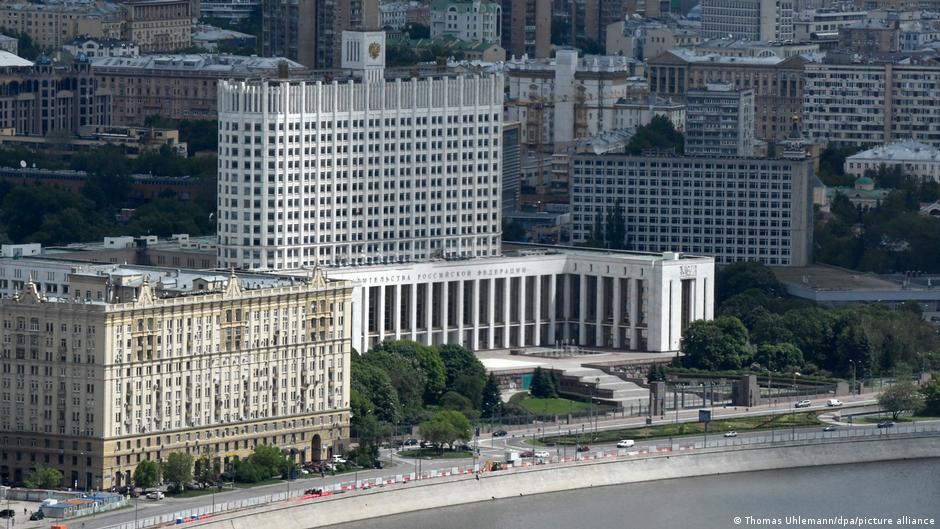
The Russian government has introduced a bill to the State Duma proposing an expansion of the categories of convicted individuals eligible to sign contracts with the Ministry of Defense during mobilization, martial law, and wartime. This legislative initiative highlights Moscow's ongoing challenges in recruiting contract soldiers amid its military operations.
Expanding Contract Eligibility to Wider Convicted Groups
The draft law, published and registered in the lower house system on July 17, suggests allowing people convicted under several additional criminal code articles to enter into military service contracts. These include convictions related to banditry, organized crime, drug trafficking, illegal migration, nuclear material offenses, cash smuggling, and loss of classified documents.
Specifically, the bill covers individuals convicted under:
- Participation in banditry (Part 2, Article 209 of the Criminal Code)
- Organized criminal community involvement (Part 2, Article 210)
- Drug trafficking contraband (Article 229.1, excluding organized group contraband under paragraph "a" Part 4)
- Illegal migration organization by groups (Part 2, Article 322.1)
- Illegal acquisition and possession of nuclear and radioactive materials (Parts 1 and 2, Article 220)
- Theft or extortion of nuclear materials (Part 1, Article 221)
- Cash smuggling (Article 200.1)
- Loss of documents containing state secrets (Article 284)
The explanatory note to the bill states that amendments will be made to Article 34 of the Federal Law "On Military Duty and Military Service" and Article 78 of the Criminal Code. Importantly, the government claims that adopting the bill will not produce negative socio-economic or financial consequences, nor impede achievement of state program goals.
Context: Recruitment Pressures and Innovative Approaches
Russia has recently deployed various measures to increase contract enlistment amid ongoing military engagements, particularly in Ukraine. In late May, President Vladimir Putin extended a debt relief law designed to incentivize new contract soldiers. Additionally, recruitment efforts have expanded beyond Russia's borders to Belarus and China, targeting vacancies described as "rear support for military operations." Reports have also emerged of military commissariats in the Penza region conducting raids to coerce men into signing contracts.
Furthermore, the Higher School of Economics (HSE) has offered to cover tuition costs for students who commit to military service contracts through its programs, specifically in units such as the "BARS" detachment and unmanned systems troops. This marks a novel approach in leveraging educational incentives to meet military personnel demands.
"The proposed legislative changes reflect the state's attempt to widen the recruitment pool amid persistent personnel shortages in the armed forces," experts note.
There is also ongoing media speculation regarding the possibility of renewed mobilization efforts. Partial mobilization was previously conducted from late September to early October 2022. In January 2023, it was clarified that the presidential decree on partial mobilization remains in effect as it governs additional military measures beyond enlistment.
Presidential spokesperson Dmitry Peskov explained that the decree continues to regulate necessary activities to ensure the armed forces' operational readiness, including the duties of military personnel.
Implications for the Russian Innovation and Defense Ecosystem
From a venture capital and tech startup perspective, these developments signal an increasingly strained defense recruitment environment that may impact Russia’s broader innovation ecosystem. As the government diverts more resources and policy focus towards military personnel acquisition, startups and technology firms involved in defense innovation could experience shifts in funding priorities and talent availability.
Moreover, the inclusion of individuals with serious criminal convictions in military roles raises questions about the operational efficiency and morale within defense-related projects, potentially influencing related mergers and acquisitions. Venture investors monitoring Russian tech sectors tied to defense and security should consider the evolving socio-political context when assessing market risks and opportunities.
In summary, the expansion of eligibility for military contracts to a broader convicted population is a strategic move to address recruitment shortfalls. However, this policy may have ripple effects across Russia's technology and defense innovation landscape.