US Threatens Strait of Hormuz Transit Fee Amid Iran Deal Uncertainty, Impacting Regional Trade Routes
US President Trump proposes charging for Strait of Hormuz passage if Iran deal fails, signaling new geopolitical risks for Middle East trade and tech supply chains.
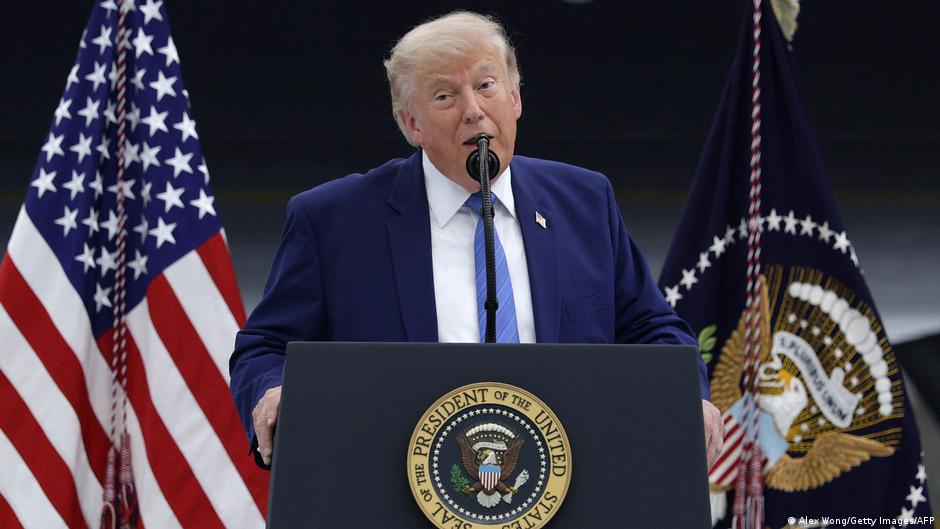
The United States has signaled a potential shift in its strategic approach to the Strait of Hormuz, a critical maritime chokepoint for global oil and trade flows, by threatening to impose a transit fee if negotiations with Iran collapse. This development, announced by President Donald Trump on social media platform Truth Social on June 20, introduces new uncertainties for the Middle East’s geopolitical landscape with significant implications for global supply chains and regional economic stability.
Potential Impact on Tech Startups and Innovation Ecosystems
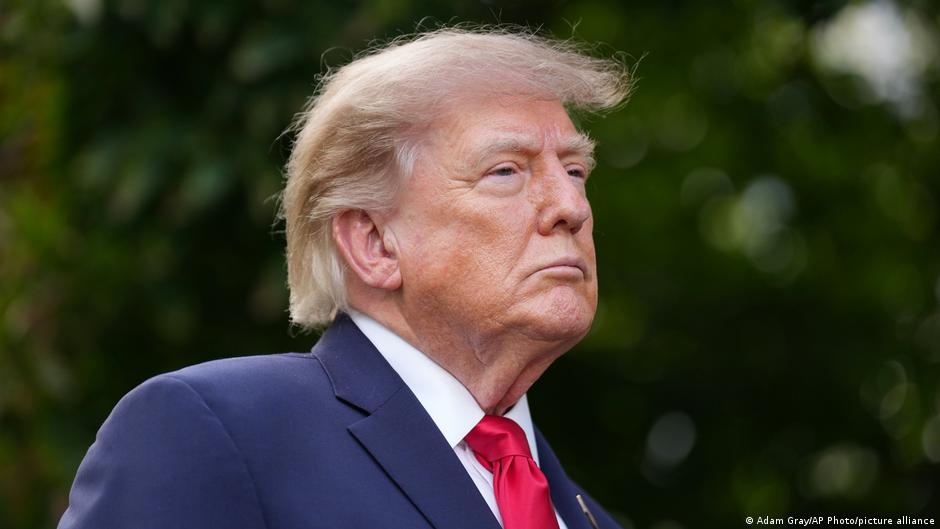
President Trump framed the transit fee as a form of compensation for US services, referring to America as the "guardian angel" of Middle Eastern countries. While the measure would not be implemented during a 60-day ceasefire agreement with Iran, it highlights the fragility of ongoing diplomatic efforts. The Strait of Hormuz itself is a pivotal artery not only for oil shipments but also for the movement of goods essential to technology manufacturing and startups throughout the region.
For venture capital firms and startups, especially those operating within Middle Eastern innovation hubs or relying on regional supply chains, the prospect of new transit fees and maritime restrictions could increase operational costs and disrupt logistics. This may compel startups to reconsider supply chain strategies or push for diversification to mitigate risks associated with geopolitical tensions.
"In case of a failed deal, charging fees for Strait of Hormuz passage would reflect growing US attempts to monetize its regional influence," noted geopolitical analysts.
Recent military and political developments underscore the tenuous situation. The US had previously lifted a blockade on the Strait as of June 18, with CENTCOM reporting record volumes of oil passing through—12.5 million barrels in one day—since the onset of the US-Israel conflict with Iran on February 28. Vice President James David Vance highlighted that Iranian forces refrained from attacking shipping for two consecutive nights, signaling a temporary de-escalation.
However, Tehran responded swiftly on June 20 by banning vessel passage through the Strait in retaliation to Israeli military strikes in southern Lebanon. Iran’s military command claimed this violated the first clause of a June 17 memorandum between Iran and the US, which aimed to cease hostilities on all fronts including Lebanon.
This move from Iran threatens to undermine the fragile ceasefire and suggests a potential resumption of hostilities that could further destabilize the region and disrupt global trade routes. Over the brief three-day period of the ceasefire, approximately 60-80 vessels reportedly transited the Strait daily, compared to about 100 vessels under normal conditions.
For investors and startups focused on Middle Eastern markets or reliant on the region’s energy exports and maritime routes, these developments raise concerns over supply chain reliability, cost volatility, and risks associated with regional instability. Venture capitalists may need to integrate geopolitical risk assessments more deeply into funding decisions, while startups might explore alternative logistics or local partnerships to adapt.
As the US weighs the implementation of fees for Strait passage, the broader tech and innovation ecosystem must navigate an increasingly complex geopolitical environment where infrastructure access and regional stability are ever more critical to sustained growth.