Venezuelan Government Releases 131 Political Prisoners Following National Reconciliation Talks
The release marks a significant step in Venezuela’s political thaw with potential implications for the country’s innovation and startup climate.
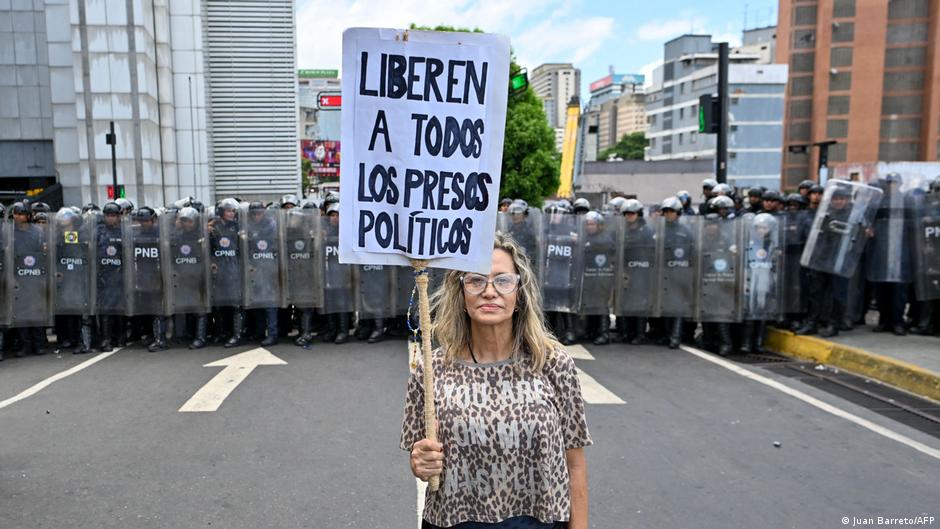
In a notable development following the first round of national reconciliation talks between Venezuela's interim government and opposition, the Venezuelan authorities have freed 131 political prisoners. This move is part of broader efforts to ease political tensions and enact judicial reforms, which could positively influence the nation’s economic and innovation ecosystem.
Political Developments and Implications for Venezuela's Innovation Ecosystem
The initial dialogue phase, concluded on August 12, saw the government agree with opposition leaders on judicial reform measures aimed at improving the rule of law. The release of these political detainees represents a concrete step towards national reconciliation and may foster a more stable environment conducive to investment and entrepreneurship.
The freed individuals were previously detained on allegations or confirmed involvement in crimes, but were subsequently assigned alternative freedom restrictions, details of which have yet to be fully disclosed by Venezuelan officials. Political figures involved in the negotiations emphasize that although not all political prisoners have been released, all deserve full freedom. Opposition delegation leader Dinora Figuera urged continued advocacy until every citizen can reunite with their families.
"Not all have been freed, but all deserve full freedom. Let us relentlessly demand this until every citizen is reunited with their family," said opposition leader Dinora Figuera.
U.S. Secretary of State Marco Rubio described the release of 131 political prisoners as an "important step toward national reconciliation." Since the beginning of the year, over 1,000 political detainees have been freed amid increasing international pressure.
The United States has played a supportive role in these negotiations, exerting pressure on Venezuela’s acting president, Delcy Rodríguez, to sign an amnesty law that facilitated the release of several hundred political prisoners prior to the dialogue’s start.
For the country’s technology startups and venture capital community, these political developments could signal a gradual opening of Venezuela’s restrictive political environment. Enhanced judicial reforms and decreased political volatility can encourage foreign and domestic investment, foster a more predictable business climate, and ultimately stimulate innovation and entrepreneurial activities. Investors often cite political stability and transparent legal frameworks as critical factors when assessing emerging markets.
While the immediate impact on Venezuela’s tech ecosystem remains to be seen, these steps toward national reconciliation could pave the way for improved investor confidence and increased startup activity in a region long challenged by political and economic instability.