Armenia’s Vote Recount Highlights Political Uncertainty Impacting Tech and Startup Ecosystem
Recount of parliamentary election votes in Armenia reveals shifts in political power amid broader implications for local venture capital and innovation climate.
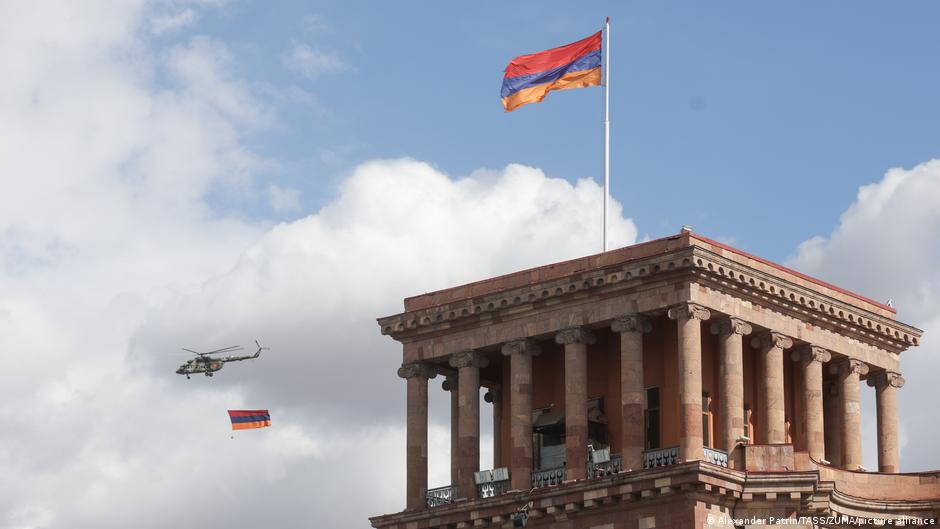
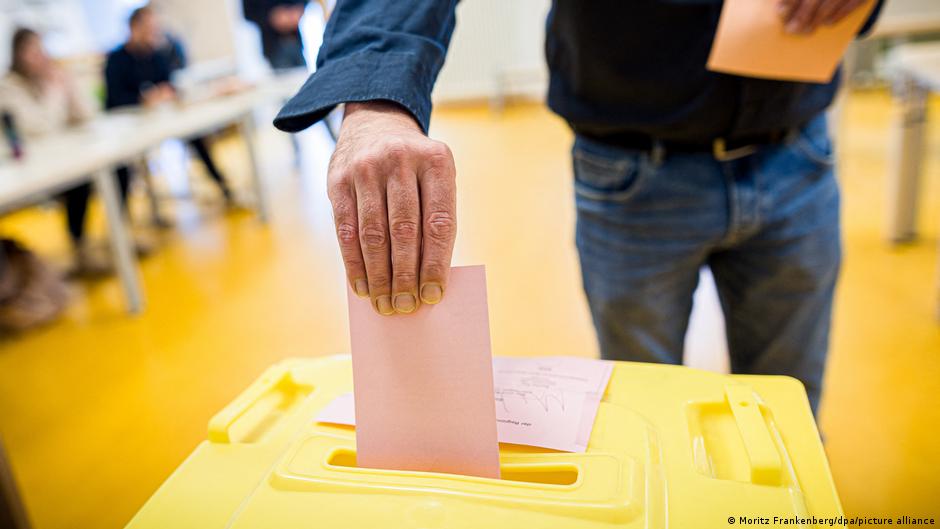
Armenia's Central Election Commission (CEC) conducted a partial recount of votes across 637 polling stations, representing about a third of all 2,005 stations used in the June 7 parliamentary elections. This recount was initiated following a request from the pro-Russian opposition bloc "Strong Armenia," led by Russian-Armenian billionaire Samvel Karapetyan.
The recount resulted in increased vote counts for all major political blocs, modifying the electoral landscape and confirming the prevailing political tension in the country. The "Strong Armenia" bloc's vote tally rose by 508 votes to a total of 340,088. Other parties also saw adjustments: Prosperous Armenia gained 147 votes (58,378 total), the ruling Civil Contract party led by Prime Minister Nikol Pashinyan increased by 1,148 votes (727,820 total), and the opposition "Armenia" bloc, headed by former president Robert Kocharyan, rose by 217 votes (145,113 total).
Political Uncertainty and Its Ripple Effects on Armenia's Tech Startups and Investment Climate
The post-election period, marked by contested results and recounts, underscores a climate of political uncertainty that may impact Armenia’s burgeoning tech startup ecosystem and the growing venture capital interest in the region. The country has sought to position itself as a regional innovation hub, attracting investments and fostering startups in technology and digital services.
"The political developments following the election, including challenges and recounts, create an environment of unpredictability that can affect investor confidence and startup growth trajectories."
Samvel Karapetyan, who leads the "Strong Armenia" bloc, has been detained under house arrest since last year on charges related to an alleged coup attempt, which he denies as politically motivated. This high-profile status of opposition leaders adds to the political complexity, potentially influencing foreign and domestic investment decisions.
With the ruling party securing just under 50% of the vote, the election results reflect a divided electorate and a competitive political field. These dynamics are critical to monitor as they directly affect governance stability, regulatory frameworks, and the overall environment for innovation.
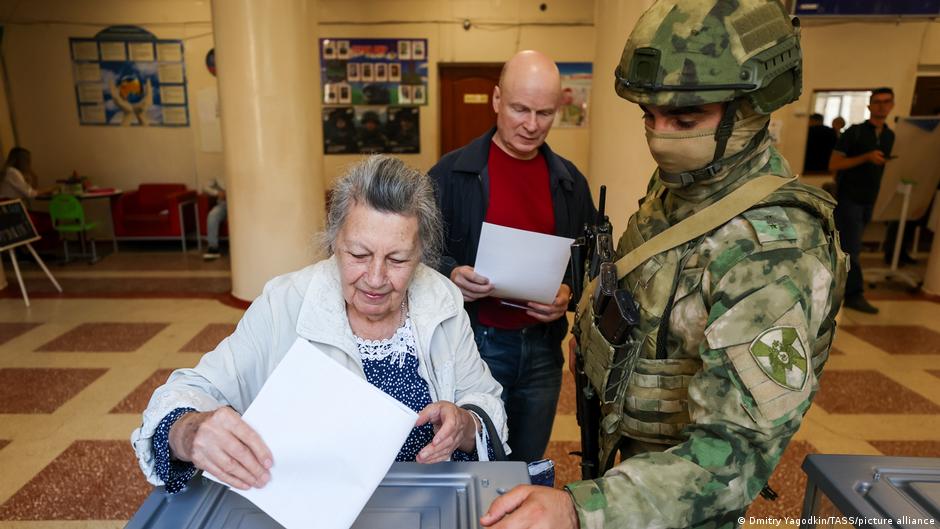
The Armenian government has also been investigating multiple cases of alleged electoral violations, including reports of multiple voting and other irregularities, with several individuals detained. Such legal and political disputes could further extend the period of uncertainty.
For startups and venture capital firms operating or considering entry into Armenia, political stability is a key factor. The recount and ensuing political debates might delay legislative reforms and economic policies aimed at supporting technology entrepreneurship and investment incentives.
Nevertheless, voter turnout increased to nearly 59%, indicating strong civic engagement which may, over time, translate into robust democratic institutions conducive to sustainable economic growth.
Observers suggest that while the ruling party remains dominant, the opposition’s persistent challenge signals a more contested political landscape. This will require startups and investors to stay agile and informed as policy and regulatory conditions evolve in the coming months.