German Transport Minister Patrick Schnieder Resigns Amid Government Reshuffle
Patrick Schnieder steps down as Germany’s Transport Minister, with Steffen Bilger nominated as his successor amid internal party tensions.
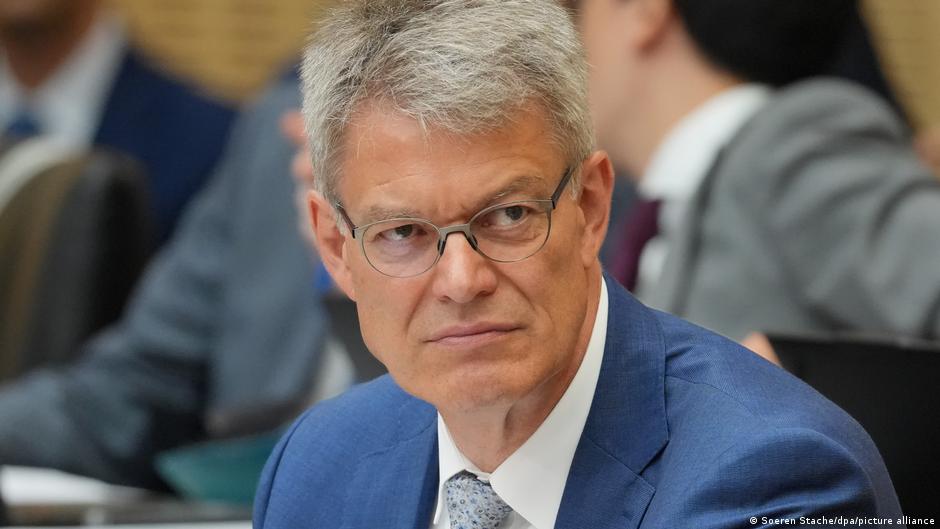
Patrick Schnieder, Germany’s Federal Minister of Transport, has announced his resignation, citing an untenable working environment and recent political developments as key reasons for his departure. The move comes amid a notable reshuffle within Chancellor Friedrich Merz’s government and has significant implications for the German transport sector and its related innovation ecosystem.
Leadership Transition and Political Context
On July 26, Schnieder declared his intention to formally request the Chancellor to propose his release from ministerial duties to the President. "I take this step in light of the events of recent days and to bring an end to a situation that undermines necessary effective work," Schnieder told news agencies.
Chancellor Friedrich Merz has announced plans to nominate Steffen Bilger, Secretary of the CDU/CSU parliamentary group, as the new Minister of Transport. This appointment follows a sudden vacancy caused by Schnieder’s resignation and an earlier withdrawal by Fritz Güntzler, who had initially agreed to take the post but subsequently declined.
Reports from within the Christian Democratic Union (CDU) indicate dissatisfaction with Chancellor Merz’s handling of Schnieder’s dismissal, reflecting broader tensions within the party. The reshuffle is viewed as part of a chain reaction following the resignation of CDU leader Jens Spahn, signaling potential shifts in the party’s strategic direction.
Implications for Tech Startups and the Innovation Ecosystem
"The Ministry of Transport faces critical and far-reaching decisions, especially concerning Deutsche Bahn, that cannot be delayed," Schnieder emphasized.
The Ministry of Transport is central to Germany’s infrastructure modernization, including initiatives around Deutsche Bahn, the national railway company. These initiatives hold significant potential for innovation and technological advancements in transportation, affecting numerous startups and venture capital investments in sectors such as intelligent mobility, sustainable transport, and digital infrastructure.
Rapid and decisive leadership is essential to maintain momentum on these projects, which are vital for fostering a competitive environment for tech-driven transportation startups. Delays or instability in ministerial leadership could slow regulatory reforms and funding allocations that are critical for venture capital confidence and startup growth.
Moreover, the transport ministry’s strategic decisions directly impact Germany’s broader innovation ecosystem, influencing public-private partnerships, M&A activity, and investment flows in emerging mobility technologies. The appointment of Steffen Bilger, a seasoned political figure within CDU/CSU, may indicate a focus on stability and continuity to reassure stakeholders in the tech and venture capital communities.
As Germany pursues its ambitious goals for sustainable and digital transport infrastructure, the evolving political landscape poses both risks and opportunities for startups and investors navigating regulatory and market uncertainties.