Austria Plans to Extend Mandatory Military Service Amid Rising Security Concerns
The government proposes lengthening conscription to nine months and enhancing training, impacting labor and innovation ecosystems.
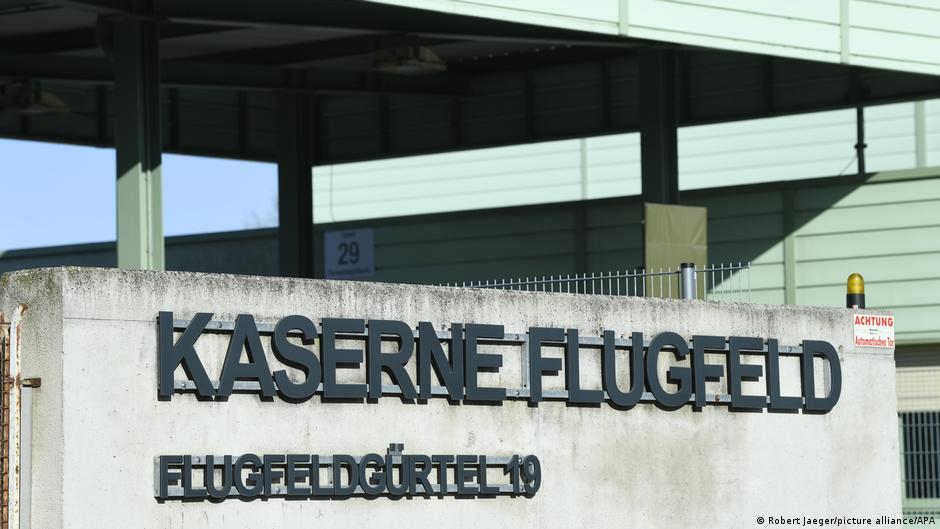
Austria is set to extend the duration of its mandatory military service from six to nine months, a move prompted by evolving security challenges in Europe. The government coalition, comprising the conservative Austrian People's Party (ÖVP), the Social Democratic Party (SPÖ), and the liberal Neos party, has agreed on reform measures that include expanded field exercises and improved compensation for conscripts.
Implications for the Workforce and Tech Innovation
The proposed reforms, which still require parliamentary approval, introduce mandatory field exercises following basic training and allow militia exercises to be undertaken anytime within a ten-year window. The government aims to make military service more attractive by increasing monthly pay to approximately €1,000 and offering paid leave days.
"It is not enough to simply acquire new equipment if our soldiers do not have sufficient practical experience handling it during emergencies," emphasized Chancellor Christian Schallenberg.
This extension of service and enhanced training requirements could have ripple effects on Austria's labor market, particularly impacting young adults who form the core demographic of the country’s startup and tech sectors. Extended conscription may delay entry into the workforce and reduce the pool of available talent for emerging technology companies during critical growth phases.
Austria’s tech ecosystem, which depends heavily on skilled and timely human capital, might experience challenges in scaling operations if key personnel spend additional months in military training. Venture capital firms and startup accelerators will likely need to adjust expectations and timelines for team availability and product development schedules.
Security Context and National Defense Strategy
The security rationale driving these reforms is rooted in the heightened geopolitical tensions following Russia’s aggression in Ukraine. Austria, maintaining its status as a neutral country outside NATO, faces emergent threats not only from conventional military risks but also from cyber and hybrid attacks targeting critical infrastructure.
The government's phased approach includes a transition to mandatory extensions of civil service from 2028 if recruitment targets are unmet. This underscores a broader strategic push to strengthen Austria’s national defense capabilities through increased manpower readiness and operational resilience.
These reforms are scheduled to take effect on January 1, 2027, pending parliamentary approval, for which the coalition seeks support from the Freedom Party (FPÖ) and the Greens to secure the necessary two-thirds majority.
Overall, Austria’s move to bolster its military service framework reflects a balancing act between national security imperatives and the needs of a dynamic innovation ecosystem. Policymakers and industry stakeholders will need to collaborate closely to mitigate potential disruptions to talent availability in the technology sector while supporting the country’s defense readiness.