Germany Identifies 410 Islamist Threats Amid Rising Concerns for Security and Radicalization
Federal authorities classify 410 individuals as Islamist threats, highlighting challenges for public safety and social stability in Germany.
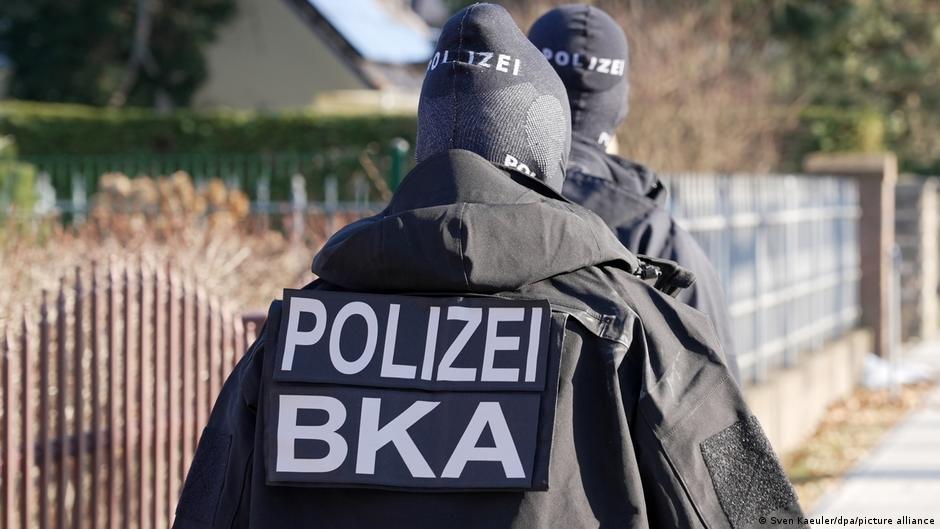
Germany's Federal Criminal Police Office (Bundeskriminalamt, BKA) reported that as of July 1, 2026, 410 individuals have been classified as threats due to Islamist activities. This figure underscores ongoing concerns about radicalization and its implications for public security.
Impact on Public Safety and Social Cohesion
The classification includes persons considered capable of committing serious violent crimes, including terrorist attacks. In addition to Islamist threats, 65 individuals were categorized as potential right-wing extremists and 17 as potential left-wing extremists.
The designation of these individuals is a responsibility shared with Germany’s federal states, where each case is assessed individually, reflecting a fluctuating number of persons considered threats along with their supporters.
"Reasons for inclusion or removal from the list are diverse and examined on a case-by-case basis," a BKA representative noted.
Meanwhile, the Federal Office for Migration and Refugees' (BAMF) Radicalization Consultation Center in Nuremberg registered 165 consultation requests in the first half of 2026. These inquiries indicate continued public concern and awareness regarding Islamist radicalization, with demand for guidance remaining high and comparable to 2023 levels.
In 2025, over half of these requests came from official institutions such as schools, while nearly 43% originated from families of individuals suspected of radicalization. Parents were the largest group seeking consultations. The average age of those potentially radicalized was just under 19 years, highlighting the vulnerability of youth.
Significantly, the terrorist attack by the Palestinian Islamist group Hamas on Israel in October 2023 marked a turning point, intensifying societal sensitivity to radicalization and increasing consultation demand.
Security Concerns and Case Study: The Berlin LGBT Parade Attack
One urgent case handled by regional branches such as the Violence Prevention Network (VPN) involved Abdul B., a German citizen of Lebanese descent, who was suspected of Islamist links and recently freed after detention on terrorism preparation charges. In July 2026, he carried out a vehicle attack during the Berlin LGBT parade, resulting in multiple injuries and one fatality.
Abdul B.'s background includes detention in a juvenile correctional facility on suspicion of planning a terrorist act and an attempt to travel to Syria to join ISIS. His release raised concerns about the adequacy of monitoring individuals deemed high-risk.
"Releasing someone with this level of potential threat cannot mean the state ceases to pay attention," Dirk Peglow, head of the German Criminal Police Union, stated, urging early and continued deradicalization efforts.
Following the incident, Interior Minister Alexander Dobrindt confirmed it was an Islamist terrorist attack, and regional officials criticized court decisions that previously imposed suspended sentences on high-risk individuals like Abdul B.
This situation has sparked debate on the balance between judicial leniency and public safety, emphasizing the challenges in managing Islamist radicalization within Germany's legal and security frameworks.
Implications for the Innovation and Tech Ecosystem
The persistent threat of radicalization and violent extremism indirectly impacts Germany's tech startups and venture capital landscape by influencing public policy priorities and government resource allocation. Heightened security concerns may lead to increased regulatory scrutiny and funding shifts, potentially affecting innovation hubs and startup ecosystems, especially in urban centers like Berlin.
Moreover, the involvement of young adults in radicalization underscores the need for inclusive social programs and early intervention strategies, which can be supported by tech-driven solutions such as AI-based risk assessment tools and digital deradicalization platforms. Venture capitalists interested in social impact may find emerging opportunities in startups targeting these challenges.
As Germany navigates the complexities of radicalization threats, the intersection of security policy and technological innovation will play a crucial role in shaping resilient communities and fostering a stable environment conducive to startup growth and investment.