BBC Announces 10% Workforce Reduction as It Accelerates Digital Transition Amid Media Industry Disruption
BBC plans to cut up to 2,000 jobs over two years to streamline operations and focus on digital platforms in response to financial pressures.
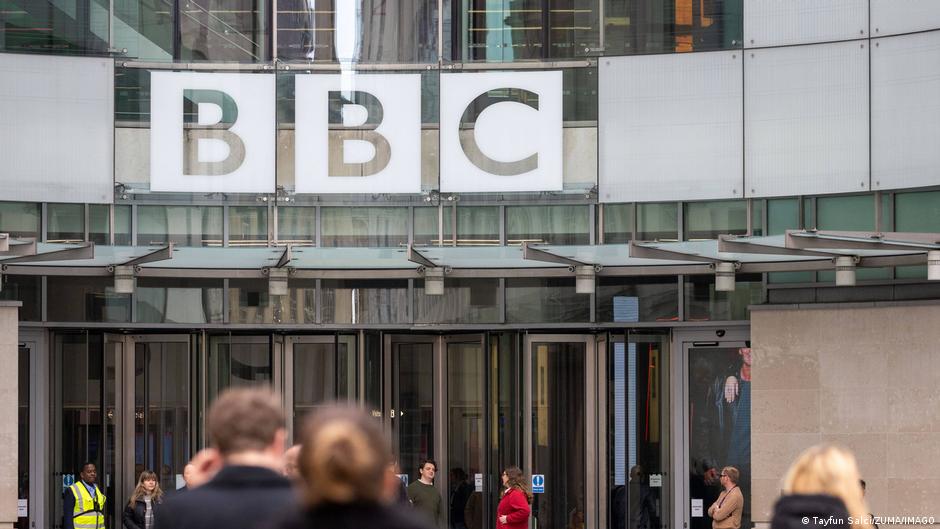
The British Broadcasting Corporation (BBC), a cornerstone of the UK media landscape, is preparing to reduce its workforce by approximately 10% over the next two years. This move—expected to cut between 1,800 and 2,000 jobs—reflects significant structural changes and financial challenges faced by traditional media organizations in an evolving digital era.
Economic Pressures and Strategic Pivot
BBC Director-General Rhodri Talfan Davies confirmed the broadcaster is under "substantial financial pressure," necessitating operational cost reductions of around £500 million (roughly €575 million). Most of these savings are anticipated in the 2027-2028 fiscal years. Historically one of the most stable publicly funded broadcasters, the BBC is now navigating a challenging environment marked by an ongoing decline in revenue from its television license fee—down 24% since 2017.
“The BBC must adapt to a rapidly changing media environment marked by technological innovation and shifting consumer habits,” stated Davies.
These financial strains are compounded by intensifying competition from global streaming giants and online platforms offering on-demand, subscription-based content, which have transformed audience expectations. The BBC’s traditional revenue model, reliant on household license fees, faces structural vulnerabilities as younger demographics increasingly move away from conventional broadcast consumption.
Implications for the Innovation Ecosystem and Tech Startups
Beyond cost-cutting, the BBC is embarking on a strategic overhaul aimed at accelerating its digital transformation. This includes prioritizing investments in its streaming service, iPlayer, and developing news apps optimized for digital consumption. The broadcaster plans to scale back certain legacy television and radio channels to allocate more resources toward these new formats.
For the UK’s innovation ecosystem, the BBC’s shift signals both challenges and opportunities. The downsizing of traditional media roles may reduce legacy production capacities, but the emphasis on digital platforms opens new avenues for tech startups specializing in streaming technology, content delivery, and AI-driven personalization.
Venture capital interest in media tech and digital content innovation could see a boost as the BBC and other legacy institutions seek partnerships or acquisitions to accelerate their transformation. The broadcaster’s pivot also underscores the growing importance of agile, tech-enabled media ventures capable of meeting modern consumer demands.
However, the workforce reduction raises concerns about talent displacement within media production. The skills required are shifting towards software engineering, data analytics, UX/UI design, and AI integration—fields where startups and scaleups are actively innovating.
As a public service entity, the BBC’s experience exemplifies broader trends in media funding and technology adoption. Its journey may provide valuable insights for other public broadcasters and legacy content providers worldwide on managing digital disruption, balancing innovation with fiscal responsibility, and fostering partnerships with technology startups.
Ultimately, the BBC’s planned job cuts and strategic digital focus reveal the complex interplay between evolving consumer behavior, technological advancements, and economic constraints in the media sector. The corporation’s success or failure in this transition will be closely watched by investors, entrepreneurs, and policymakers interested in the future of media innovation.