US Treasury Expands Sanctions on Cuban Leadership Amid Heightened Political Tensions
New measures target Cuban President Diaz-Canel and family of former leader Raul Castro, intensifying pressure on Cuba’s governance and economy.
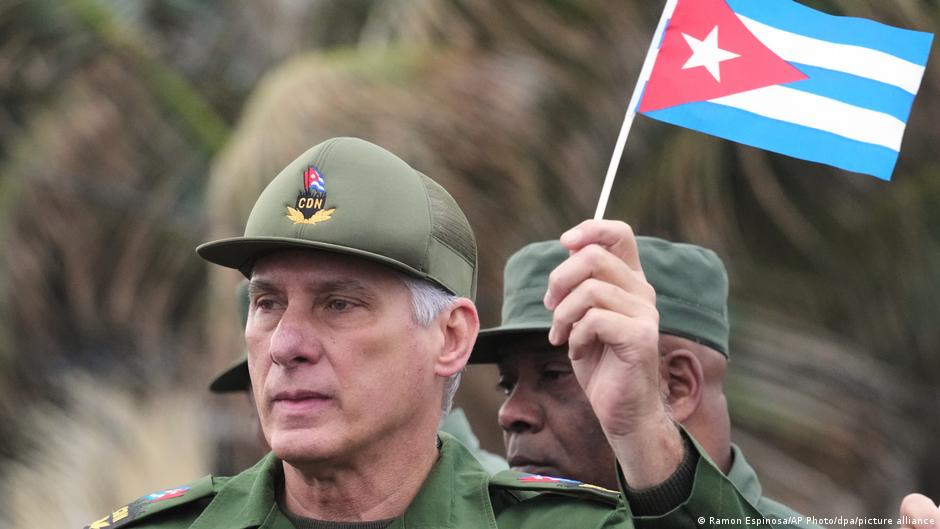
The United States has escalated its economic pressure on Cuba by imposing new sanctions on President Miguel Diaz-Canel and members of former leader Raul Castro’s family. This move reflects ongoing tensions between Washington and Havana that have persisted for several months.
Impact of Sanctions on Cuban Political and Economic Landscape
On June 4, the US Treasury Department announced sanctions against not only President Diaz-Canel but also his wife and stepson, as well as Raul Castro’s son and one of his grandsons. These sanctions supplement those enacted last July by the US State Department against President Diaz-Canel. Raul Castro, the 95-year-old brother of revolutionary leader Fidel Castro, no longer holds official government positions but remains influential in Cuba’s political decision-making.
Last month, the US government accused Raul Castro of involvement in the destruction of two civilian aircraft in 1996, an attack that resulted in four fatalities. The fresh sanctions are part of a broader US strategy to increase pressure on the Cuban government, which the Cuban authorities characterize as provocations aimed at justifying possible military action.
"US efforts to tighten economic restrictions risk deepening Cuba’s crisis and destabilizing its political environment," analysts warn.
Cuba has been under a US economic embargo since 1962. Currently, the island faces its most severe economic crisis since the Soviet Union’s collapse, suffering from persistent electricity shortages and fuel deficits. The recent US-led halt of Venezuelan oil deliveries—Cuba’s primary source of fuel—after the detainment of Venezuelan President Nicolas Maduro by US forces has further aggravated the situation.
These developments have significant implications for the Cuban innovation ecosystem and startup environment. Prolonged economic hardship and political instability can restrict access to foreign venture capital and limit opportunities for technology startups to expand or attract investment. Additionally, the sanctions’ targeting of senior political figures signals a potential tightening of US policy that could deter international partnerships and mergers involving Cuban tech enterprises.
As US-Cuba relations continue to deteriorate, the Cuban tech sector faces an uncertain future, potentially complicating efforts to foster innovation and attract venture funding in a challenging geopolitical climate.