U.S. House Approves New Sanctions on Russia and Aid Package for Ukraine Amid Geopolitical Tensions
The U.S. House passed legislation expanding sanctions on Russia and providing military aid to Ukraine, pending Senate approval and potential presidential veto.
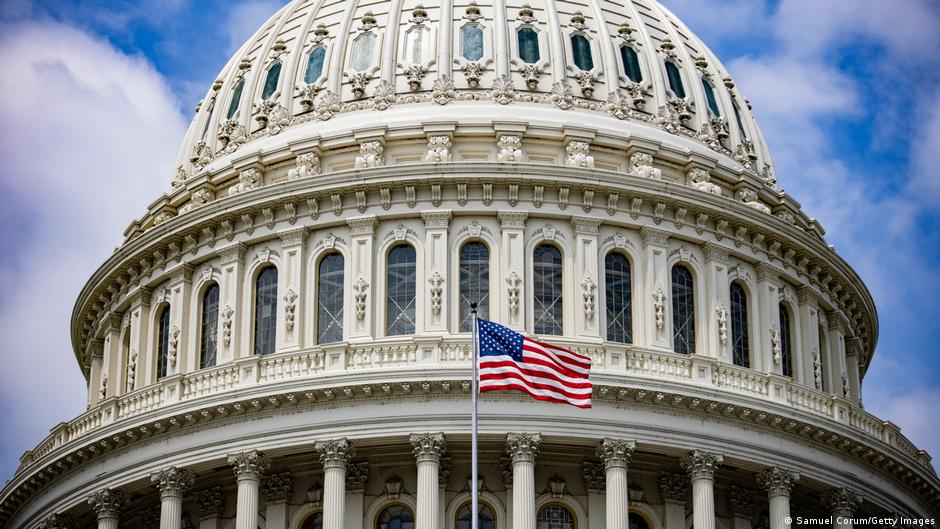
The U.S. House of Representatives has approved a significant legislative package aimed at bolstering support for Ukraine and intensifying sanctions against Russia. The bill, passed on June 5 with a vote of 226 to 195, outlines expanded military assistance and enhanced economic restrictions on Russia, signaling sustained bipartisan commitment within the U.S. government. However, the measure still requires Senate approval before becoming law, and faces potential challenges including a presidential veto.
Implications for the Defense and Technology Sectors
The bill includes the establishment of a dedicated fund for Ukraine's reconstruction efforts, alongside provisions allowing the U.S. President to transfer defense equipment to Ukraine and Eastern European allies under credit or lease arrangements. Notably, the Pentagon is authorized through 2027 to provide Ukraine with intelligence support, while the State Department is tasked with strengthening military and border security capabilities in the Baltic countries.
For the tech and defense startup ecosystems, this legislation creates avenues for increased demand in innovation related to military hardware, surveillance, and cybersecurity technologies. Companies developing advanced defense solutions may find expanded opportunities through government contracts and partnerships. The authorization for intelligence support amplifies the need for cutting-edge data analysis, secure communications, and reconnaissance technology, potentially accelerating investment and venture capital interest in these areas.
"This legislative package represents a critical step in maintaining bipartisan support for Ukraine and increasing pressure on Russia," said a policy analyst familiar with the bill. "The extended Pentagon authority and enhanced sanctions mechanisms could drive innovation and funding in defense tech startups and related sectors."
The sanctions framework grants the President expanded powers to impose additional restrictions, freeze assets of Russian individuals and entities, and enforce new export controls and tariffs. These measures aim to constrict Russia’s economic capacity to sustain its military operations. For startups and ventures engaged in exportable technologies, especially dual-use or sensitive technologies, compliance and regulatory navigation will become increasingly complex, impacting go-to-market strategies and international partnerships.
Enhanced collaboration with European allies also features prominently, focusing on supplying arms, training Ukrainian forces, and coordinating intelligence sharing. This transatlantic cooperation may foster cross-border startup partnerships, joint ventures, and innovation clusters centered around defense and security tech.
Despite the House approval, the bill’s progression through the Senate remains uncertain, hinging on the balance of power between Democrats and Republicans. Some Republican lawmakers advocate reducing foreign aid allocations, potentially altering the final package. Furthermore, a prospective presidential veto by Donald Trump, expected if he returns to office in 2025, could dramatically reshape U.S. support for Ukraine and the sanctions regime.
For venture capitalists and innovators monitoring geopolitical risks, these developments underscore the intricate interplay between international policy and the technology investment landscape. The potential for expanded military aid and sanctions enforcement suggests elevated government spending in key tech sectors, yet political uncertainties require careful strategic planning.
As the Senate debates the bill, startups and investors will be closely watching for signals on future funding flows, regulatory changes, and market opportunities linked to defense and security innovation.