U.S. House Passes Resolution Limiting War Powers Against Iran, Impacting Tech Investment Climate
The U.S. House of Representatives approved a resolution restricting presidential military action against Iran without Congressional consent, signaling potential shifts in geopolitical risk affecting startups and venture capital.
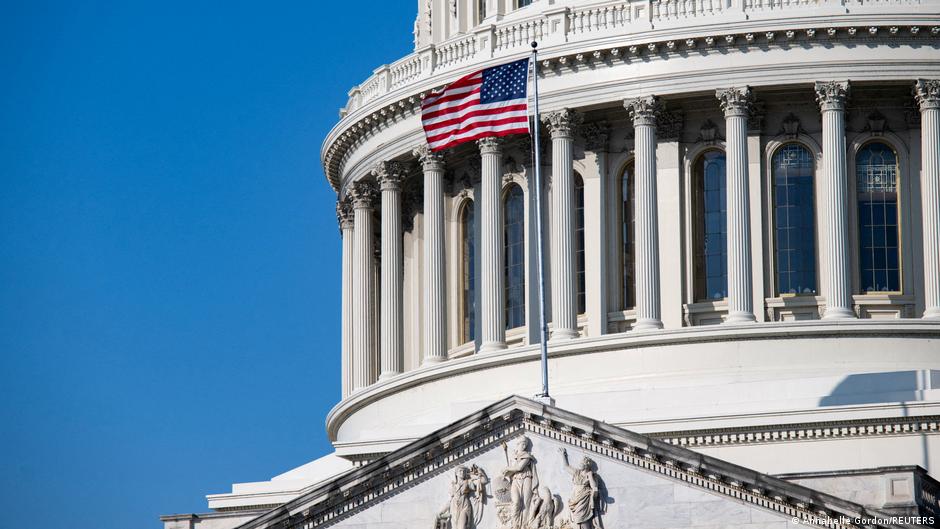
The U.S. House of Representatives has taken a historic step by passing a resolution that prohibits President Donald Trump from continuing military operations against Iran without explicit Congressional approval. This legislative move reflects growing bipartisan concerns about unchecked executive military authority and introduces new uncertainties for the innovation ecosystem, particularly tech startups reliant on geopolitical stability.
Congressional Check on Executive War Powers and its Implications
On June 3, the House approved the resolution with 215 votes in favor and 208 against, marking the first time the lower chamber has opposed the White House’s approach to the Iran conflict. Notably, the measure received support from a handful of Republicans alongside Democrats, illustrating eroding unanimity within President Trump’s party on the matter.
"The war with Iran is losing support even among Trump’s own Republican colleagues," analysts observed following the vote.
This resolution aims to enforce the War Powers Act of 1973, which limits the President to 60 days of military action without Congressional consent. Although President Trump notified Congress on May 1, 2026, that military operations had concluded, hostilities have persisted with incidents such as missile and drone attacks by Iran’s Revolutionary Guard targeting U.S. bases in Kuwait and Bahrain. U.S. forces responded with strikes on Iranian military sites, maintaining an ongoing conflict environment.
Earlier, the Senate narrowly voted 50-47 in favor of a similar measure requiring Congressional authorization for military action against Iran, though its full passage remains uncertain due to missed votes and historical Republican opposition.
While the resolution is likely to face a presidential veto, its passage in the House signals increased legislative scrutiny and potential constraints on unilateral military interventions.
Impact on Tech Startups and Venture Capital Funding
Geopolitical tensions such as the conflict with Iran directly influence the U.S. innovation ecosystem. Heightened risk of military escalation can dampen investor confidence and slow venture capital inflows, particularly for startups operating in sectors sensitive to global supply chains, cybersecurity, and international markets.
Moreover, congressional efforts to limit executive war powers may lead to a more stable geopolitical environment in the medium term, potentially reassuring investors and enabling startups to plan with reduced uncertainty.
As startups increasingly operate on global scales, including partnerships and markets in the Middle East, the resolution’s implications extend beyond politics into venture capital dynamics and M&A activity. Firms specializing in defense tech, satellite communications, and autonomous systems may especially monitor these developments closely.
In conclusion, the House resolution marks a significant moment in the U.S. political landscape with cascading effects on the tech startup and venture capital sectors, highlighting the interconnectedness of geopolitical stability and innovation funding.