Central Bank Maintains Key Interest Rate Amid Inflation and External Risks Impacting Uzbekistan's Economy
Uzbekistan’s central bank holds the key rate at 14% to balance inflation pressures and economic growth amid external uncertainties.
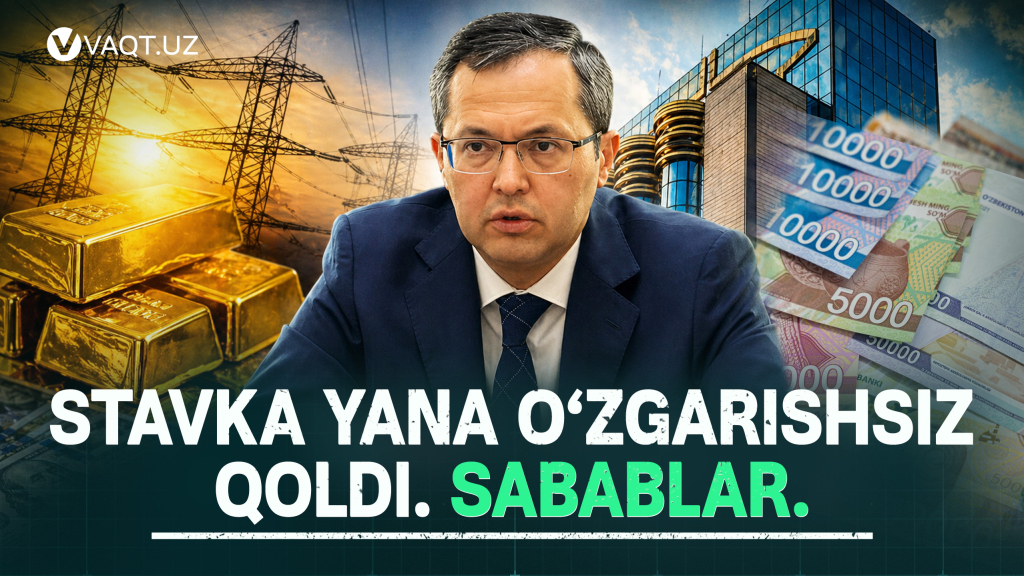
On April 29, Uzbekistan's Central Bank decided to keep its key interest rate steady at an annual 14 percent, reflecting a cautious stance amid mixed economic signals. Despite a general decline in inflation, persistent food price rises and external economic challenges have influenced the decision, signaling continued vigilance in monetary policy.
Balancing Inflation and Growth Pressures
The Central Bank's governing body analyzed current economic conditions, inflation trends, and external risks before concluding that the existing rate remains appropriate. Official data showed that the annual inflation rate decreased to 7.1 percent in March 2024, accompanied by a reduction in inflation expectations, which is a positive development for the economic environment.
However, the bank highlighted a key concern: food prices continue to rise rapidly, significantly affecting essential goods for the population. This persistent inflation in vital segments limits the room for lowering interest rates, as premature easing could fuel further price increases.
“Although inflation has been declining, the pace of reduction has slowed, and some sectors show no improvement, justifying the decision to maintain the current interest rate,” said Central Bank Chairman Temur Ishmetov.
Energy tariffs and utility prices play an important role in inflation calculations. Early in 2024, tariff indexation up to 10 percent was announced, factored into inflation forecasts, although exact adjustments remain under review.
External Risks and Economic Growth
Global economic conditions also weigh heavily on Uzbekistan’s monetary policy. The International Monetary Fund recently downgraded global growth forecasts and warned of ongoing inflation risks, particularly related to fluctuating energy and food prices. These factors could transmit volatility to domestic markets.
Domestically, Uzbekistan’s economy expanded by 8.7 percent in the first quarter of 2024, surpassing expectations. While this robust growth strengthens internal demand, it may simultaneously increase inflationary pressures, complicating policy decisions.
The Central Bank is also observing developments in the privatization process of state-owned banks, including Sanoatqurilishbank, Aloqabank, and Asakabank. Although not directly involved, the bank participates in evaluation and analysis activities linked to these reforms.
Regarding foreign exchange policy, the regulator reaffirmed its commitment to a free-floating exchange rate regime, avoiding artificial interventions to maintain market stability.
Looking ahead, the Central Bank emphasized that inflation trends and external risks will be decisive in future monetary policy adjustments. Should inflationary pressures ease, a rate reduction is possible. Conversely, persistent risks may necessitate tighter credit policies.
This measured approach underscores the Central Bank’s role in ensuring a stable economic environment for Uzbekistan’s growing market, particularly critical for technology startups and venture capital investors seeking predictable financial conditions amid ongoing global uncertainties.