Uzbekistan’s Gold Exports Halted for Six Months, Impacting Trade and Investment Dynamics
A sharp decline in gold exports has led to a nearly 30% drop in Uzbekistan’s export volume, influencing the country’s external trade and investment landscape.
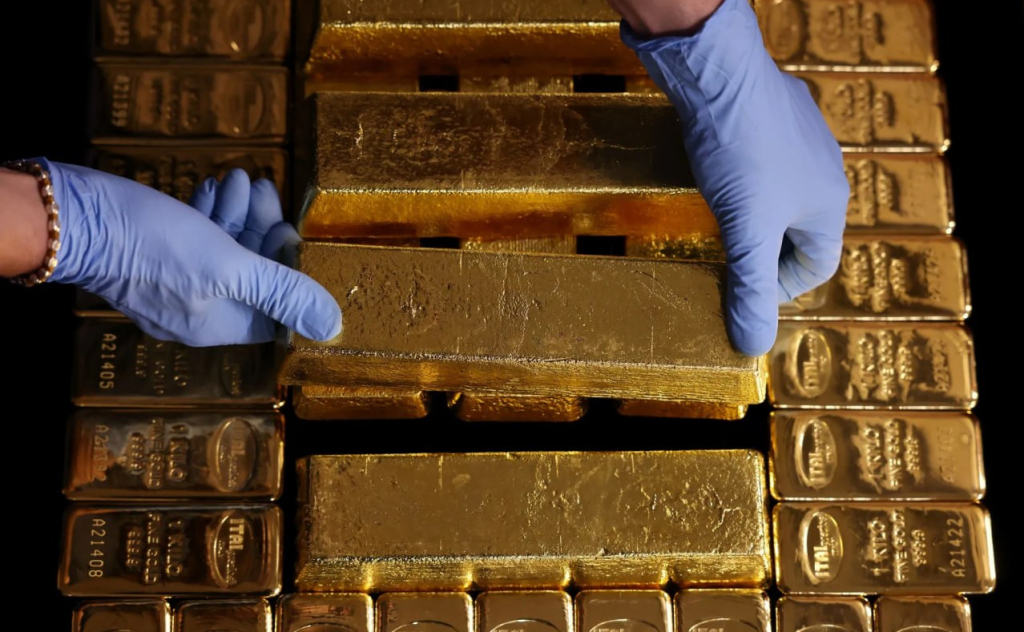
Uzbekistan has not exported any gold for half a year, a development that has driven a nearly 30% decline in its export volume—the first such occurrence since 2023. This shift carries significant implications for the country’s trade balance, venture capital inflows, and the broader innovation ecosystem.
Trade Dynamics Reflect Shifts in Commodity Exports
In the first quarter of 2026, Uzbekistan’s external trade turnover reached $18 billion, marking a modest 2.7% increase compared to the same period in 2025. However, despite this overall growth, exports tumbled by 29.3% to $5.8 billion, while imports surged by 30.8% to $12.2 billion.
The halt in gold exports is a primary factor behind this export contraction. Gold, previously a significant export commodity, saw no shipments in March 2026. The last export of gold occurred in September 2025, with $3.6 billion worth sold in Q1 2025 alone. The steep drop in gold export activity has thus contributed materially to the current imbalance.
Gold prices during March also declined sharply, falling from around $5,300 per ounce to nearly $4,400, reducing the commercial attractiveness of gold sales. The Central Bank of Uzbekistan has indicated that maintaining robust gold reserves is a strategic priority and explained that the cessation of sales is linked to efforts to preserve these reserves at high levels.
"The Central Bank emphasized the importance of sustaining high gold reserves, linking the suspension of exports to strategic reserve management amid fluctuating gold prices."
Geopolitical and Investment Implications
China continues to strengthen its position as Uzbekistan’s leading trade partner, accounting for $4.6 billion—approximately one-quarter of the country’s external trade during the quarter. Russia and Kazakhstan follow at $3.3 billion and $1.3 billion, respectively. Trade with Uzbekistan’s top 20 partners has overall increased compared to 2025, indicating a diversification and strengthening of regional economic ties.
This evolving trade landscape has profound implications for venture capital and startup ecosystems in Uzbekistan. The decline in gold exports, a major revenue source, could constrain liquidity and reduce funds available for investment in technology startups and innovative ventures. Conversely, increased import volumes and expanding trade partnerships may stimulate demand for advanced technologies, supply chain innovations, and fintech solutions to streamline cross-border transactions.
Economic shifts driven by commodity export declines often catalyze startups focused on efficiency, alternative financing, and localized production. Venture capitalists observing these trends might adjust their investment theses, favoring sectors resilient to export volatility or those that can capitalize on the evolving regional trade dynamics.
Moreover, the Central Bank’s cautious approach to gold reserves underscores a broader strategic shift that could affect foreign direct investment policies and M&A activity. Investors and entrepreneurs will need to monitor these regulatory and economic developments to navigate the changing landscape effectively.
Looking Ahead: Opportunities and Challenges for Uzbekistan’s Innovation Ecosystem
Uzbekistan’s temporary cessation of gold exports signals both challenges and opportunities within its economic development trajectory. While the immediate impact includes lower export revenues and potential macroeconomic adjustments, the situation may prompt a diversification of the economy and increased emphasis on technological innovation.
Startups in sectors such as renewable energy, digital finance, and supply chain technologies stand to benefit from these shifts. Venture capital investors focusing on Central Asia should consider Uzbekistan’s evolving trade patterns and regulatory environment to identify promising ventures aligned with the region’s long-term growth strategies.
In summary, the suspension of gold exports in Uzbekistan not only affects the country’s trade metrics but also reverberates through its investment climate and innovation ecosystem, presenting a complex but potentially fertile environment for venture capital and startup growth.