CIA Director Highlights Impact of AI-Driven Drone Warfare on Russian Soldier Fatalities in Ukraine
CIA Director John Ratcliffe reveals that AI-powered drones are drastically shortening Russian recruit survival times, reshaping military dynamics and innovation in conflict zones.
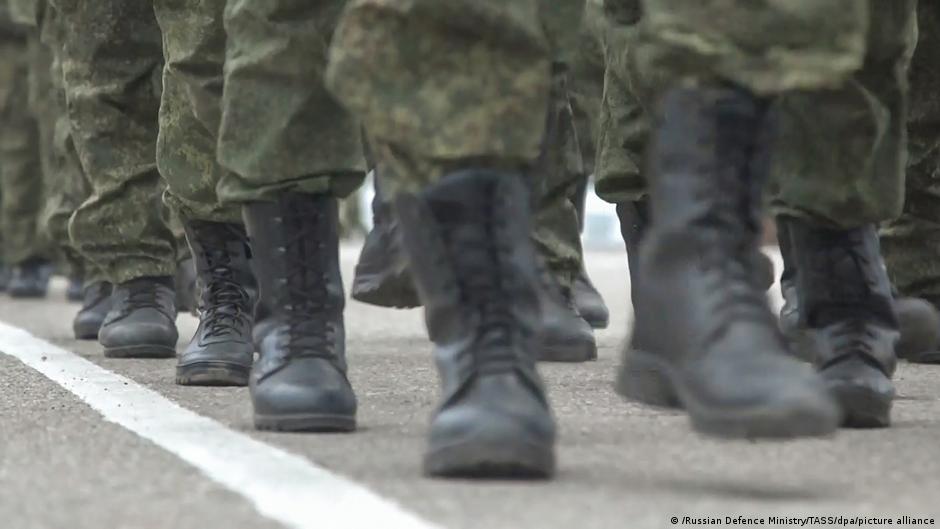
John Ratcliffe, Director of the Central Intelligence Agency (CIA), stated at a Defense and Innovation Summit in Pennsylvania that the average lifespan of a newly deployed Russian soldier in Ukraine is only 20 to 30 minutes. This alarming statistic underscores the transformative impact of artificial intelligence (AI)-enabled drones on modern warfare.
AI-Powered Drones Shift Battlefield Dynamics
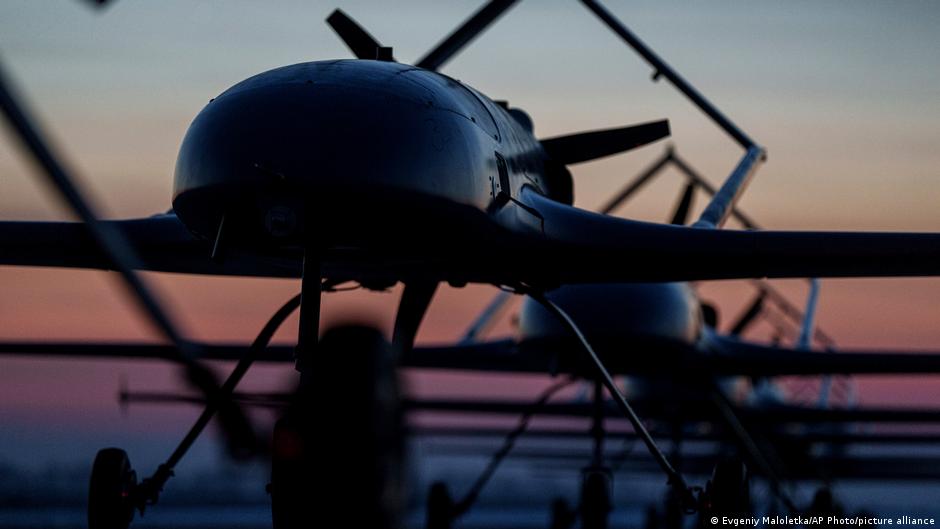
Ratcliffe emphasized that the integration of AI into drone technology has turned these unmanned systems into highly efficient and cost-effective killing machines. This evolution has made it increasingly difficult for Russian recruits to survive upon arriving at the front lines, fundamentally altering the nature of combat.
“Drones with artificial intelligence have become specialized and affordable machines of death,” Ratcliffe noted, highlighting the technological edge gained by Ukrainian forces.
The rapid adoption and deployment of these advanced technologies by Ukraine have been instrumental in leveling the playing field against the numerically superior Russian army. According to Ratcliffe, this technological innovation has significantly slowed the Russian military’s advance.
Consequences for Military Personnel and the Innovation Ecosystem
Data from the Center for Strategic and International Studies (CSIS) corroborate Ratcliffe’s assessment, revealing that by 2026, Russian forces are experiencing casualty rates eight times higher than those of the Ukrainian military. Estimates suggest that since the full-scale conflict began in February 2022, approximately two million military personnel have been killed, wounded, or gone missing, with 1.4 million casualties attributed to Russia.
While the casualty ratio initially hovered between 2:1 and 3:1, recent analysis indicates a sharp increase to an 8:1 ratio in the first half of 2026. More than 90% of Russian losses have reportedly resulted from drone strikes rather than conventional ground combat, underscoring the critical role of AI-driven unmanned systems.
This development signals a paradigm shift in defense technology and military strategy, with significant implications for venture capital and startups focused on AI, robotics, and defense innovation. The conflict highlights how rapid tech adoption can drastically alter battlefield outcomes and create market opportunities for firms developing AI-enabled military systems.
For venture investors and technology entrepreneurs, this context illustrates the growing importance of defense tech startups that specialize in AI-powered drones and autonomous systems. The war acts as a real-world proving ground accelerating innovation cycles, with potential spillover effects into civilian sectors such as logistics, surveillance, and disaster response.
As militaries worldwide observe these developments, investments in AI-enabled defense technology are likely to surge, driving further innovation and competition within the startup ecosystem focused on high-impact, mission-critical solutions.