US Strikes in Iran Escalate Regional Tensions Impacting Tech and Investment Climate
Ongoing US military actions targeting Iran’s infrastructure raise concerns over stability affecting startups, venture capital, and innovation ecosystems in the region.
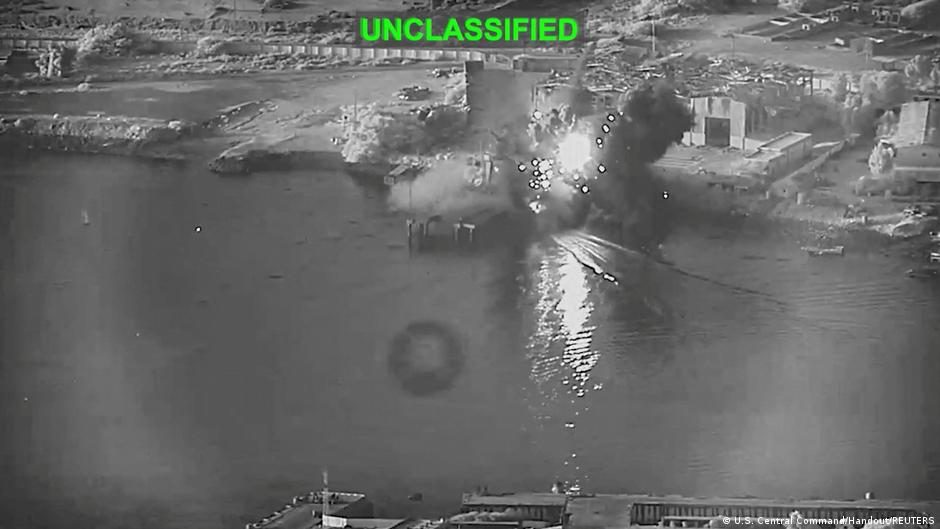
The United States has launched a new series of strikes against Iran aimed at further diminishing the country’s military capabilities, according to official statements from the US Central Command (CENTCOM). Targeted sites include bridges, airports, and energy infrastructure, with reports of casualties emerging from Iranian media sources.
The intensified military campaign, now in its sixth consecutive night as of July 16, has heightened geopolitical instability in the Middle East. The attacks reportedly struck civilian infrastructure in southern Iran’s Hormozgan province and in the port city of Bandar Abbas, among other locations. Iranian state media also reported explosions near the city of Bushehr, which houses the country’s sole civilian nuclear power plant.
Implications for Tech Startups and Venture Capital in the Region
While the immediate focus remains on security and military developments, the ongoing conflict poses significant challenges for the Middle East’s nascent tech ecosystems and venture capital markets. Regional instability tends to deter foreign direct investment and disrupts supply chains essential to tech startups.
“Sustained military confrontations risk undermining the confidence of global investors, which is critical for the growth of innovative startups in Iran and neighboring countries,” says an expert on Middle Eastern venture ecosystems.
The targeted strikes on infrastructure such as energy grids and transportation links could affect the operational capabilities of technology companies dependent on reliable utilities and logistics. Additionally, heightened security risks may compel venture capital firms to reconsider or delay funding rounds, mergers, and acquisitions involving regional startups.
Iran’s strategic location near the Strait of Hormuz, a critical maritime route for global energy supplies, adds further complexity. Control and security over this corridor have direct implications on regional trade and economic stability, factors that weigh heavily on investor decisions in the technology sector.
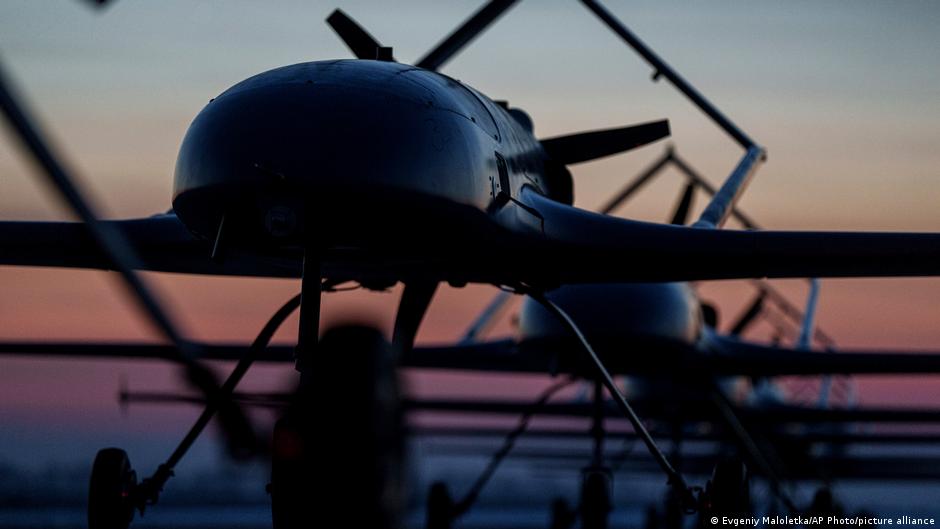
In response to US actions, the Iranian Revolutionary Guard Corps has conducted retaliatory strikes on American military assets in the region, including drone attacks targeting helicopters and reconnaissance aircraft stationed in Bahrain. Neighboring countries such as Kuwait and Bahrain have activated missile defense systems and emergency protocols, underscoring the broader regional security risks.
Recent political developments have further exacerbated tensions. A June agreement between the US and Iran intended to cease hostilities and lift blockades in the Strait of Hormuz has faltered following an Iranian drone attack on a civilian tanker and subsequent US military responses. Statements from US leadership indicate a hardening stance, with threats to continue strikes and to target additional Iranian infrastructure if negotiations fail.
For technology entrepreneurs and investors, these geopolitical dynamics present a complex landscape fraught with risk but also potential opportunity for those able to navigate the volatile environment. Long-term stability will be essential to foster innovation, attract venture capital, and enable mergers and acquisitions that drive growth across the Middle Eastern tech sector.