Trump Alleges Chinese Interference in 2020 US Elections, Raising National Security Concerns
Former President Trump claims China accessed data of 220 million US voters and influenced the 2020 election, urging investigation into intelligence failures.
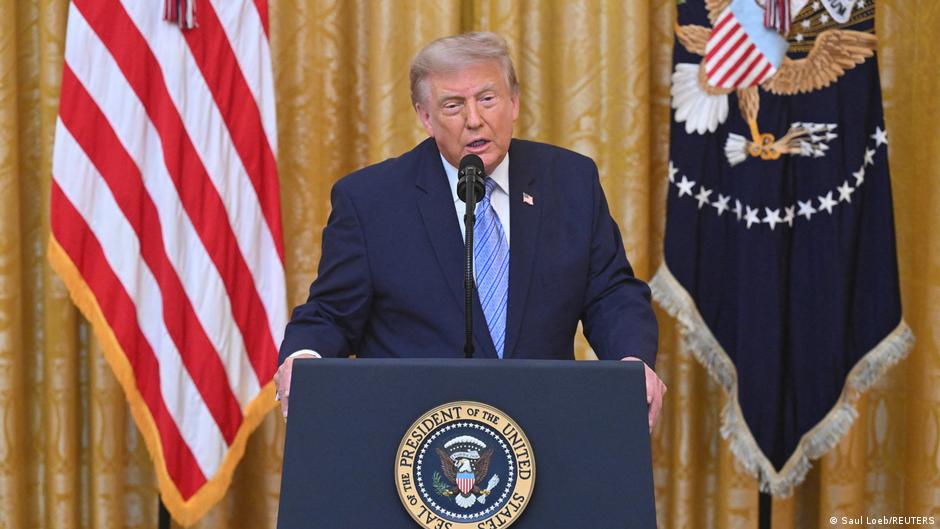
In a 25-minute televised address, former US President Donald Trump accused China of conducting one of the largest election data breaches in history, significantly impacting the 2020 US presidential election. Trump alleged that Chinese operatives accessed sensitive information belonging to approximately 220 million American voters, including names, addresses, phone numbers, and party affiliations.
Implications for Election Security and Technology Ecosystems
Trump described these vulnerabilities as "shocking" and claimed the data was "bought, stolen, or hacked" by Chinese authorities as part of a concerted effort to influence the election outcome. He further asserted that China attempted to sway public opinion by financially incentivizing negative media coverage about him. According to Trump, these activities were motivated by his administration's plans to impose multi-billion-dollar tariffs on China and strengthen the US military.
"This operation is believed to be the largest election data leak in history, compromising the integrity of our democratic process," Trump stated during the broadcast.
Beyond China, Trump warned that other foreign adversaries—including Russia, Iran, North Korea, and various non-state actors—could exploit similar weaknesses in the US election infrastructure. He also accused elements within the US intelligence community of deliberately suppressing information about the breaches, allegedly to shield political interests.
From a venture capital and startup ecosystem perspective, these revelations underscore the critical importance of cybersecurity innovations in election technology and data protection. The potential manipulation of voter data not only threatens democratic processes but also highlights opportunities for startups developing advanced encryption, secure data storage, and tamper-proof voting systems.
Tech investors and entrepreneurs focused on election infrastructure will likely experience increased demand for solutions that can safeguard electoral integrity against state-sponsored cyber operations. As governments worldwide grapple with similar threats, the election security sector could become a significant area for venture capital investment and M&A activity.
Following the allegations, Trump called upon the Office of the Director of National Intelligence, the Department of Justice, the FBI, and the CIA to investigate the failures that allowed the data breaches to occur and to hold accountable those responsible for concealing the information. He demanded dismissals and potential criminal proceedings against officials involved.
These developments may accelerate federal and private sector efforts to enhance election security technologies, inviting new partnerships and funding opportunities for startups championing innovative cybersecurity solutions. The intersection of politics, tech innovation, and national security will remain a critical space for venture capital engagement in the coming years.