Death of Iran’s Supreme Leader Ali Khamenei Marks New Uncertainties for Regional Stability and Tech Ecosystem
The passing of Ali Khamenei and his succession bring potential ripple effects on Middle Eastern tech startups, venture capital, and innovation dynamics.
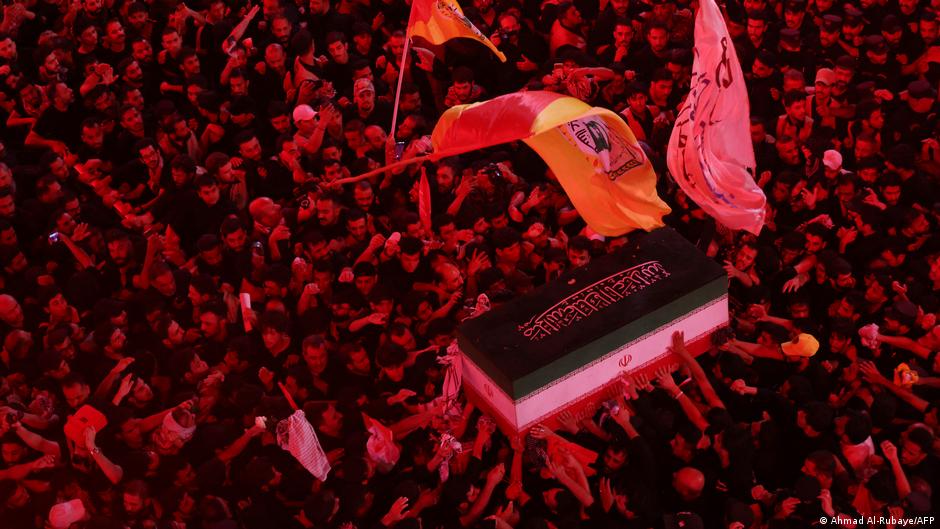
Iran’s political landscape and its ripple effects on the regional technology and investment ecosystem face new uncertainty following the closed funeral of former Supreme Leader Ali Khamenei. Khamenei, who was killed in February during a US and Israeli strike on his residence, was buried on July 10 in Mashhad, at the Imam Reza Shrine—a site significant to Shiite Muslims worldwide.
Political Transition and Its Impact on Tech and Investment
The death of Ali Khamenei comes amidst heightened geopolitical tensions in the Middle East, which have a direct impact on venture capital flows and startup ecosystems within the region. Khamenei’s successor, his son Mojtaba Khamenei, assumed the supreme leadership role but has remained absent from public view since the attack, fueling speculation about his condition and the stability of Iran’s leadership.
For tech startups and investors, sustained political uncertainty and military confrontations pose risks to investment confidence. Iran’s technology sector, already challenged by sanctions and limited international collaboration, may face further isolation if renewed hostilities escalate.
“The absence of a clear and stable leadership front in Iran could slow down foreign and domestic investments, as startups seek environments with predictable governance and security,” says a regional venture capital analyst.
The regime’s portrayal of Khamenei as a martyr and the choice of the Imam Reza Shrine for his burial underscore the symbolic consolidation of power. However, the ongoing conflict between the US, Israel, and Iran—exemplified by recent attacks and counterattacks in the Strait of Hormuz and surrounding regions—adds layers of complexity for foreign investors assessing risk.
The US administration’s temporary pause in negotiations with Iran during the mourning period, followed by resumed military clashes, creates a fluctuating geopolitical backdrop. As of mid-July, the future of diplomatic engagement remains uncertain, further complicating the operating environment for startups dependent on cross-border trade and technology exchange.
Implications for Middle Eastern Innovation Ecosystem
Iran’s unique position as a large market with a growing youth population and a nascent tech startup scene has attracted limited but increasing interest from regional venture capitalists and international players willing to navigate sanctions. The political turbulence risks undermining this momentum.
Moreover, the absence of Mojtaba Khamenei from public events leaves open questions about leadership continuity and policy direction, particularly regarding economic reforms and openness to foreign investment—critical factors for the innovation ecosystem's growth.
While Iran’s tech community has shown resilience, leveraging domestic talent and focusing on sectors such as fintech, e-commerce, and cybersecurity, the broader escalation of tensions could lead to capital flight and brain drain, hampering long-term development.
Investors and startup founders alike are now closely monitoring political developments, weighing risks against the opportunities presented by a youthful, tech-savvy population and a demand for digital transformation in Iran and the wider region.
As Iran prepares for further mourning ceremonies and a possible public appearance of Mojtaba Khamenei, the coming months are critical in determining whether stability can be restored to enable a constructive environment for innovation and investment.