Disinformation Campaign Falsely Links Stolen Cézanne Painting to Ukrainian President Zelensky
Fake BBC video alleging stolen artwork found in Zelensky’s office highlights ongoing Russian disinformation tactics impacting trust in media.
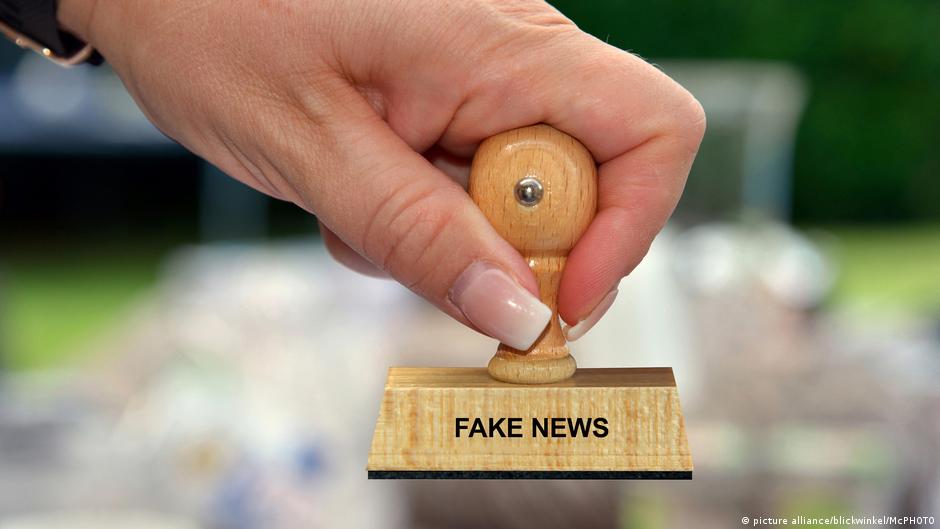
A fabricated video purporting to show the stolen Paul Cézanne painting "Still Life with Cherries" in the office of Ukrainian President Volodymyr Zelensky has recently circulated online, falsely bearing the BBC News logo. The British broadcaster has confirmed that no such report was produced, identifying the clip as a fake.
On April 24, French broadcaster France 24 and Euronews independently investigated the viral footage, which claimed that Zelensky had received the masterpiece from criminal organizations. One social media profile alone amassed over 400,000 views within hours, illustrating the rapid spread of this disinformation.
In reality, the artwork displayed on the office walls behind Zelensky is by Ukrainian artist Andriy Chebotaru, not Cézanne. This contrast highlights the deliberate attempt to mislead audiences by appropriating trusted media branding.
Russian-Linked Networks Exploit Media Trust to Fuel Disinformation
"This network, active for over three years, has orchestrated numerous disinformation campaigns targeting France and Western countries," said investigators from the Gnida Project.
The fake report is characteristic of the tactics employed by "Storm-1516," a disinformation network linked to Russia's GRU military intelligence agency. According to France 24 and security analysts, this network has consistently engaged in covert influence operations designed to destabilize Western democracies and sow distrust.
Further reports indicate that "Storm-1516" has been publicly connected to GRU and the Moscow-based Center for Geopolitical Expertise, as noted in U.S. Department of the Treasury documentation. Euronews also associates this episode with the Kremlin-affiliated "Matreshka" disinformation network, demonstrating a coordinated effort to manipulate narratives around Ukraine’s leadership.
For venture capitalists and tech startups, such disinformation campaigns pose indirect risks. They erode public and investor confidence in reliable information channels, potentially impacting funding flows and international cooperation in innovation ecosystems. The spread of fake news complicates the landscape for startups dependent on transparent communication and cross-border partnerships.
Moreover, the case underscores the increasingly sophisticated use of branded fake media content to influence geopolitical perceptions, necessitating enhanced media verification tools and strategic responses within the tech and investment communities.