US Ends Temporary Sanction Exemptions on Russian and Iranian Oil Impacting Energy Markets and Startups
US Treasury will not renew exemptions allowing purchase of Russian and Iranian oil products at sea, signaling tighter sanctions environment for energy sector and related startups.
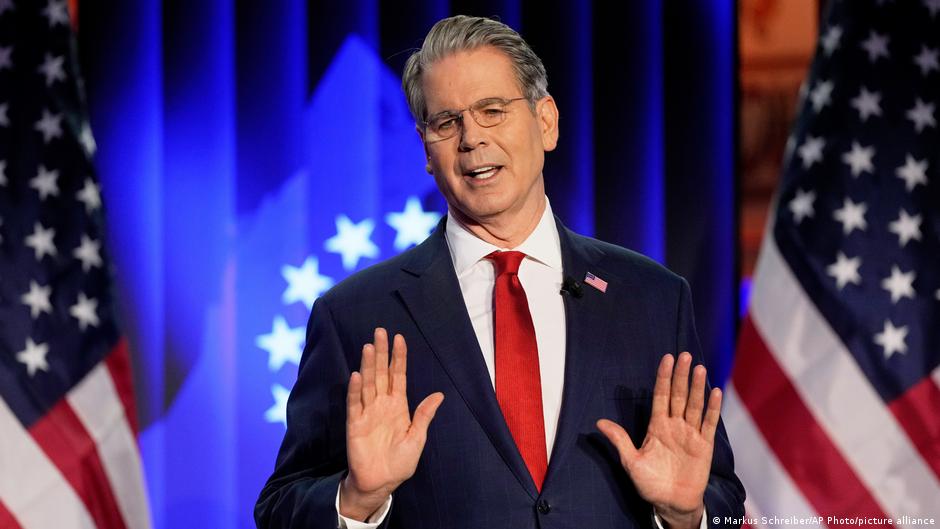
The United States Treasury Department announced it will not extend temporary exemptions from sanctions that previously allowed certain countries to purchase Russian and Iranian oil products already loaded on tankers. This decision, confirmed by Treasury Secretary Scott Bessent, is expected to tighten sanctions enforcement and could have significant implications for the energy market and tech startups operating in related sectors.
Implications for Energy Markets and Startup Innovation
The exemptions, initially introduced to accommodate over ten vulnerable and low-income countries, were intended as a short-term measure amid rising energy prices exacerbated by geopolitical tensions, including the Iran war and Strait of Hormuz blockade. However, Secretary Bessent indicated that the volume of Russian oil at sea eligible under the exemption has largely been exhausted, and no further renewals are planned.
"This was a measure aimed at supporting vulnerable nations, but I can’t envision another extension," Bessent stated, citing consultations with the World Bank and International Monetary Fund. The move signals a more stringent approach to sanction enforcement, which is likely to reverberate across global energy trade dynamics.
"We think Iran will soon be forced to reduce oil production, which will be detrimental to their wells," said Bessent, highlighting anticipated production cuts resulting from increased pressure.
For venture capital and startups specializing in clean energy technologies, energy trading platforms, and alternative fuels, this development underscores the increasing geopolitical risks influencing energy supply chains and commodity stability. Innovations in energy sourcing, efficiency, and sanction-compliant trade platforms may see accelerated demand as market players seek to adapt to heightened restrictions.
Additionally, the absence of further sanction exemptions could dampen liquidity and trading volumes in the oil derivatives market, urging fintech startups to pivot their offerings or recalibrate risk models accordingly.
The US had previously extended the exemption on Russian oil sales until May 16, but the decision not to renew aligns with the administration's broader strategy to limit Moscow's oil revenue, which was reported to have risen by over $100 million daily after the initial easing. Ukrainian leadership and diplomats had vocally opposed the exemptions, emphasizing the geopolitical stakes involved.
As sanctions tighten, startups innovating in energy analytics, compliance software, and blockchain-based supply chain verification could find new opportunities amid increasing demand for transparency and regulatory adherence.
The evolving sanctions landscape will continue to shape investment flows and M&A activity within the energy tech sector, compelling venture capitalists to closely monitor regulatory shifts and geopolitical risk factors that directly impact startup valuations and growth trajectories.