Ryanair to Close Berlin Base Amid Rising Aviation Costs, Impacting European Budget Travel
Ryanair announces shutdown of Berlin base and flight reductions, citing Germany's high aviation taxes and fees as key factors.
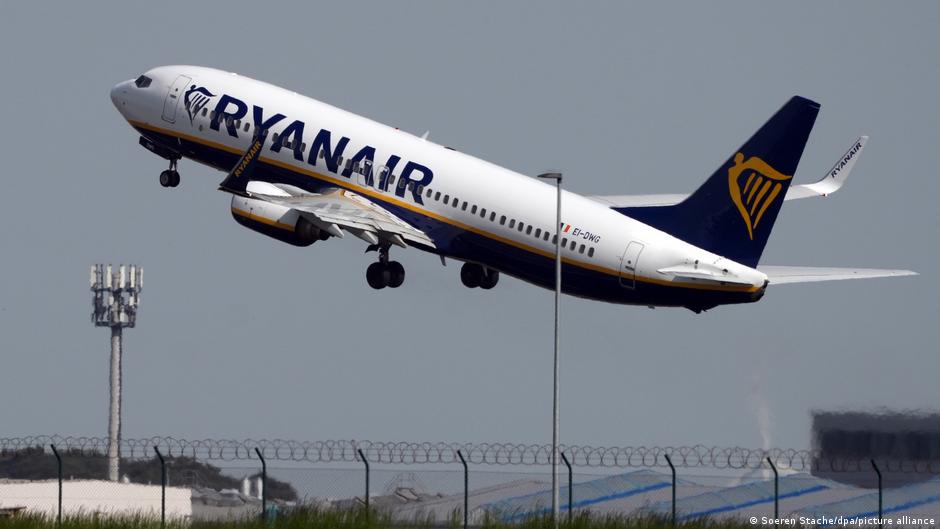
Irish low-cost airline Ryanair has announced plans to close its base at Berlin Brandenburg Airport by October 2026 and reduce its flight operations to Berlin by 50%. This move will see the airline withdraw all seven aircraft currently stationed in Berlin and reduce the annual passenger traffic from 4.5 million to 2.2 million.
Rising Operational Costs Drive Strategic Shift
Ryanair attributes its decision to the increasing operational costs in Germany, particularly the rise in aviation taxes and airport fees. According to the airline, Berlin Brandenburg Airport plans to increase fees by 10% between 2027 and 2029, adding to an already substantial 50% increase since the COVID-19 pandemic, despite passenger numbers dropping from 36 million in 2019 to 26 million in 2025.
Since 2019, Germany's aviation tax has more than doubled from €7.30 to €15.50 per passenger. Security fees are set to rise from €10 in 2024 to €20 by 2028, and air traffic control fees have increased from €1 to €3.30 per passenger. These growing expenses have made Germany less attractive for budget carriers, prompting Ryanair to relocate aircraft to lower-cost airports in Sweden, Slovakia, Albania, and Italy, where aviation taxes have been repealed.
“Germany’s reliance on high aviation taxes and airport fees has undermined its competitiveness, and a lack of government strategy to reduce these costs puts the aviation sector in crisis,” said Ryanair CEO Eddie Wilson.
Ryanair has previously shuttered bases in Frankfurt, Düsseldorf, and Stuttgart, and ceased operations in Dresden, Leipzig, and Dortmund, highlighting a broader trend of the airline withdrawing from high-cost German markets.
Implications for the European Aviation and Startup Ecosystem
This development poses significant challenges for the European budget travel market, which plays a crucial role in supporting cross-border mobility for tech startups, entrepreneurs, and investors. Affordable and accessible air travel is essential for the fluid movement of talent, enabling startups to expand their reach and facilitating venture capital activities across countries.
Berlin, as a leading European tech hub, benefits from its connectivity and relative affordability. Ryanair’s scaling back could raise travel costs and reduce options for startups that rely on budget flights for regional networking and investor meetings. Higher aviation taxes and fees may deter other low-cost carriers, potentially leading to reduced competition and innovation in the European aviation sector.
Conversely, Ryanair’s move to shift operations to airports in countries with lower aviation costs could stimulate competition and growth in those regions, possibly encouraging new routes and increased connectivity for emerging startup ecosystems.
Industry observers note the growing tension between government fiscal policies and the operational realities of low-cost carriers, raising questions about sustainable aviation strategies that balance environmental goals, fiscal revenue, and the needs of innovation-driven economies.
Berlin Brandenburg Airport has expressed surprise at Ryanair’s decision and stated that negotiations are ongoing to address the airline’s concerns. Meanwhile, Ryanair plans to begin staff consultations soon, assuring that flight crew will be offered positions across its European network as it accelerates passenger growth in other regions.