Drone Attacks Disrupt Ozon Logistics Centers in Krasnodar and Stavropol Regions
Drone strikes on Ozon's key logistics hubs cause fires and operational halts, impacting Russia’s e-commerce supply chain and raising concerns for tech startups reliant on logistics infrastructure.
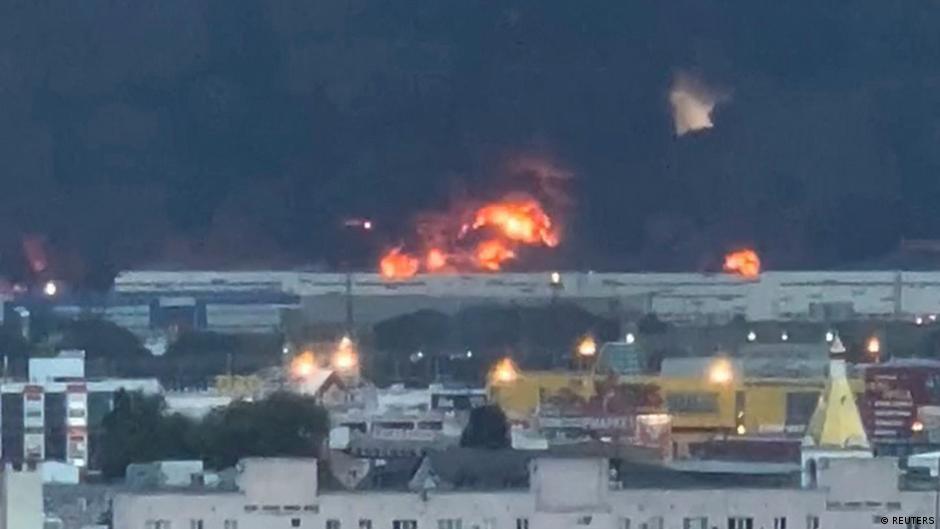
Russia’s leading online retailer Ozon has suffered significant disruptions following drone attacks on its logistics centers in the southern regions of Krasnodar and Stavropol. The strikes have resulted in fires, suspensions of warehouse operations, and damage to residential areas, highlighting vulnerabilities in the logistics infrastructure critical to the country’s e-commerce ecosystem.
Operational Impact and Human Toll
On August 24, Ozon confirmed that its Krasnodar logistics center was targeted by unmanned aerial vehicles (UAVs), triggering a large fire and forcing the evacuation of staff. Emergency responders are actively battling the blaze, and no immediate casualties were reported within the facility. However, fragments of the drones fell into multiple addresses within Krasnodar’s Prikubansky district, including a private children’s center, where local officials reported two fatalities and nine injuries, including children and adults.
"The fire broke out within warehouse premises, and emergency services are on the scene extinguishing the flames," stated Evgeny Naumov, the head of Krasnodar.
As a precautionary measure, Ozon has suspended order fulfillment and inbound shipments at the Krasnodar hub, redirecting logistics routes to alternative facilities. This disruption affects both sellers and customers, potentially delaying deliveries and impacting vendor operations.
Further Escalation in Stavropol Region
Separate reports indicate a similar drone strike targeted an Ozon warehouse in Nevinnomyssk, Stavropol Krai. The facility, spanning over 93,500 square meters, serves as a key node for storing, sorting, and dispatching various consumer goods. Following reported explosions and a visible smoke column, Stavropol’s governor confirmed ongoing air defense efforts to repel UAV attacks aimed at the industrial zone.
The cumulative incidents have raised alarms across the tech and logistics sectors, underscoring the fragility of supply chains integral to Russia’s burgeoning e-commerce and startup ecosystems. Ozon, often dubbed the 'Amazon of Russia,' plays a pivotal role in enabling small and medium enterprises (SMEs) and tech startups to reach customers nationwide.
Implications for Venture Capital and Startup Ecosystem
The attacks spotlight the growing risks faced by tech startups and logistics-dependent ventures in conflict-affected regions. Disruptions to fulfillment centers can lead to significant financial losses, erode consumer trust, and complicate inventory management, thereby hampering startup growth and investor confidence.
Venture capital firms evaluating investments in Russian e-commerce and logistics startups may now factor in increased operational risks and security challenges into their assessments. Additionally, the resilience and redundancy of supply chains could emerge as critical criteria for startup viability and scalability.
Ultimately, these events stress the need for innovation in secure logistics infrastructure and risk mitigation strategies within Russia’s technology ecosystem, potentially opening avenues for startups specializing in security technologies, drone detection, and resilient supply chain solutions.