European Parliament Backs €115 Million Agile Fund for Defence Tech Startups
The new EU programme is designed to accelerate grants, testing and certification for SMEs, startups and scale-ups building disruptive defence technologies.
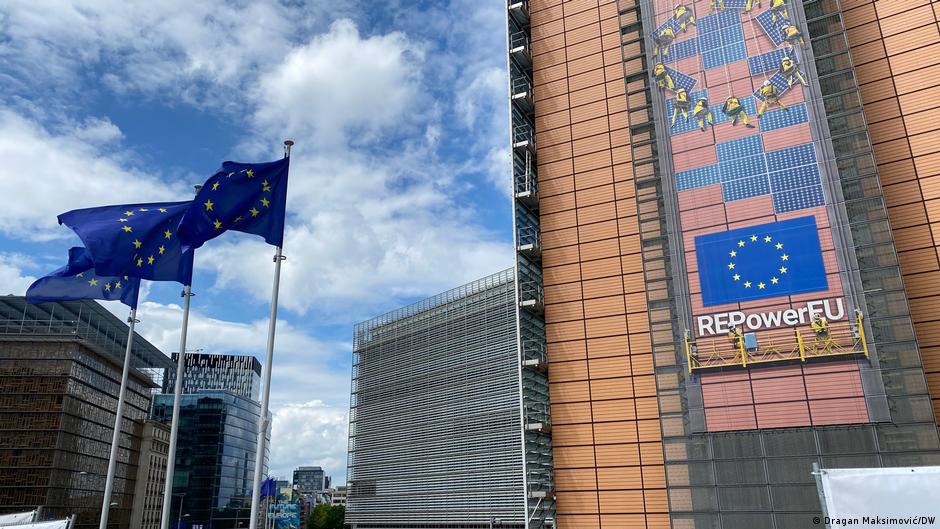
The European Parliament has approved the creation of Agile, a new European Union programme that will channel €115 million into companies developing emerging and disruptive defence technologies, with small and medium-sized enterprises, startups and scale-ups placed at the centre of the initiative.
The vote gives further political momentum to an instrument designed to move defence innovation more quickly from early development into testing, certification and market deployment. According to a European Parliament press release published on Tuesday, October 6, Agile, short for Agile and Rapid Defence Innovation, is described as a new tool with a €115 million budget intended to provide fast, flexible and targeted financial support to SMEs, including startups and companies in the expansion stage, that are developing new and breakthrough defence technologies.
For Europe’s venture-backed technology ecosystem, the programme represents another signal that defence, dual-use and security-related technologies are moving closer to the mainstream of innovation policy. The initiative is not framed as a venture capital fund, but its focus on startups and scale-ups could affect the financing environment around companies working on autonomy, advanced sensing, secure communications, battlefield software, certification-heavy hardware and other defence-relevant technologies.
The measure was supported by an overwhelming majority of members of the European Parliament. In the final vote, 536 lawmakers backed the initiative, 101 voted against it and 16 abstained. The programme must still be approved by the Council of the European Union before it is published in the Official Journal. Its launch is scheduled for the beginning of 2027, after negotiators from the Parliament and the Council reached a preliminary agreement in July 2026.
A public funding signal for defence innovation
Agile arrives as European institutions look for mechanisms that can reduce the distance between fast-moving technology companies and a defence industrial base that has traditionally moved through longer procurement and development cycles. For startup founders and investors, the key point is not only the size of the budget, but the stated emphasis on speed, flexibility and targeted support.
EU technology commissioner Henna Virkkunen said in spring 2026 that Agile should bring Europe’s most creative technology companies closer to the defence industry. The programme is intended to accelerate the development and testing of defence innovations, as well as their entry into the market. That positioning could make Agile relevant for companies that might otherwise struggle to navigate defence procurement, testing facilities or certification pathways while still operating on startup timelines.
Defence commissioner Andrius Kubilius also argued at the time that the way wars are fought is undergoing fundamental change. He said armed forces need new technologies, rapid deliveries and highly competitive prices in order to be smarter and faster than their opponents.
Agile is intended to provide rapid, flexible and targeted financial support to SMEs, including startups and scale-ups, developing new and disruptive defence technologies.
The programme’s structure could prove especially important for companies at the stage where technical validation, field testing and certification become bottlenecks. In many deep-tech markets, public grants can help bridge the gap between research, prototype development and commercial deployment. In defence technology, that gap can be even harder to cross because of security requirements, procurement complexity and the need to align products with operational capability needs.
Implications for startups, investors and M&A
For venture capital firms, Agile may help de-risk parts of the defence innovation pipeline without replacing private capital. A startup that receives non-dilutive grant funding, access to testing or certification support can become more attractive to investors if those resources shorten development cycles or improve the path to a first defence customer. The programme may also strengthen the case for follow-on funding into European defence technology companies that have struggled to compete with better-funded rivals in other markets.
The emphasis on SMEs and scale-ups matters because the European defence market has often been dominated by established contractors. If Agile succeeds in giving younger companies a more direct route into capability development, it could gradually widen the pool of acquisition targets and partnership candidates for larger defence groups. That, in turn, may influence merger and acquisition activity as incumbents look to integrate software, sensors, autonomous systems or other emerging technologies developed outside traditional defence supply chains.
At the same time, the programme is designed to keep member states involved in defining the challenges that companies address. The October 6 Parliament statement says Agile is intended to stimulate innovation through accelerated grants and access to testing and certification. It also says the programme gives member states the opportunity to participate in defining tasks, in order to ensure that the products being developed correspond to their defence capability needs.
That feature may be important for market formation. Startups often face a central challenge in defence technology: building products for users whose needs are specific, urgent and shaped by national security priorities. By involving member states in the definition of challenges, Agile could give companies clearer demand signals before they commit scarce engineering and capital resources.
The programme’s approval also reflects a broader shift in how European policymakers view the innovation ecosystem. Startups and scale-ups are increasingly seen not only as drivers of productivity or consumer-facing digital services, but as potential contributors to strategic resilience and military capability. For founders, that shift may open new public funding channels. For investors, it may expand the investable universe of defence and dual-use companies, while also raising familiar questions around export controls, procurement risk, ethical mandates and the long sales cycles of government customers.
Agile is still not in force. The Council of the European Union must approve the initiative before formal publication, and the planned start date remains early 2027. But the Parliament vote marks a significant step toward a dedicated EU mechanism for faster defence technology financing, with startups and scale-ups explicitly named among the intended beneficiaries.