Drone Attacks Ignite Oil Storage Fires in Krasnodar Region and Sevastopol, Raising Security Concerns for Russian Energy Infrastructure
Ukrainian drone strikes on April 18 caused fires at oil depots in Tikhoretsk and Sevastopol, highlighting risks to energy assets and regional stability.
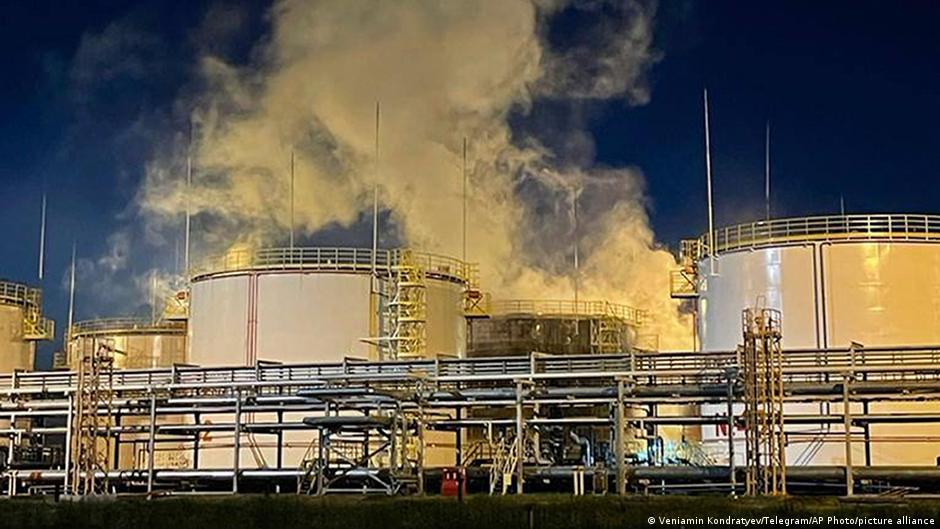
On the night of April 18, Ukrainian drone attacks targeted critical energy infrastructure in Russia's Krasnodar region and the annexed city of Sevastopol, igniting fires at oil storage facilities. The incidents underscore growing security challenges for energy assets amid ongoing conflict, with potential implications for regional supply chains, investment risk, and the innovation ecosystem supporting energy and defense technologies.
Details of the Attacks and Immediate Response
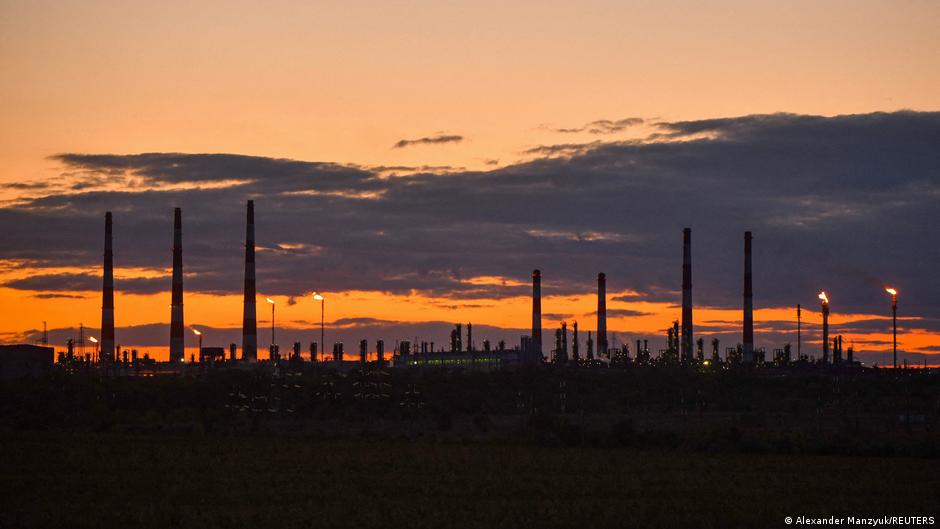
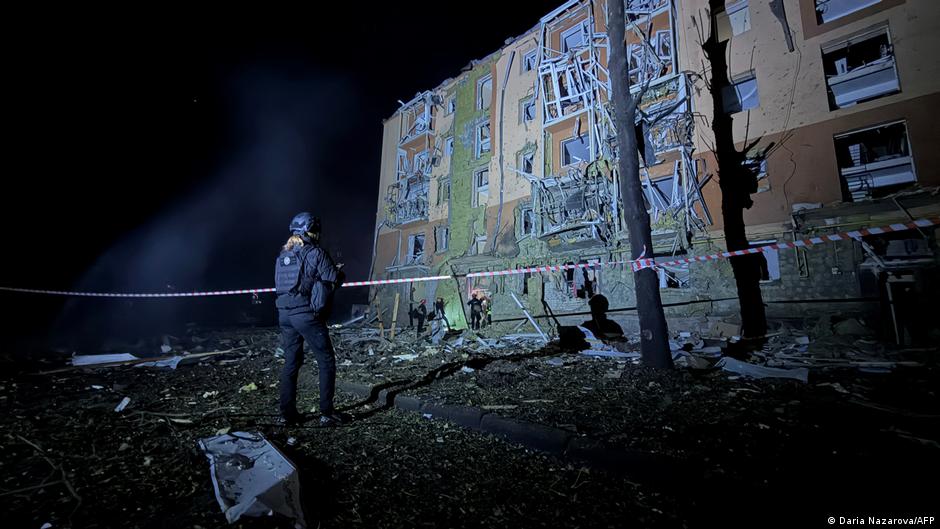
In Tikhoretsk, a city in Russia's Krasnodar region, a drone strike resulted in a fire at a local oil depot. Regional emergency services mobilized 224 personnel and 56 pieces of equipment to combat the blaze. No casualties were reported. According to the regional operations headquarters, the response was swift and coordinated to contain the damage.
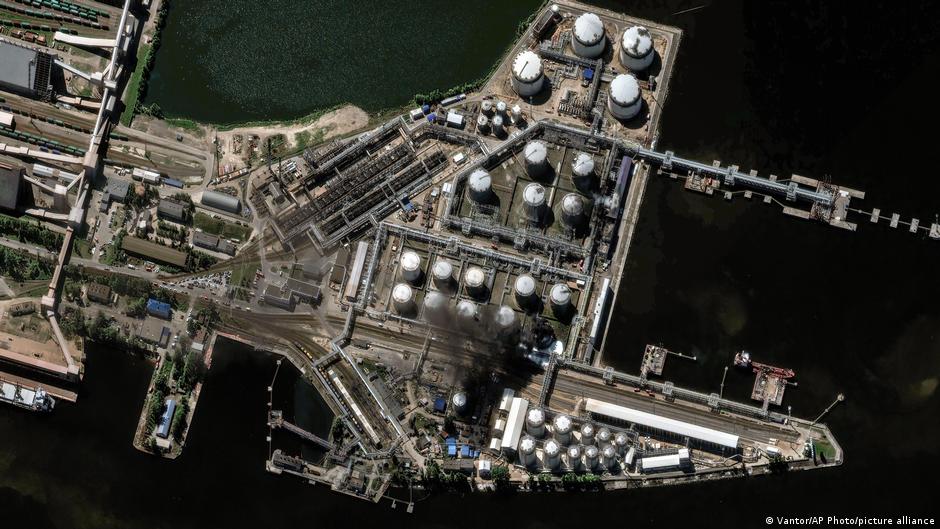
Simultaneously, in Sevastopol, a city annexed by Russia, another oil storage facility caught fire in the Kazachya Bukhta district following a similar drone incursion. Mikhail Razvozhayev, the city's administrative head, confirmed that a fuel tank containing residual fuel was set ablaze. Preliminary assessments attribute the fire to a downed unmanned aerial vehicle (UAV). The affected area was reportedly small, and no injuries occurred. Sevastopol’s air defense reportedly neutralized 22 Ukrainian drones during the same night.
"The fire in Sevastopol occurred due to a downed drone, but the area affected was limited and no one was harmed," said the city's administration head.
Beyond Krasnodar and Sevastopol, heightened security measures were implemented in several Russian regions. An aerial alert was issued in Leningrad Oblast, and temporary restrictions on aircraft arrivals and departures were reported at Pskov Airport. Additional security protocols, including the activation of the "Cover Plan," were enforced at airports in Saratov, Penza, Samara, and Ulyanovsk.
Implications for Tech Startups, Venture Capital, and Innovation Ecosystem
These attacks reveal the increasing role of drone technology in modern conflict and underscore vulnerabilities in energy infrastructure that can impact the broader economic landscape. For venture capitalists and tech startups specializing in defense, drone technology, and energy security, the events highlight both challenges and opportunities.
Startups developing advanced UAV countermeasures, cybersecurity solutions for critical infrastructure, and rapid response technologies may see increased demand and investment interest as governments and private sector entities seek to bolster defenses against such asymmetric threats.
Moreover, the attacks raise concerns over the operational risks faced by energy and logistics startups operating in or near conflict zones. Ensuring resilience and continuity in supply chains may become a focal point for innovation, driving investment toward technologies that enhance infrastructure monitoring, damage assessment, and risk mitigation.
These incidents could also accelerate M&A activity as larger energy firms look to consolidate assets with secured, hardened infrastructure or acquire startups offering innovative protective technologies. Venture capital funds focusing on defense tech and infrastructure resilience may recalibrate their portfolios in response to evolving security dynamics.
In sum, the drone attacks on oil depots in Krasnodar and Sevastopol not only represent a tactical escalation but also have strategic implications for the technology and investment landscape in Russia. They highlight the critical intersection of energy security, defense innovation, and venture capital in a geopolitically tense environment.