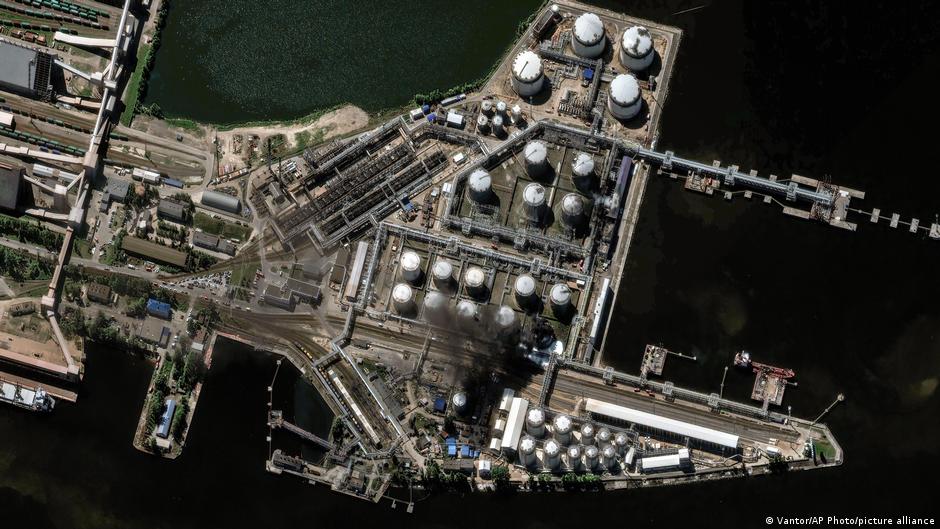
US Gas Proposal Adds New Variable for Europe’s Tech and Venture Markets
A reported US peace proposal linking Russian gas imports to an end to the Ukraine war could reshape costs and investment risks across Europe.
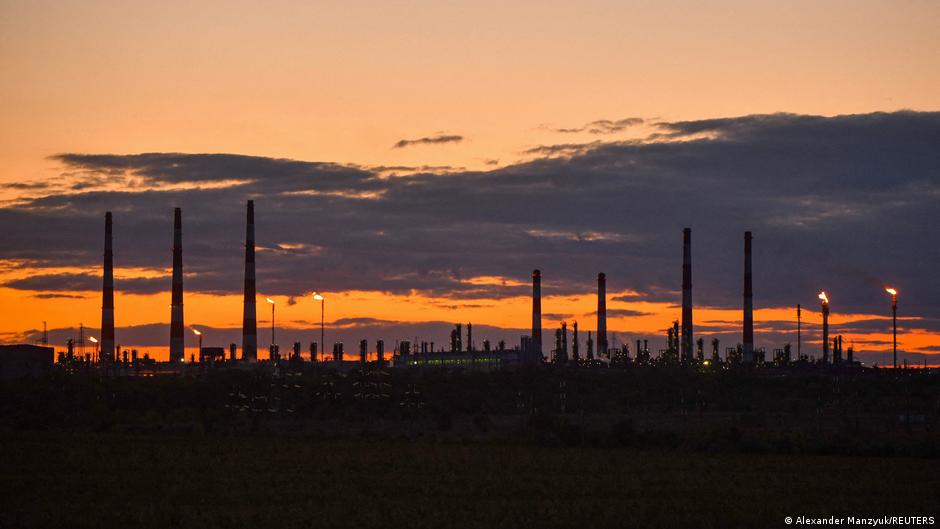
A reported US proposal to revive large-scale Russian pipeline gas sales to Europe as part of a peace agreement for Ukraine could introduce a new variable into the continent’s technology investment landscape, where energy prices, geopolitical risk and regulatory certainty influence startup financing and corporate acquisitions.
The New York Times reported on Saturday, October 17, citing people familiar with the matter, that renewed European purchases of Russian pipeline gas would be a central element of a new US plan aimed at ending the war in Ukraine. Washington reportedly views the restoration of major gas flows as an economic incentive for Russia to halt the conflict.
According to the report, US presidential envoys Steve Witkoff and Jared Kushner presented the initiative during talks with representatives of Ukraine and the European Union. The proposal was also discussed with Ukrainian President Volodymyr Zelensky during a meeting in Kyiv in September.
Energy costs meet regulatory uncertainty
For Europe’s startup and venture capital ecosystem, any return of Russian pipeline gas would carry potentially competing implications. Greater gas availability could affect operating costs for energy-intensive technology companies, data infrastructure providers and advanced manufacturing startups. At the same time, reversing or modifying the EU’s planned withdrawal from Russian energy would create fresh questions around regulation, sanctions exposure and the durability of long-term energy policy.
The EU delegation reacted skeptically to the idea, according to the Times. Günter Sautter, German Chancellor Friedrich Merz’s closest security adviser, was among its sharpest critics. Some European and Ukrainian officials also expect the United States to seek a stake in Russian gas exports, the newspaper reported.
That prospect may matter for investors assessing infrastructure ownership and cross-border dealmaking. Any US commercial participation in Russian exports could alter the structure of future energy transactions and potentially create openings for intermediaries, logistics providers and industrial technology companies. However, the reported European resistance suggests that political approval would remain a substantial obstacle to investment or merger activity tied to restored flows.
US and Russian representatives have also discussed restarting Nord Stream, the pipeline system connecting Russia and Germany beneath the Baltic Sea, according to the Times. The pipeline has been inactive since August 2022 following an explosion. Reuters reported similar discussions in early October, citing five sources.
One person cited by the Times said the Trump administration considers restarting Nord Stream an “easy task” if a peace agreement is reached.
The White House denied to journalists that Nord Stream had been under discussion. It added that any agreement involving the issue would require close coordination with European partners as part of a comprehensive peace settlement.
Policy reversal would affect startup planning
The proposal runs against the EU’s current energy trajectory. In January 2026, the bloc agreed to end all imports of Russian pipeline gas and liquefied natural gas by November 1, 2027. The adopted legislation also prohibits new gas contracts with Russia.
Russian gas has already lost much of its former position in the European market. Its share of EU gas imports fell from 45% in 2021 to about 19% in 2024 and 13% in 2025 following Russia’s full-scale invasion of Ukraine in February 2022.
A change to that policy could force technology founders and investors to reconsider assumptions embedded in business plans, including electricity and heating expenses, industrial supply chains and the future pace of European investment in alternative energy. It could also affect valuations in climate technology, energy storage and efficiency software if expectations for gas prices or infrastructure spending change.
Yet the reported plan remains a diplomatic proposal rather than an agreed commercial framework. The contradiction between the Times report and the White House denial over Nord Stream adds another layer of uncertainty. Venture firms, strategic buyers and startups considering energy-related expansion would still need clarity on EU legislation, sanctions and ownership arrangements before treating renewed Russian supplies as a durable market shift.
Ukraine would also face a direct financial consideration. Kyiv stopped the transit of Russian pipeline gas to Europe on January 1, 2025, after declining to renew an expired contract with Gazprom. The Times said Ukraine consequently loses about €900 million in annual transit fees.
Whether a future settlement restores those revenues, routes gas through different infrastructure or leaves the existing cutoff intact could shape reconstruction financing and the wider Ukrainian innovation economy. For venture investors, the central issue is therefore broader than gas prices: the negotiations could influence capital allocation across European energy technology, infrastructure, cybersecurity and Ukrainian reconstruction while determining how much geopolitical risk remains attached to cross-border deals.