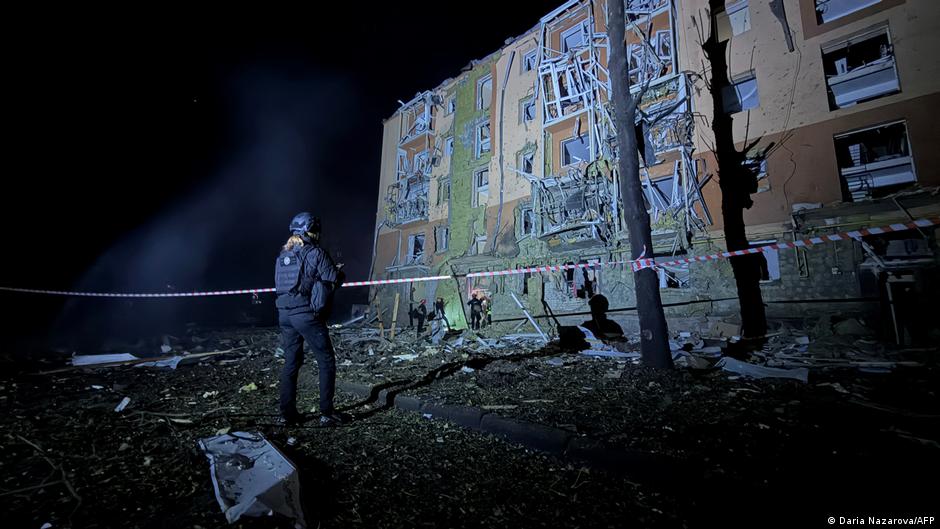
Drone Attacks on Chernihiv Infrastructure Highlight Risks for Ukraine’s Tech and Energy Sectors
Recent Russian drone strikes on Chernihiv’s critical infrastructure have caused widespread power outages, impacting the region’s innovation and startup ecosystem.
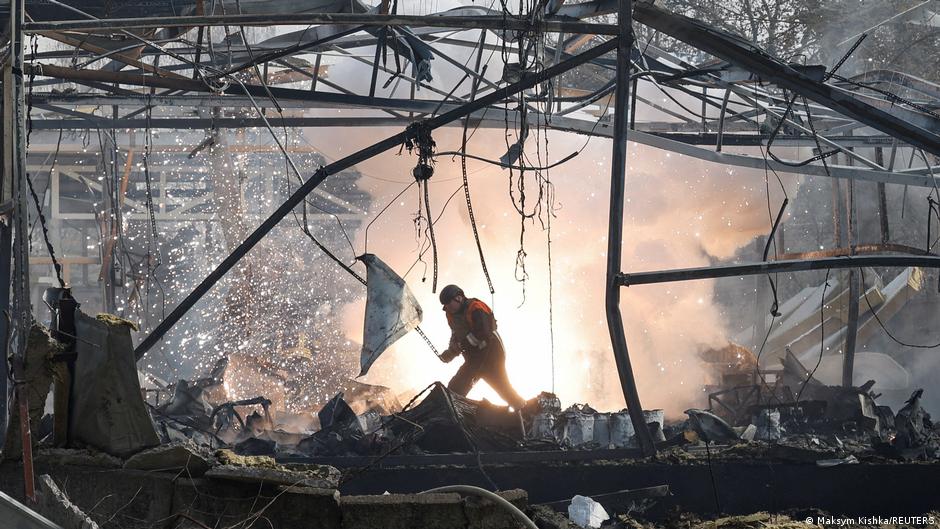
On the night of April 17, Russian forces launched a concentrated drone attack targeting critical infrastructure in Chernihiv, Ukraine. The assault resulted in significant damage, fires, and a blackout affecting approximately 6,000 electricity subscribers, according to local energy providers.
Impact on Infrastructure and Innovation Ecosystem
Dmitry Bryzhinsky, head of the Chernihiv City Military Administration, confirmed the attack, noting that information about casualties is still being updated. The city council’s press service reported multiple strikes on industrial and infrastructure targets, some of which ignited fires. Officials described the information as preliminary and under verification.
The local energy company, Chernihivoblenergo, stated that the power outage was due to damage to an energy facility in the Chernihiv district. They indicated that emergency restoration work would begin once security conditions allow.
“The scale of these attacks on critical infrastructure not only disrupts everyday life but also threatens the fragile technology and startup environment that depends heavily on stable power and connectivity,” a regional tech analyst commented.
Energy disruptions have become a recurring challenge for the region’s technology startups and innovation hubs. On April 6, a similar strike on an energy facility in the Nezhin district left approximately 340,000 subscribers in Chernihiv and nearby areas without electricity, severely hampering operations of local businesses and tech incubators.
Earlier on March 21, the entire city of Chernihiv experienced a blackout following Russian attacks on the region’s energy infrastructure. Critical social and industrial institutions were forced to switch to alternative power sources. This repeated disruption also caused delays in railway services operated by Ukrzaliznytsia, affecting supply chains and mobility for the workforce.
The vulnerability of Chernihiv’s energy network was further exposed during a full blackout on October 21, 2025, caused by drone strikes on key power facilities. That incident similarly forced critical infrastructure to rely on backup power, underscoring the ongoing risk to the city’s stability and economic activity.
For startups and venture capitalists in Ukraine, the persistent threat to infrastructure presents a significant challenge. Reliable power and communications are vital for software development firms, hardware startups, and innovation centers. Disruptions increase operational costs, complicate fundraising efforts, and deter potential investors concerned about regional stability.
Moreover, repeated attacks raise questions about the resilience of Ukraine's energy grid and the need for accelerated investments in decentralized and renewable energy solutions within the tech ecosystem. Strengthening these systems is crucial not only for civilian life but also to sustain the growth of Ukraine’s emerging technology sector amid ongoing conflict.
The recent strikes highlight the intersection of geopolitical conflict and the tech innovation ecosystem, emphasizing the urgent need for strategic infrastructure protection and contingency planning for startups and investors active in or considering the Ukrainian market.