Drone Attacks on Russian Regions Disrupt Key Logistics and Raise Security Concerns for Tech Supply Chains
Recent drone strikes on multiple Russian regions, including key Wildberries warehouses, highlight vulnerabilities impacting tech startups and the broader innovation ecosystem.

On the night of July 18, a series of coordinated drone attacks targeted multiple regions within Russia, causing significant disruptions to logistics and infrastructure vital to the country’s tech and e-commerce sectors. Among the most notable incidents was a fire at a Wildberries warehouse in the Tambov region, reportedly resulting from Ukrainian military drone strikes. The attacks have underscored vulnerabilities in supply chain infrastructures that could impact technology startups and investors dependent on seamless logistics.
Impact on Logistics and Tech Ecosystem
The Wildberries warehouse located in Kotovsk, Tambov region, caught fire following a drone strike, leading to the deaths of seven employees and injuring 24 others. Wildberries is a major e-commerce marketplace in Russia, widely used by various technology startups and retailers for distribution. The disruption of their logistics capabilities could cause ripple effects across the tech ecosystem that relies on their fulfillment services.
Local authorities confirmed the attack, with regional governor Evgeny Pervyshov attributing the fire directly to the drone strike. Independent analyses from Telegram-based OSINT channels corroborated these claims, releasing videos purportedly recorded by residents showing drone activity and the ensuing blaze at the warehouse.
"The drone strike on the Wildberries warehouse not only resulted in tragic human casualties but also highlights the fragile nature of logistics infrastructure supporting tech commerce," a local analyst noted.
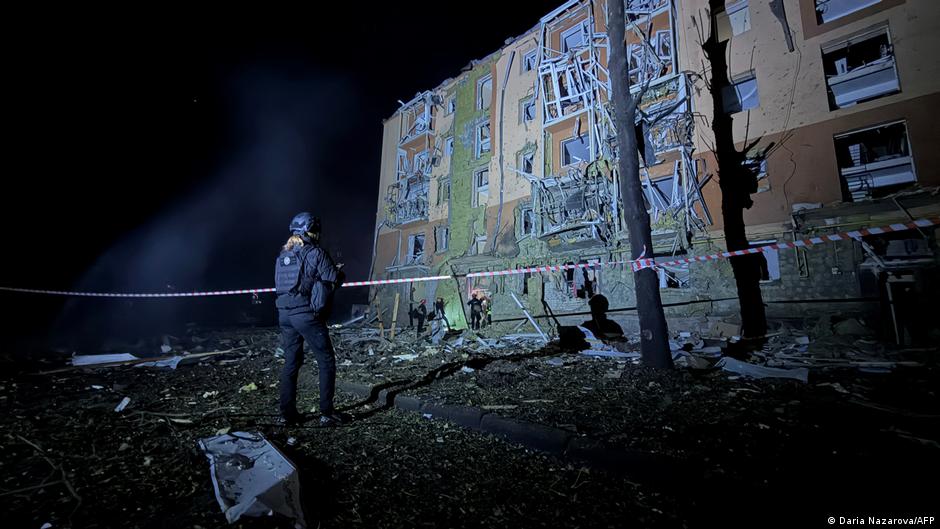
Further strikes were reported in Vladimir and Moscow regions. In Vladimir city, a drone hit a high-rise apartment, prompting evacuation measures though no casualties were reported. Moscow authorities announced that the city’s air defense intercepted dozens of drones targeting the capital, with Mayor Sergey Sobyanin confirming the destruction of over 30 drones and ongoing emergency responses to debris fallout.
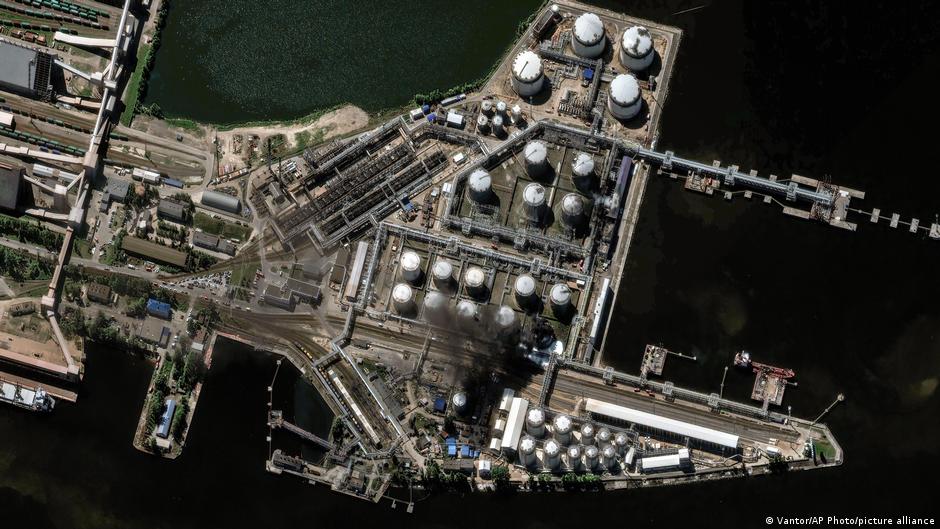
Beyond Moscow, the Leningrad region also reported six drones shot down, while additional fires were seen at another Wildberries warehouse in Elektrostal near Moscow, and at a fuel depot in Noginsk. These incidents collectively suggest a broad attempt to disrupt critical logistic nodes and fuel supplies, potentially complicating operational continuity for startups and established companies alike.
Moreover, attacks extended to occupied Crimea, with drone strikes reported in Sevastopol, Kerch, Feodosia, and the Guardeyskoye airbase area. The local appointed governor declared an extended air raid alert, illustrating the heightened security tensions across the region.
Venture Capital and Startup Implications
These developments raise significant concerns for venture capitalists and entrepreneurs in Russia’s technology and logistics sectors. Startups dependent on reliable supply chains for hardware components, fulfillment, and delivery services may face increased operational risks and potential delays. Investors might reassess the geopolitical risk profiles of portfolio companies operating in or tied to these regions.
Additionally, the attacks highlight the strategic role of drone technology in modern conflict and its potential impact on civilian and commercial infrastructure. This could spur innovation in counter-drone technologies, cybersecurity, and resilient supply chain solutions—areas that may attract increased venture funding as startups develop new protective measures and response systems.
In the broader innovation ecosystem, firms may need to diversify logistics partners and invest in risk mitigation strategies to sustain growth amid geopolitical instability. The combination of security threats and infrastructure vulnerabilities could accelerate shifts toward decentralized and more robust technology platforms.
As the situation evolves, stakeholders across the startup and investment communities will be monitoring impacts on operational capacities, potential disruptions in funding climates, and emerging opportunities to innovate within the defense and logistics tech sectors.