Drone Strikes on Kharkiv and Odessa Damage Residential Buildings, Impact Local Communities
Recent drone attacks in Eastern Ukraine have damaged multi-story residential buildings, raising concerns for regional security and infrastructure resilience.
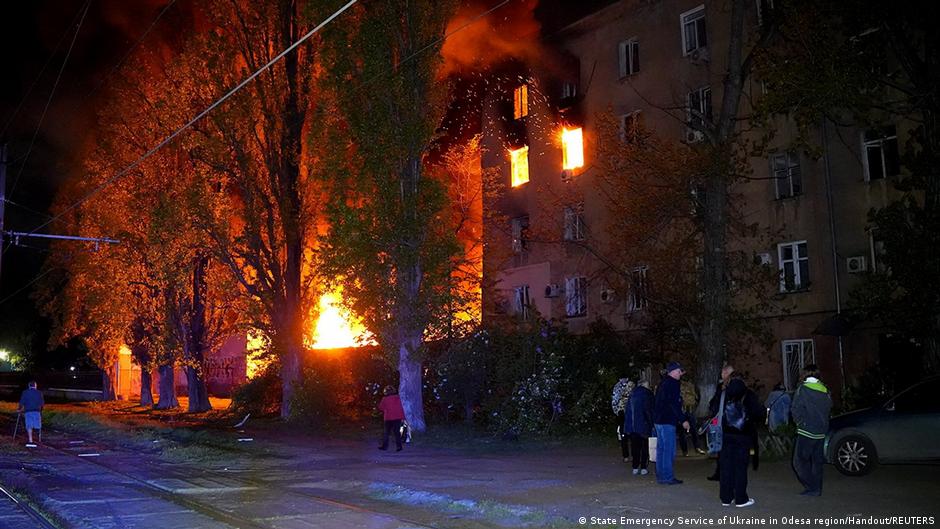
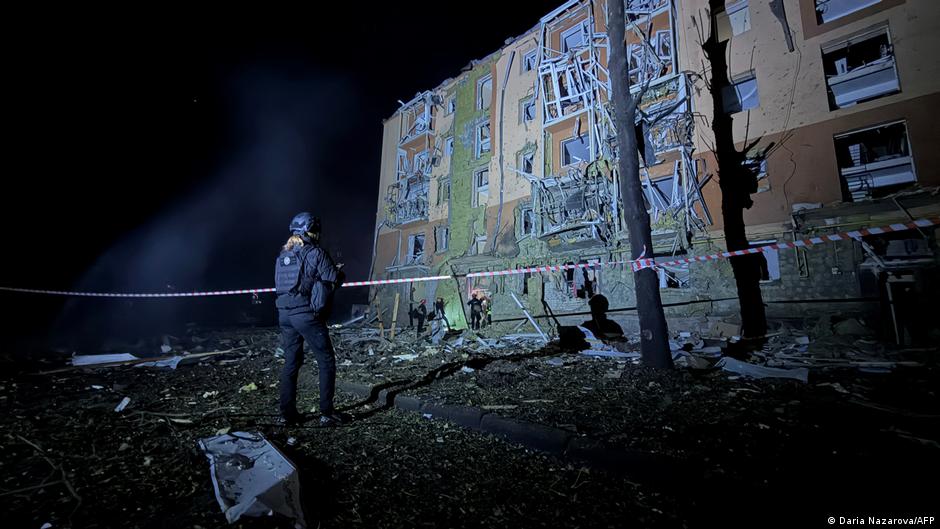
In a series of drone strikes overnight on June 1, the Ukrainian cities of Kharkiv and Odessa experienced significant damage to residential buildings, with multiple injuries reported. Local authorities confirmed that the attacks targeted multi-story apartment complexes, causing fires and structural damage, and affecting the safety of civilians.
Impact on Urban Infrastructure and Communities
Odesa's military administration head Sergey Lysak reported that a Russian drone strike hit a nine-story residential building, partially destroying the first and second floors and igniting a fire. The facade and balconies of the building also suffered damage. Additional fires broke out in two one-story and one two-story non-residential buildings. In total, four residents of Odessa were injured during the night.
In Kharkiv, governor Oleh Synehubov indicated that the strikes damaged a five-story residential building along with nearby garages and vehicles, leading to a fire outbreak. The mayor of Kharkiv, Ihor Terekhov, added that two other districts were hit, damaging at least three private homes. Furthermore, a drone strike was recorded in Bohodukhiv, a town within the Kharkiv region. Three people were injured across the region, including a 34-year-old Kharkiv resident and a 39-year-old from Bohodukhiv.
"The attacks underscore ongoing risks to civilian infrastructure and highlight the need for resilient urban defense measures in conflict zones," said a security analyst.
On the evening of May 30 and into the night of May 31, the Russian Armed Forces launched 229 unmanned aerial vehicles (UAVs) across Ukrainian territory. The Ukrainian Air Force reported successful interceptions of 14 attack drones across 11 locations, with debris from downed drones falling in five other areas.
The strikes extended beyond Kharkiv and Odessa. In Chernihiv region’s Koriukivka district, a drone attack on an industrial facility resulted in one fatality, a 58-year-old man, and ignited a fire at a parking lot that destroyed seven vehicles.
Implications for Tech Startups and the Innovation Ecosystem
These drone attacks, using advanced UAV technology, illustrate the intensifying role of unmanned systems in modern conflicts. For tech startups specializing in drone technology, cybersecurity, and urban safety, the situation presents a complex landscape of challenges and opportunities. The increasing use of drones in warfare accelerates demand for innovations in drone defense systems, detection technologies, and resilient infrastructure solutions.
Venture capitalists and investors focusing on defense tech and smart city innovations may see emerging markets in Ukraine and other conflict zones as critical areas for growth and impact. The urgent need for effective counter-UAV technologies creates potential for startups to develop advanced sensors, AI-powered interception systems, and integrated urban monitoring platforms.
However, the conflict also poses risks to the startup ecosystem, including infrastructure disruptions, investor uncertainties, and operational challenges for businesses operating near conflict zones. Supporting resilience and recovery efforts through targeted investments can help sustain Ukraine’s burgeoning tech community while addressing pressing security needs.