Norway Seizes Russian Research Vessel in Naftogaz Debt Recovery Case
The move extends Ukraine’s cross-border asset enforcement campaign, highlighting geopolitical risk for investors, operators and technology ventures in contested markets.
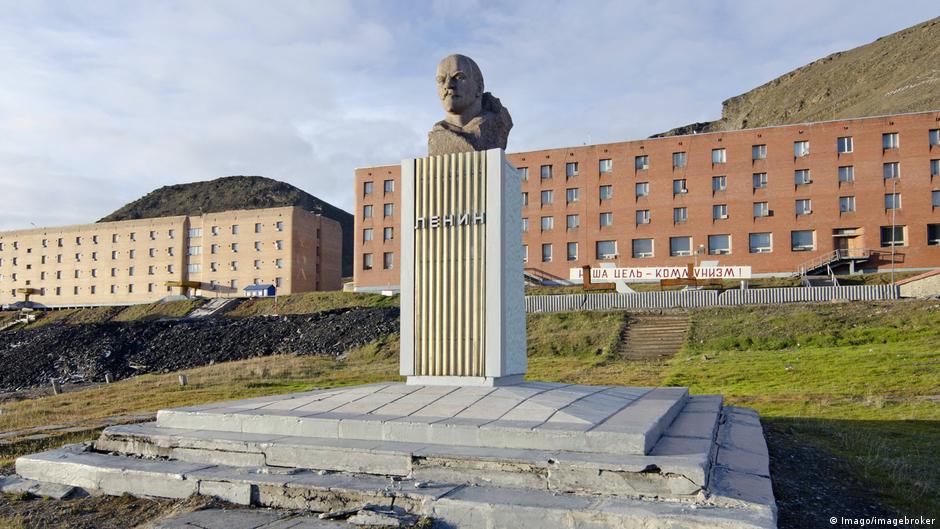
Norwegian authorities have arrested the Russian scientific research vessel Professor Molchanov in the port of Barentsburg on the Svalbard archipelago, acting on a court decision tied to Naftogaz of Ukraine’s effort to recover a debt from Russia. For the technology, energy and investment communities, the seizure is another sign that legal disputes stemming from Russia’s 2014 actions in Crimea continue to reshape the risk profile for companies operating across sensitive jurisdictions.
The governor of Svalbard said on Wednesday, September 2, that the vessel was detained following a ruling by the Nord-Troms district court on August 31. The court authorized the arrest of the ship at the request of the Naftogaz group of companies. According to the governor’s office, the case and the resulting decision form part of the company’s broader attempt to recover funds that Russia expropriated in 2014.
“This legal proceeding and the decision issued are part of the company’s efforts to recover funds expropriated by Russia in 2014,” the governor’s press service said.
Naftogaz also confirmed on its website that the Russian vessel had been arrested as part of the repayment of the Russian authorities’ debt to the company. The ship will remain in Barentsburg until the governor or the Nord-Troms district court decides otherwise.
Authorities said the crew members and passengers would be cared for by the governor and by Arktikugol, the Russian coal-mining company that has maintained a presence on Svalbard since 1931. Arktikugol describes itself as the main Russian organization on the archipelago and says it operates under Russia’s Ministry for the Development of the Far East and the Arctic.
Enforcement risk moves from courtrooms to operating assets
For VentureLine readers, the episode is notable not because it involves a startup directly, but because it underscores how court-awarded claims can migrate from arbitration venues into the physical operating footprint of a state or company. That has implications for capital-intensive innovation sectors such as maritime technology, Arctic logistics, energy services, research operations and industrial software vendors whose business models depend on access to ships, ports and cross-border assets.
Naftogaz initiated arbitration against Russia in 2016 over the loss of assets in Crimea. In February 2019, a court in The Hague ruled in Naftogaz’s favor, finding that Russia had violated its obligations under the agreement with Ukraine on the protection of investments and had illegally expropriated the company’s investments. The court valued the seized assets at $5 billion, or 4.3 billion euros.
Russia’s Justice Ministry responded at the time by saying it would not recognize the Hague ruling and would take all necessary measures to ensure the representation and defense of Russia’s interests. Naftogaz, for its part, said that if Russia refused to comply with the ruling, the company would be entitled under the 1958 New York Convention on the Recognition and Enforcement of Foreign Arbitral Awards to seek compulsory enforcement in countries where Russian assets are located.
That enforcement strategy matters beyond the immediate dispute. Startups and venture-backed businesses increasingly sell into regulated, state-linked or politically exposed sectors, especially in energy, shipping, satellite data, industrial automation and climate technology. Cases like this illustrate that legal exposure is not confined to balance sheets. Assets can become enforcement targets years after an underlying dispute begins, creating a wider diligence burden for founders, lenders, insurers and acquirers.
The seizure of a research vessel is also symbolically important. Scientific and industrial vessels are part of a broader innovation infrastructure, supporting data collection, logistics and specialized operations in remote regions. When such assets become entangled in geopolitical debt enforcement, the result is a reminder that innovation ecosystems do not operate outside sovereign risk. Investors assessing frontier-market exposure, Arctic projects or dual-use technology platforms may see such developments as evidence that jurisdictional complexity can directly affect operating continuity.
The case also fits a larger pattern of Ukraine pursuing Russian-linked assets outside Ukraine. In early June 2026, the district court in the Swedish city of Ystad ruled that the dry cargo vessel Caffa, which had been detained by Swedish authorities in March in the Baltic Sea on suspicion of belonging to Russia’s so-called shadow fleet, would be transferred to Ukraine.
Ukrainian Prosecutor General Ruslan Kravchenko described that decision as the first case in which a foreign court, at Ukraine’s request, approved the arrest of a vessel linked to the removal of Ukrainian products from occupied territories. Ukrainian authorities say the vessel Caffa carried grain in the summer of 2025 from occupied Sevastopol to the Syrian port of Tartus. According to Kravchenko, a false registration scheme was used to conceal that activity.
For founders and investors, the broader takeaway is not a simple retreat from difficult markets, but a sharper focus on legal enforceability, sanction-adjacent exposure and asset traceability. Due diligence in sectors tied to transportation, commodities, infrastructure and state procurement now extends further into vessel ownership, beneficial control, flagging structures and counterparty history. Strategic buyers and venture funds alike are likely to view disputes of this kind as part of the operating environment rather than an exceptional risk.
Norway’s arrest of the Professor Molchanov does not change the underlying Hague award, nor does it resolve the wider Russia-Ukraine legal conflict. But it does demonstrate that enforcement efforts can surface in unexpected places and capture assets that sit close to research, logistics and industrial capability. In markets where startups increasingly intersect with hard infrastructure and geopolitics, that is not just a legal story. It is a capital allocation story.