EU Urges Turkey to Exclude Russian Gas in Future Energy Contracts Amid Regional Shift
Germany’s Economy Minister emphasizes EU’s stance against Russian gas imports during Ankara visit, highlighting impact on regional energy dynamics and trade partnerships.
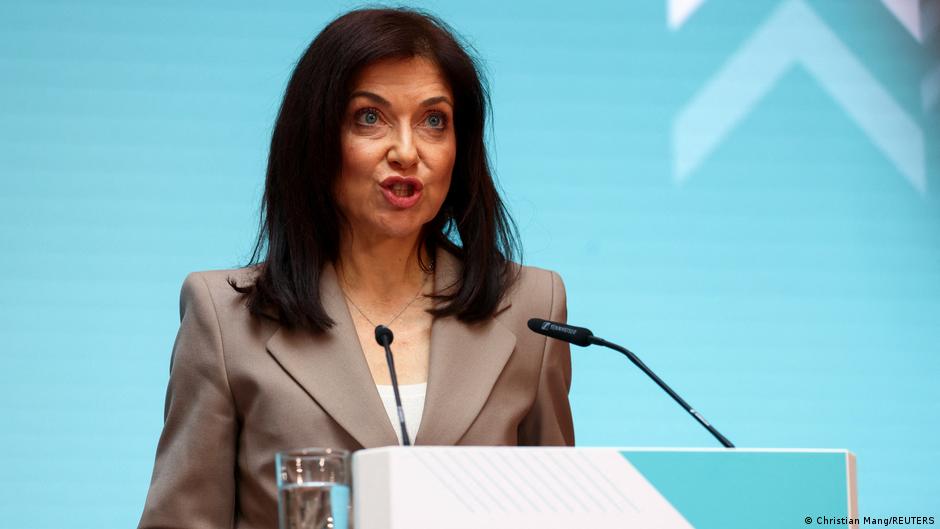
During a two-day visit to Ankara, German Economy Minister Katherina Reiche reaffirmed the European Union’s firm stance that any future energy contracts involving Turkey should exclude gas supplies sourced from Russia. This position underscores the EU’s strategic shift as it seeks to reduce its dependency on Russian energy amid ongoing geopolitical tensions.
Minister Reiche, accompanied by a German business delegation, emphasized that Brussels will insist on non-Russian gas supplies in forthcoming agreements with Turkey. The announcement comes at a critical juncture as Turkey negotiates new gas supply contracts with Moscow, with current agreements nearing expiration.
Regional Energy Transition and Trade Partnerships
Addressing the economic and political dimensions of the EU-Turkey relationship, Reiche highlighted Turkey’s role as the EU’s fifth-largest trading partner and underscored the partnership's near-balanced trade flow. The minister’s meetings included talks with Turkey’s Energy Minister Alparslan Bayraktar, where the mutual interest in securing reliable energy partnerships was a key topic.
“We need Turkey as a reliable trade partner and to achieve common political objectives,” said Reiche, referencing regional conflicts and the EU’s determination to end dependence on Russian raw materials.
Turkey remains the second-largest buyer of Russian gas, yet Ankara is actively positioning itself as a regional gas hub by diversifying its energy sources. However, Turkish officials acknowledge the economic and logistical challenges in quickly replacing Russian gas, signaling a complex transition ahead.
In parallel, Turkish refineries have increased crude oil imports from Iraq and Kazakhstan, reflecting a broader diversification strategy following sanctions imposed by the US, EU, and UK on the Russian oil sector in response to the conflict in Ukraine.
Implications for Tech Startups and Venture Ecosystem
This evolving energy landscape presents both challenges and opportunities for Turkey’s burgeoning tech and startup ecosystem. Energy security and diversification could stimulate innovation in energy technologies, renewable solutions, and smart grid applications. Venture capital firms focusing on cleantech and energy efficiency stand to benefit as Turkey seeks to reduce reliance on Russian energy and invest in sustainable alternatives.
Moreover, the EU’s insistence on excluding Russian gas from future contracts may accelerate Turkey’s engagement with European startups and investors specializing in alternative energy solutions. This dynamic can foster new partnerships, funding rounds, and M&A activities within Turkey’s technology sector, catalyzing growth and integration into the broader European innovation ecosystem.
As Turkey navigates this energy transition, startups addressing energy storage, renewable integration, and grid management could see increased attention from venture capitalists aiming to capitalize on shifting market demands and government incentives.