Russian Convoys Reverse Course After Ukrainian Drone Strike in Libya
Russian military convoys changed course after a Ukrainian maritime-drone strike in Libya, sharpening risks and opportunities for dual-use technology startups.

Russian military convoys changed course after a Ukrainian maritime-drone strike in Libya, sharpening risks and opportunities for dual-use technology startups.

Belarus plans to block Spotify over an alleged VAT debt, highlighting market-access and compliance risks for global platforms and venture-backed startups.

A drone sighting halted Cologne Bonn flights for several hours, underscoring demand for airport detection systems and other security technologies.

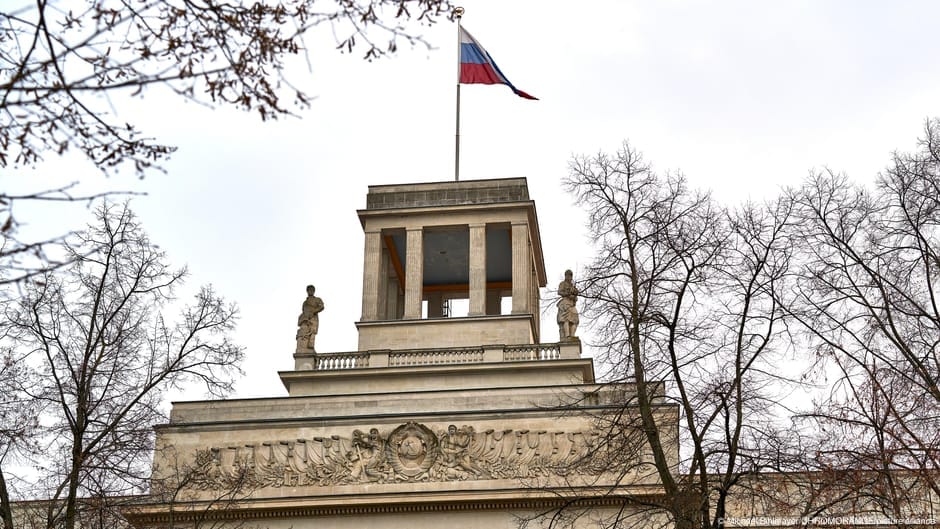
Sweden’s diplomatic clash with Russia adds security and mobility risks for Nordic startups, venture investors and cross-border acquirers.

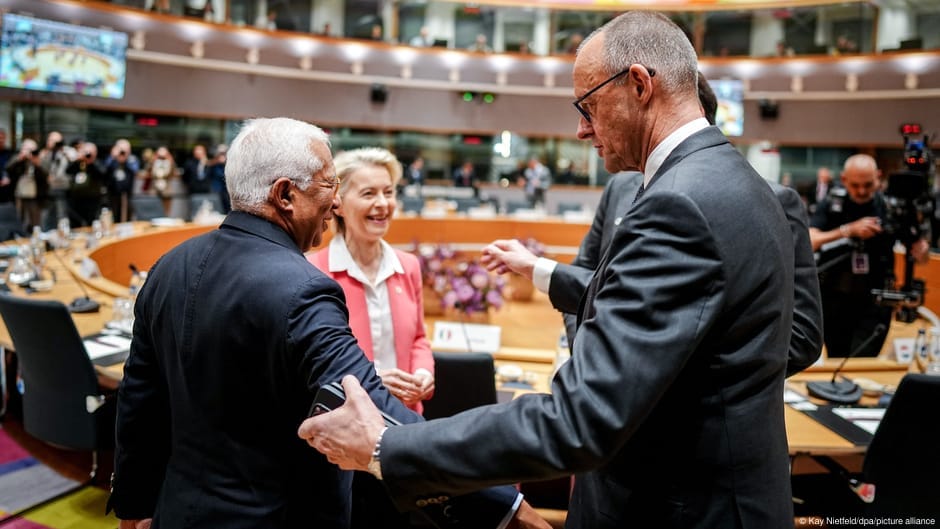
EU leaders ended budget talks early as divisions over spending and debt left Europe’s future innovation and startup funding environment unresolved.

Ukraine’s Benghazi operation adds geopolitical risk for startups and investors exposed to North African logistics, infrastructure and dual-use technology.

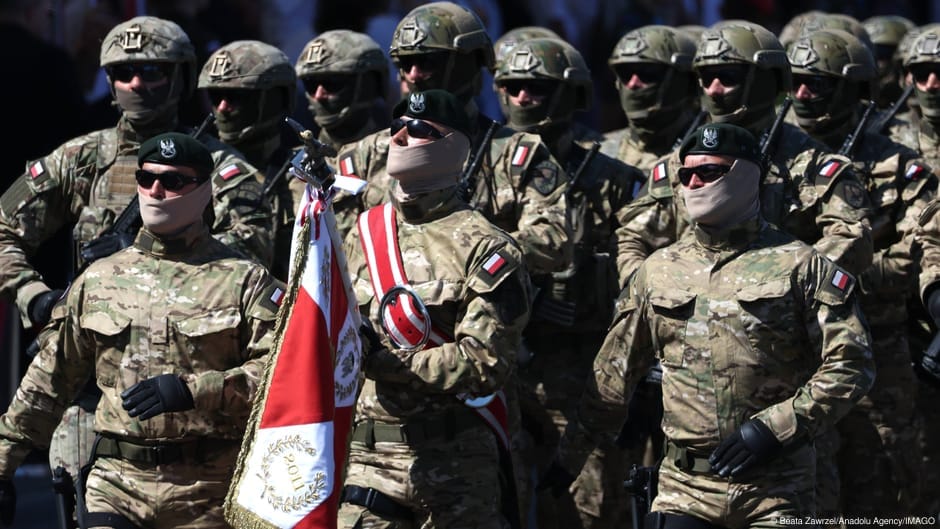
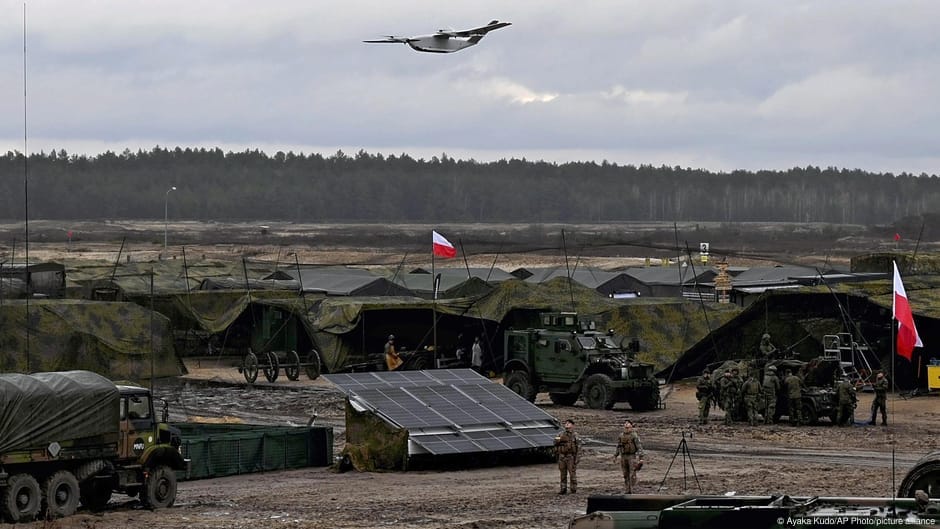
Poland’s planned eastern border no-fly zone may restrict civilian drone operations while creating opportunities for defense and airspace technology startups.

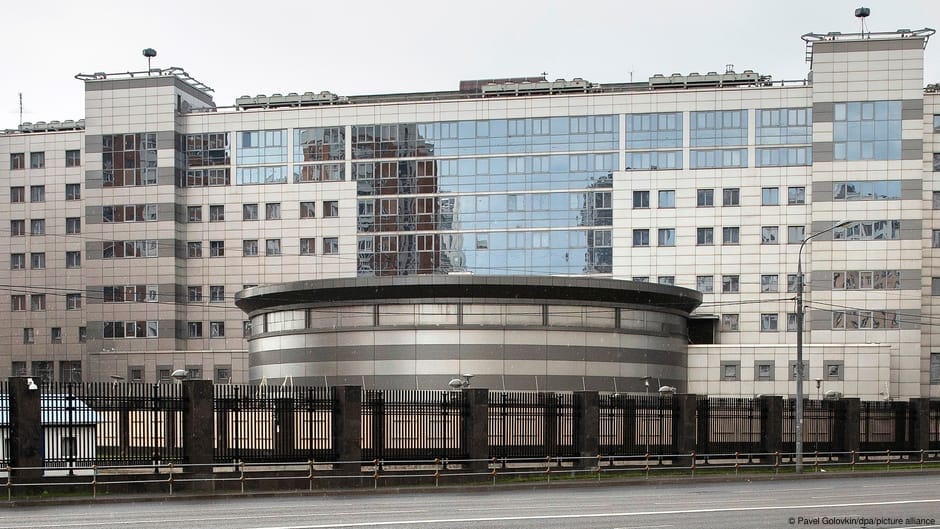
Lithuania’s proposed EU terror listing for Russian military intelligence follows an alleged attack plot against an Estonian drone maker.

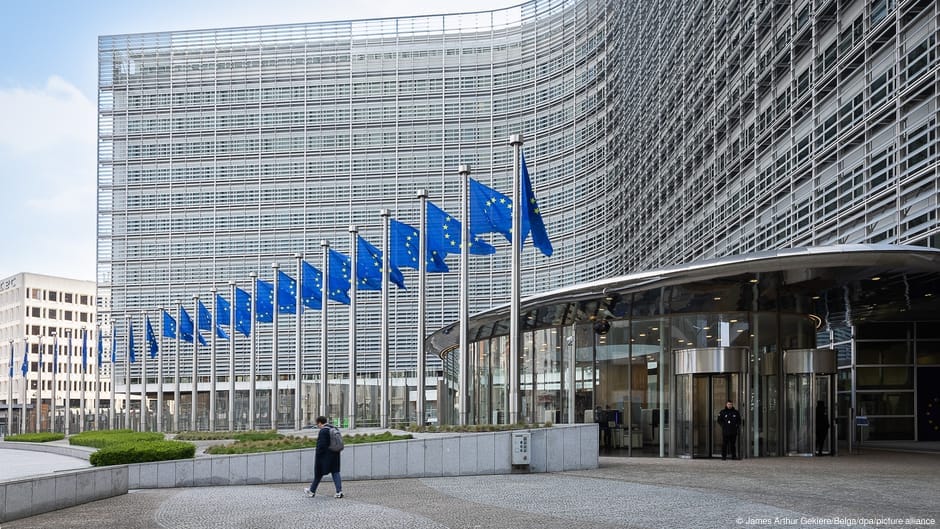
The European Commission’s proposed deficit penalty could tighten Bulgaria’s fiscal room and increase uncertainty for startups relying on public and EU-backed capital.

Huawei’s US conviction intensifies scrutiny of intellectual property, sanctions compliance and geopolitical exposure across telecom startups and venture portfolios.

Russian aircraft briefly entered South Korea’s KADIZ, triggering fighter deployments, a diplomatic protest and scrutiny of emergency-alert technology.

A Russian drone’s brief entry into Polish airspace highlights demand for safer interception, integrated surveillance and NATO-compatible defense technology.

Russia’s expansion of a military settlement near Finland adds geopolitical risk to Nordic startup, investment and technology-sector planning.

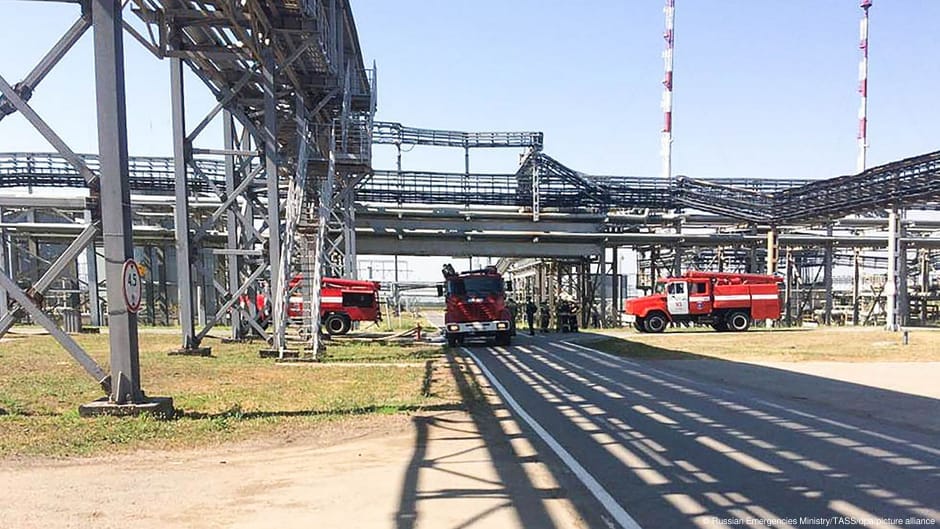
Reported fires near Russian oil assets sharpen investor focus on security, operational resilience and technology demand across the energy ecosystem.

New Pentagon limits preserve NATO and NORAD links but create uncertainty for defense startups, investors and cross-border procurement.

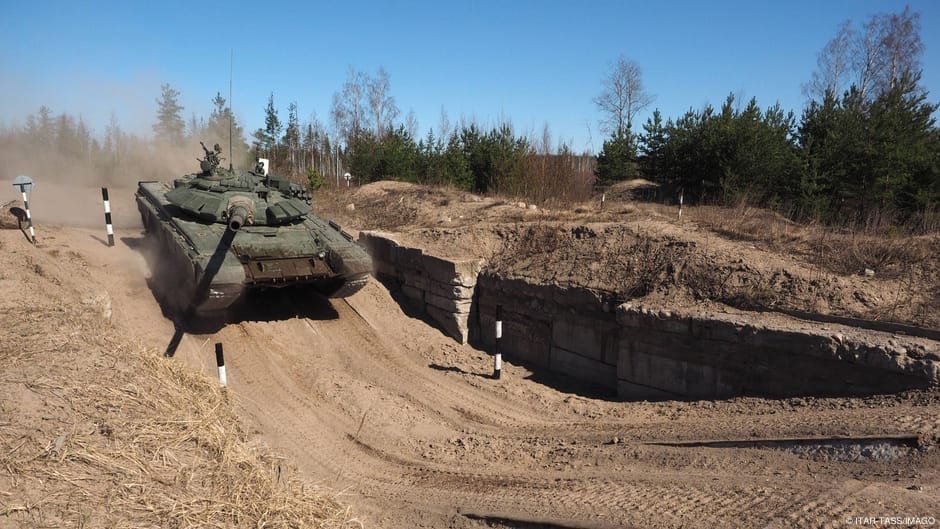
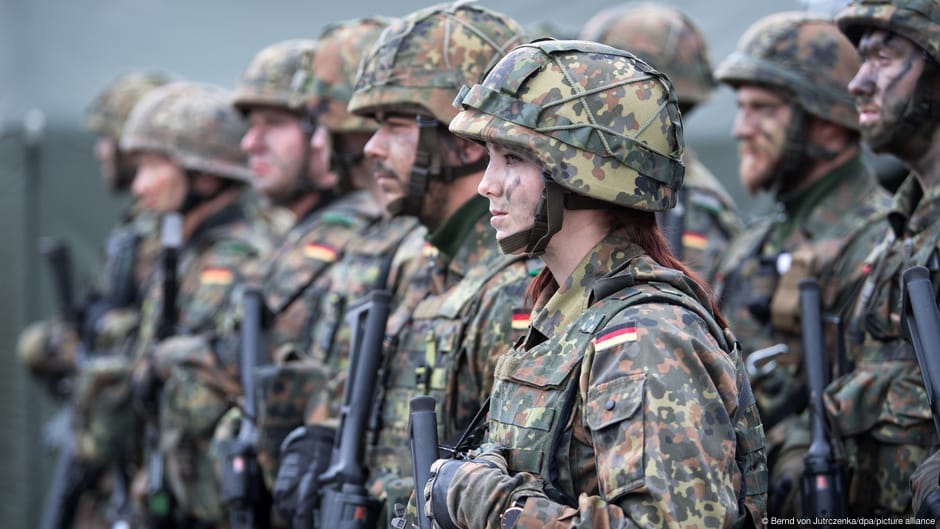
Germany’s decision to move tanks to Lithuania by rail highlights opportunities in dual-use logistics, infrastructure software and defense technology.

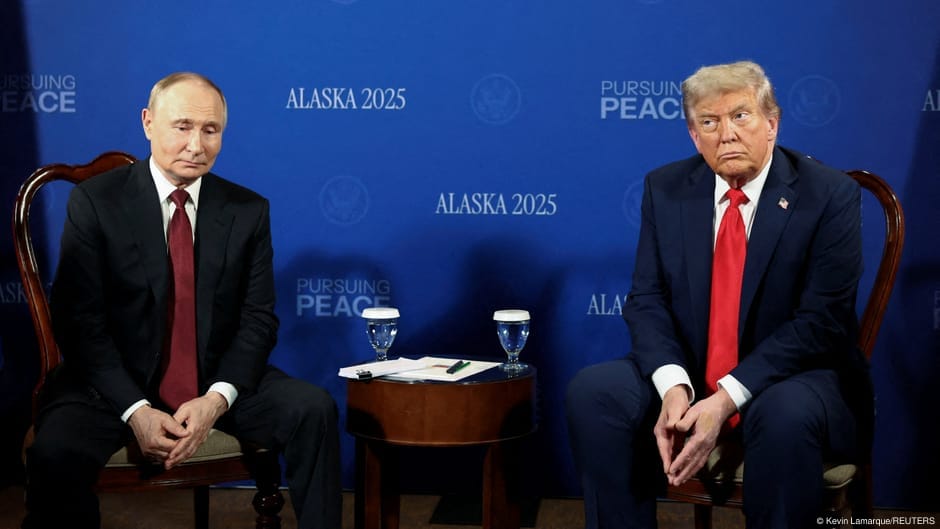
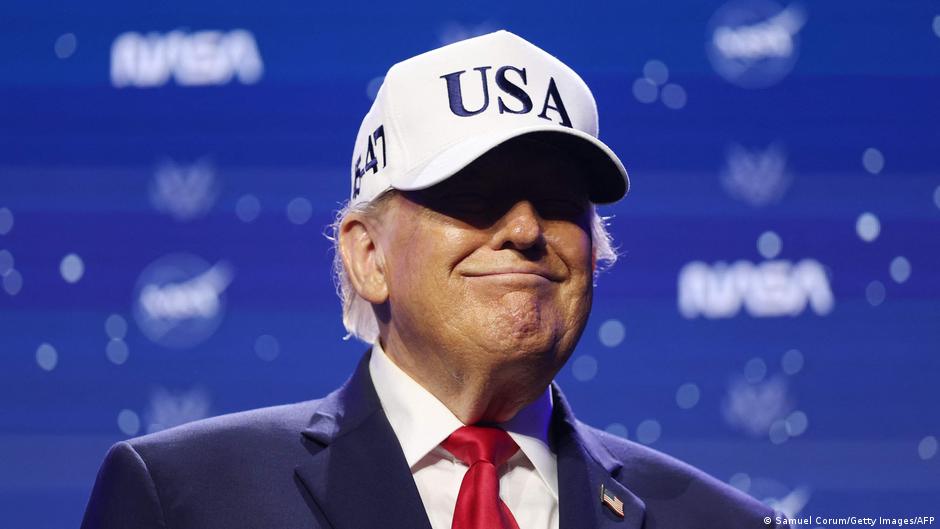
Trump’s drive for a Ukraine agreement before January 2027 could reshape defense-tech funding, startup risk and M&A across Europe.

Germany and Poland are preparing a defense action plan that could expand cross-border opportunities in cybersecurity, advanced technology and industrial supply chains.

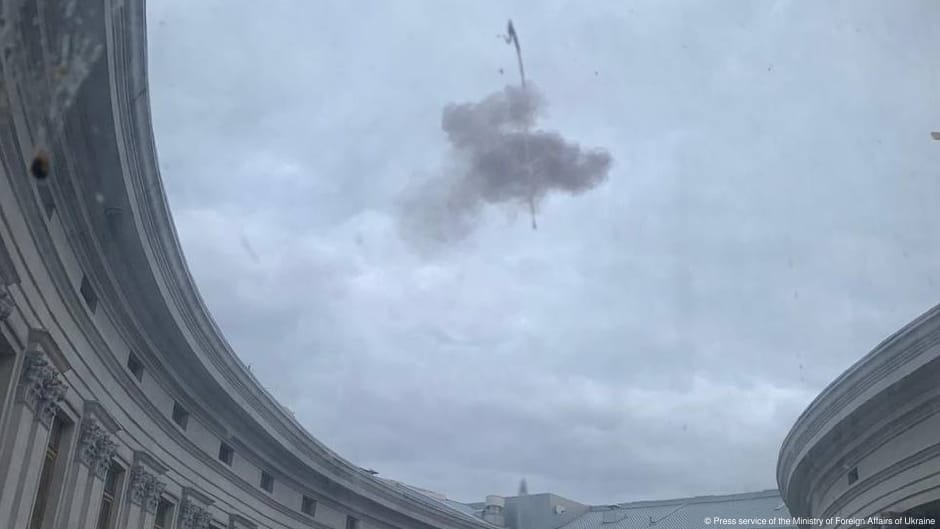
Ballistic missile strikes damaged Kyiv bridges and buildings, intensifying infrastructure and continuity risks for the capital’s startup and investment ecosystem.

Elbridge Colby’s early exit from NATO talks exposes policy uncertainty for Ukrainian defense startups, venture investors and reconstruction-focused technology companies.

Berlin talks on Ukraine aid and European security could influence procurement, venture funding and consolidation across the region’s defense-tech sector.

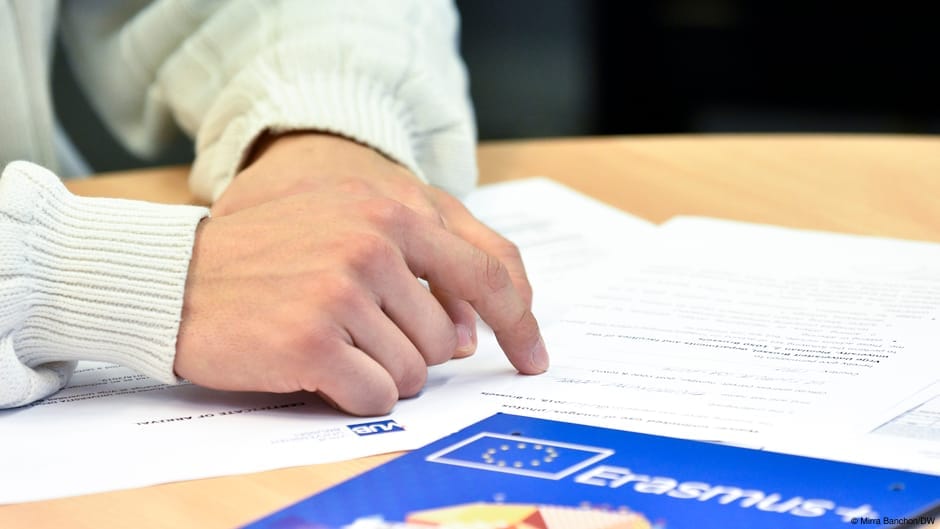
The EU has excluded Russia-based organisations and residents from Erasmus+, narrowing a long-standing route into European academic and startup networks.

Slovenia has halted Russian applications for study and most work visas, complicating relocation and recruitment for startups, founders and technology investors.

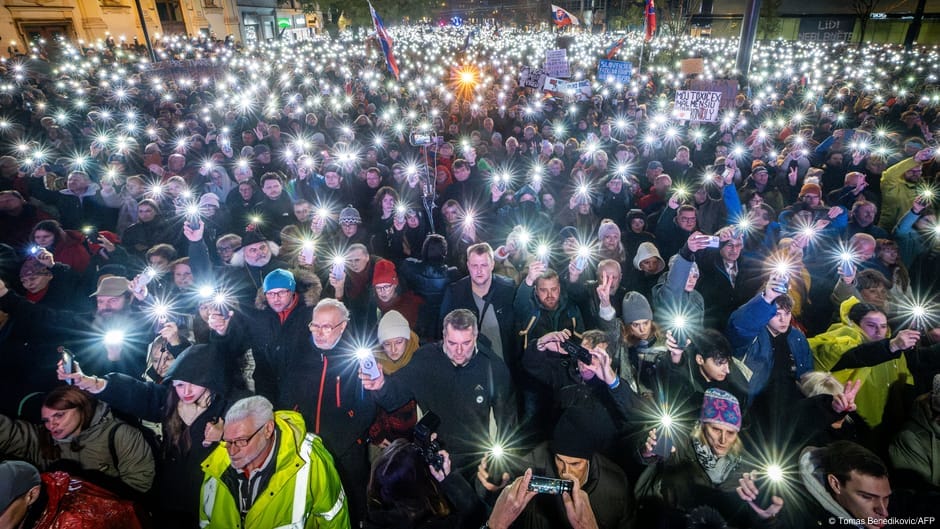
Mass protests against Robert Fico’s government are drawing attention to political and institutional risks facing Slovakia’s startup investment climate.

Reported flows through DB Cargo’s Russian subsidiary highlight sanctions, due-diligence and M&A risks for logistics technology investors.

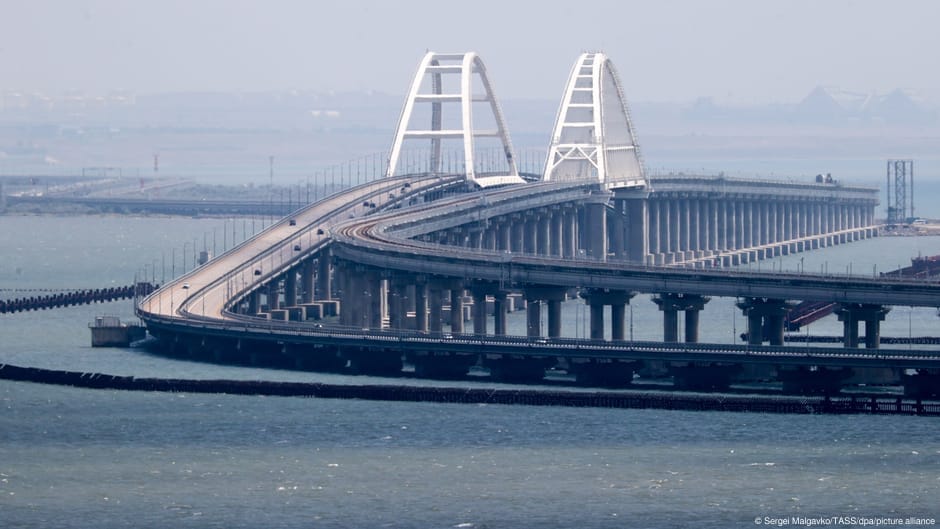
Strikes on Kyiv’s Dnipro bridges and another attack on the Crimean Bridge intensify infrastructure and investment risks for Ukraine’s startup sector.

An Ipsos poll showing persistent German concern about Russia highlights security and energy risks facing startups, venture funds and corporate buyers.

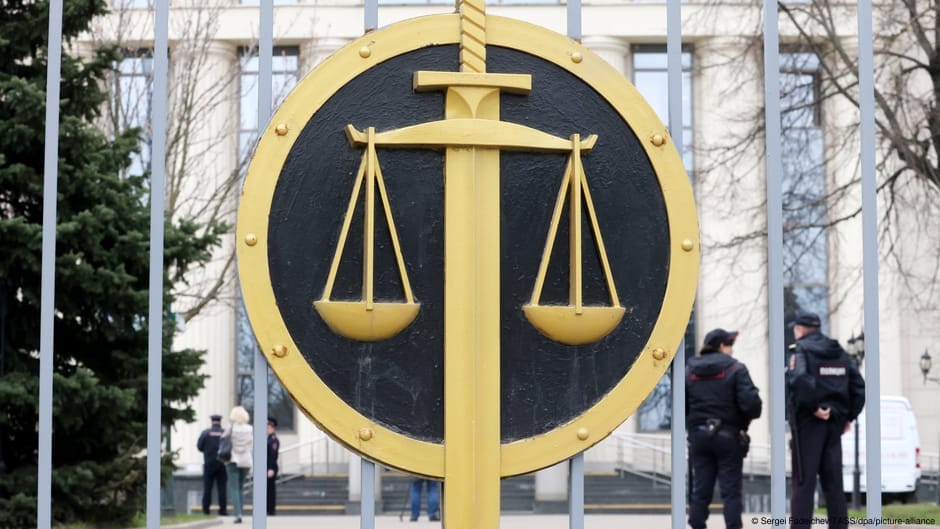
A Russian libertarian party branch has voted to dissolve after its foreign-agent designation, highlighting wider regulatory risks for startups and investors.

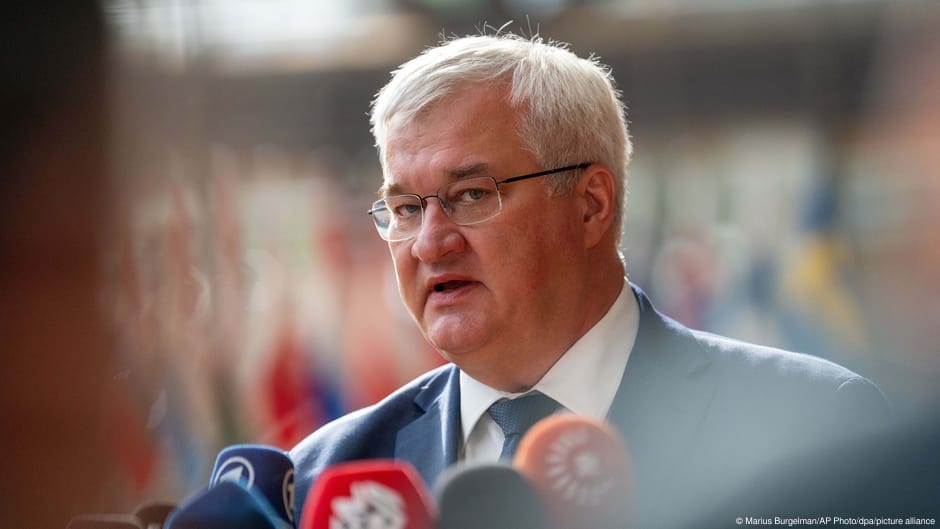
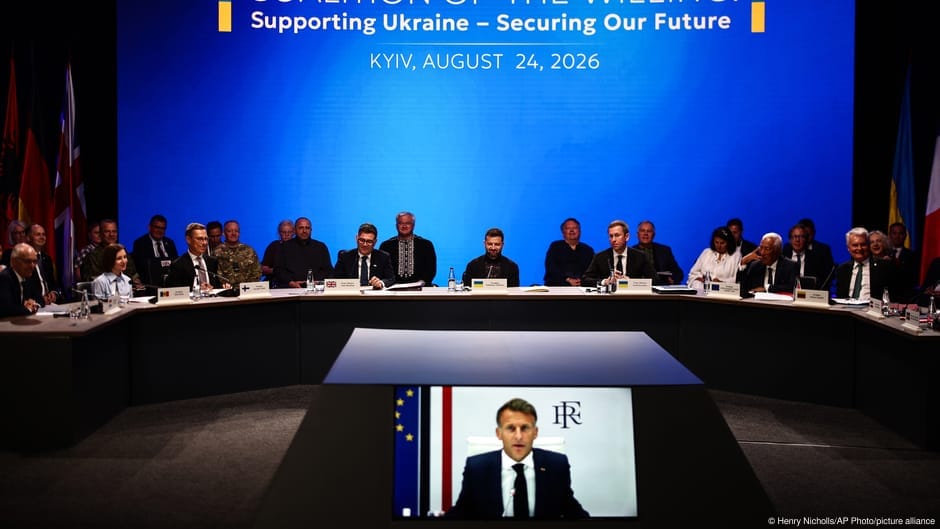
Kyiv is preparing coalition talks to unify Europe’s Russia strategy while reviewing cyber, digital, energy and defense support mechanisms.

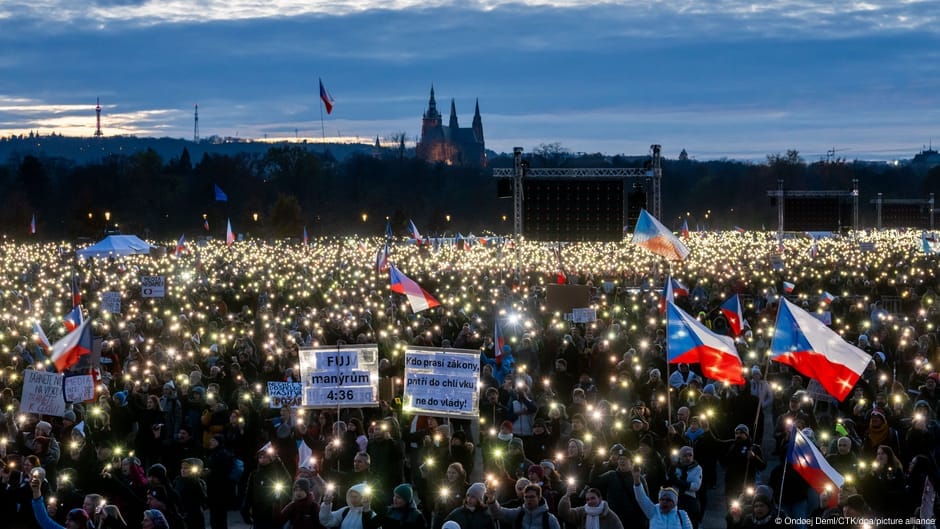
A plan to replace Czech public-media fees with state funding has triggered a mass protest and raised concerns about institutional stability and the innovation economy.

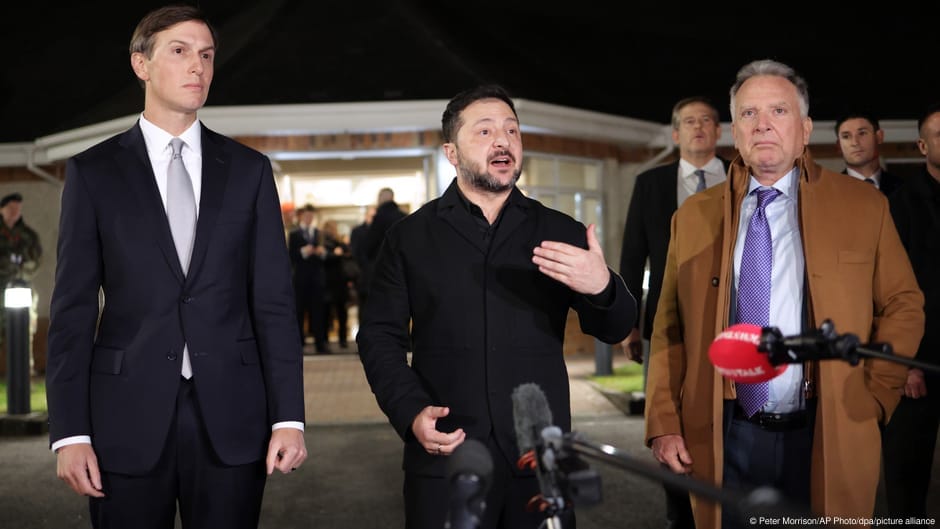
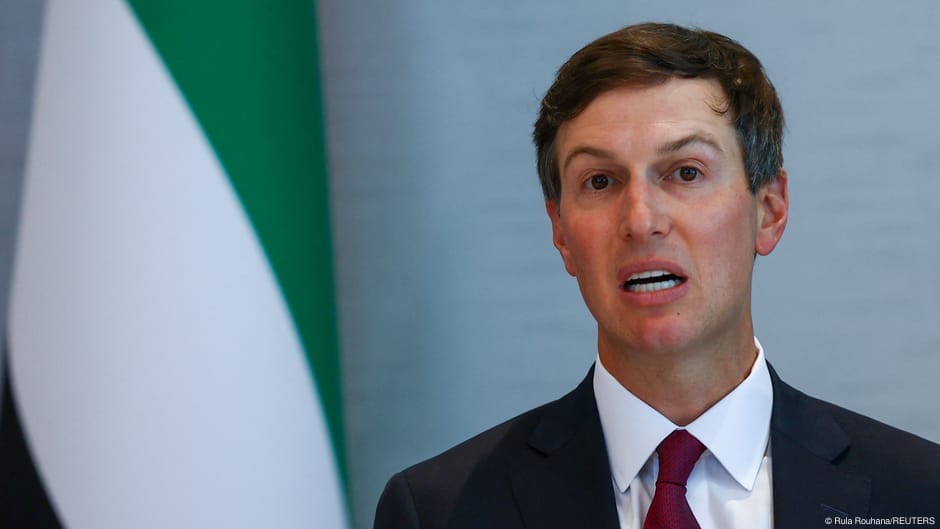
US-led Ukraine diplomacy may influence geopolitical risk assessments, startup financing and cross-border technology deals across Europe.

A smaller US troop withdrawal from Europe could reduce uncertainty for defense startups, investors and strategic suppliers serving NATO markets.

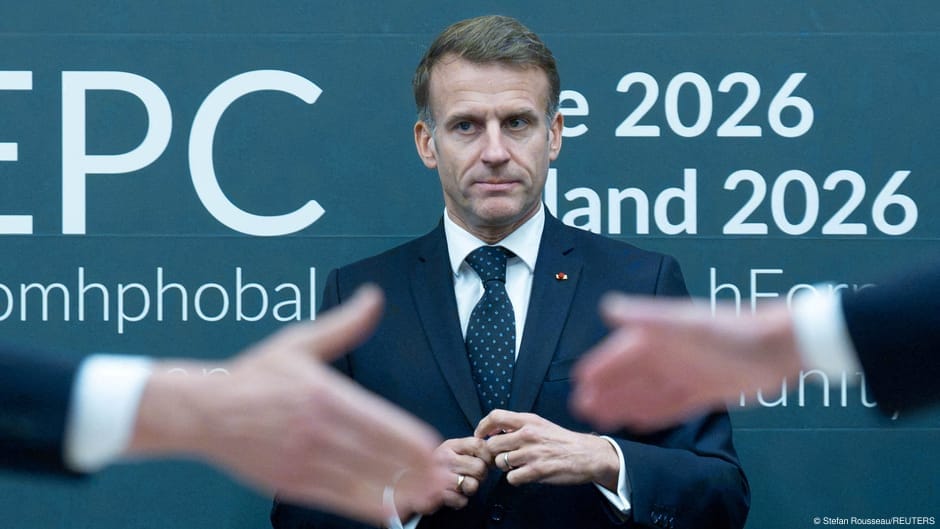
Macron’s call for sustained Ukraine support highlights fiscal divisions that could shape European defense tech, dual-use funding and startup demand.

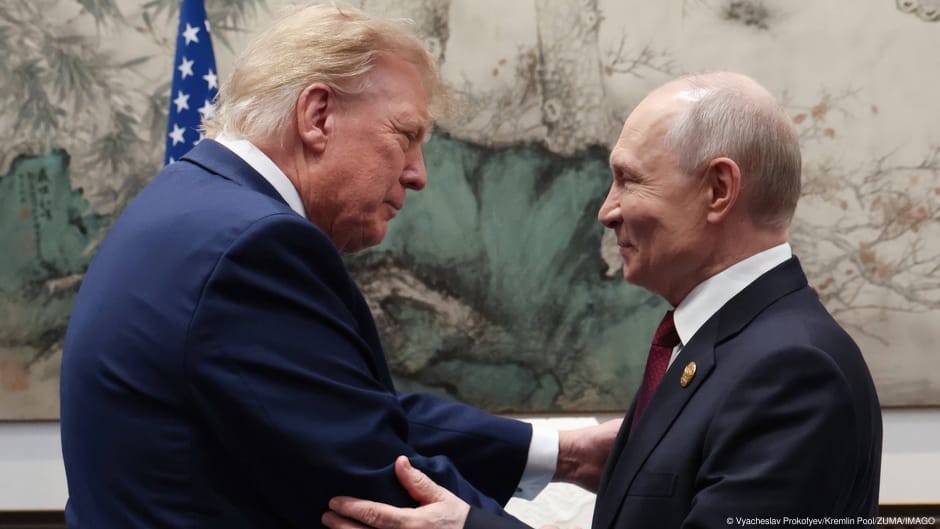
The planned Trump-Putin-Xi meeting in Shenzhen puts geopolitical risks for startups, venture funding and cross-border technology deals under scrutiny.

An FAA ground stop caused by overloaded legacy systems strengthens the case for $50 billion in funding and opens a market for aviation technology providers.

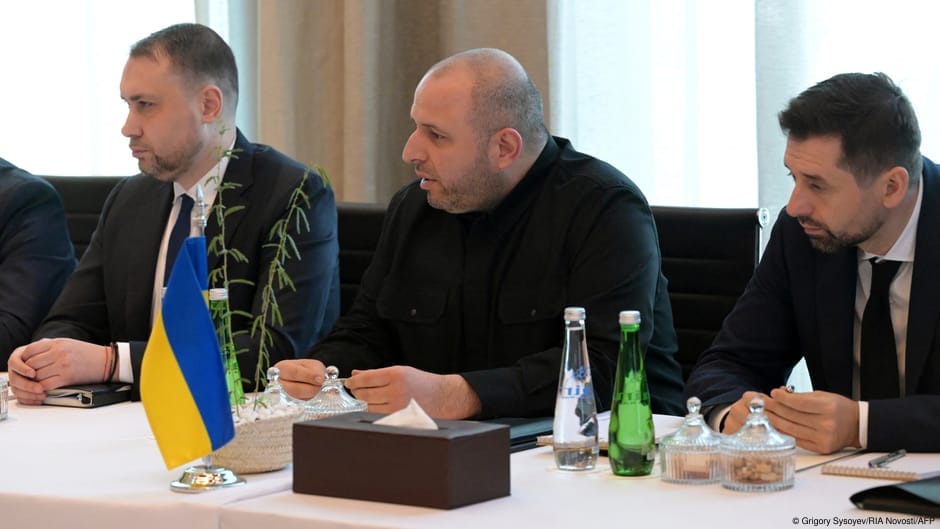
Moscow and Kyiv agreed to include European partners in the next talks, a step that may shape long-term risk assessments for startups, venture funds and technology M&A.

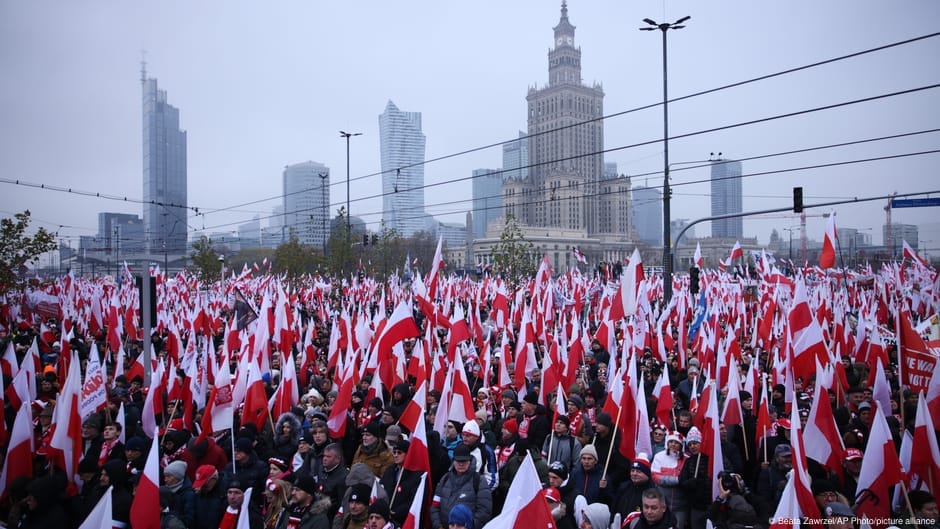
A mass nationalist march joined by Poland’s president puts political stability, international talent and investor perceptions in focus for the startup sector.

Spain’s housing protests expose rising recruitment, operating and investment risks for startups as rents outpace incomes in Madrid, Barcelona and beyond.

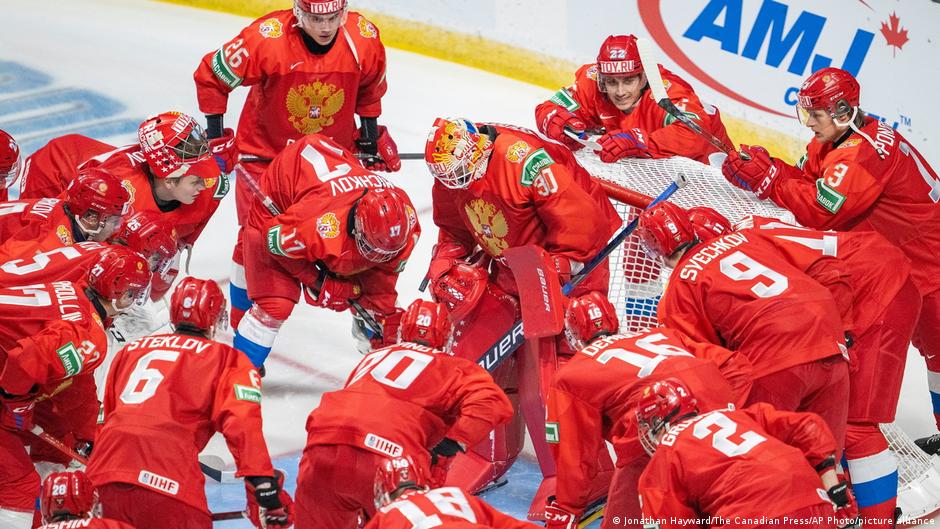
Canada’s plan to bar Russian players from the 2027 junior hockey championship creates operational risks for sports-tech vendors, investors and event partners.

Kyiv and Moscow discussed swapping up to 3,000 prisoners as Abu Dhabi talks turned to territory, energy, the Black Sea and possible de-escalation.

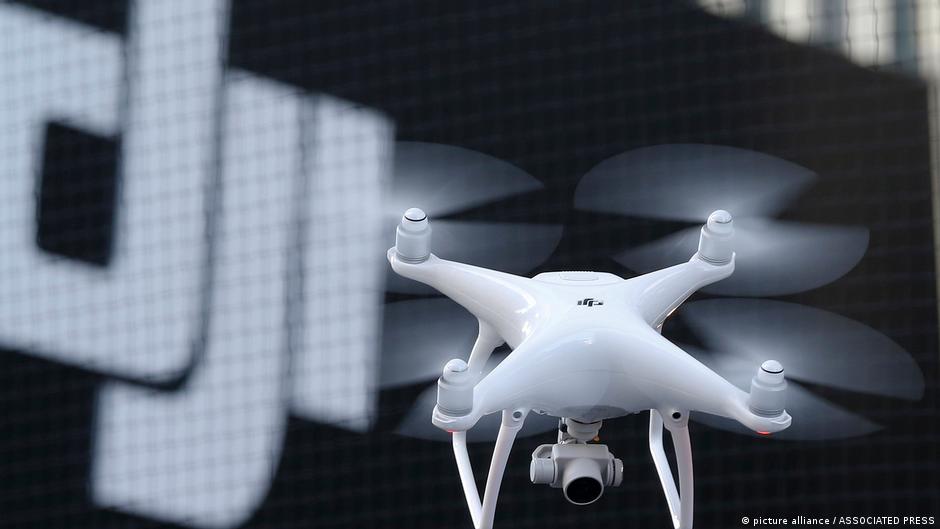
Germany’s ban on Chinese drones and vehicles at military sites could redirect procurement toward European defense and security technology startups.

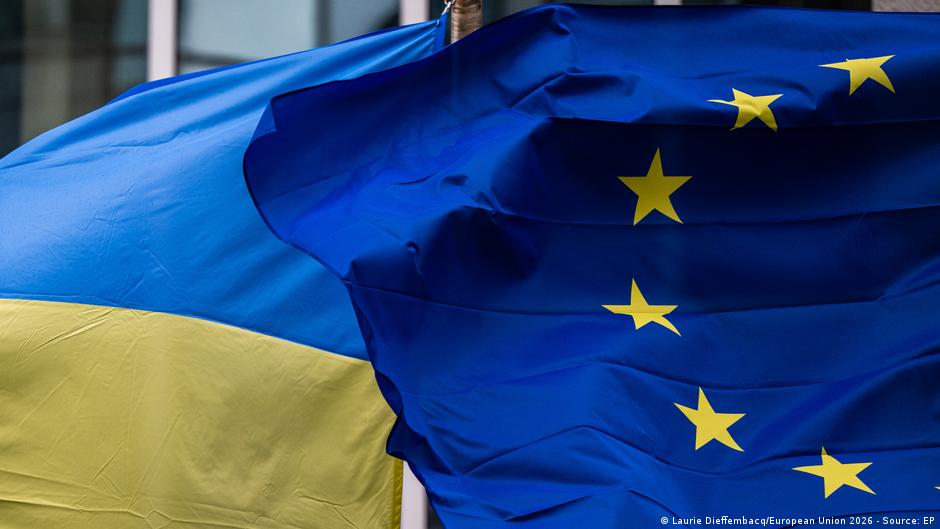
The EU extended its Ukraine military training mission through 2028, creating a longer investment horizon for Europe’s defense and dual-use technology ecosystem.

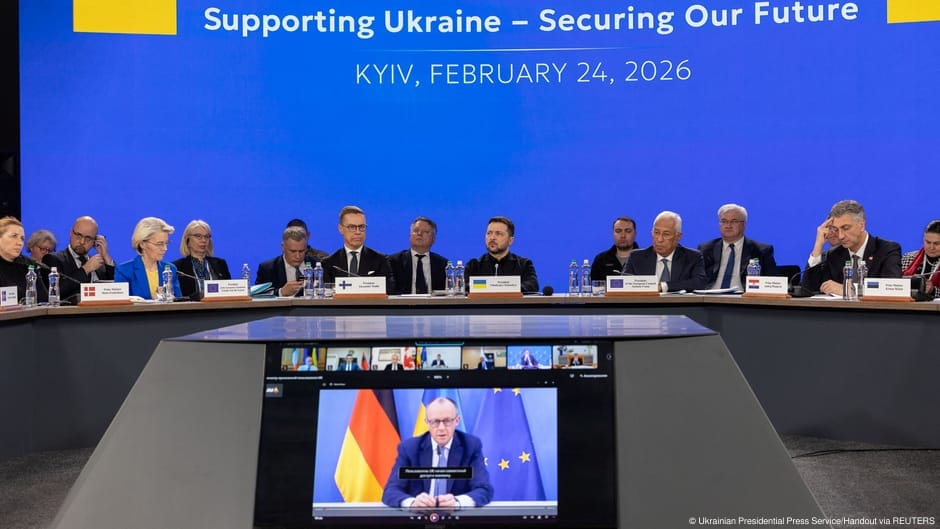
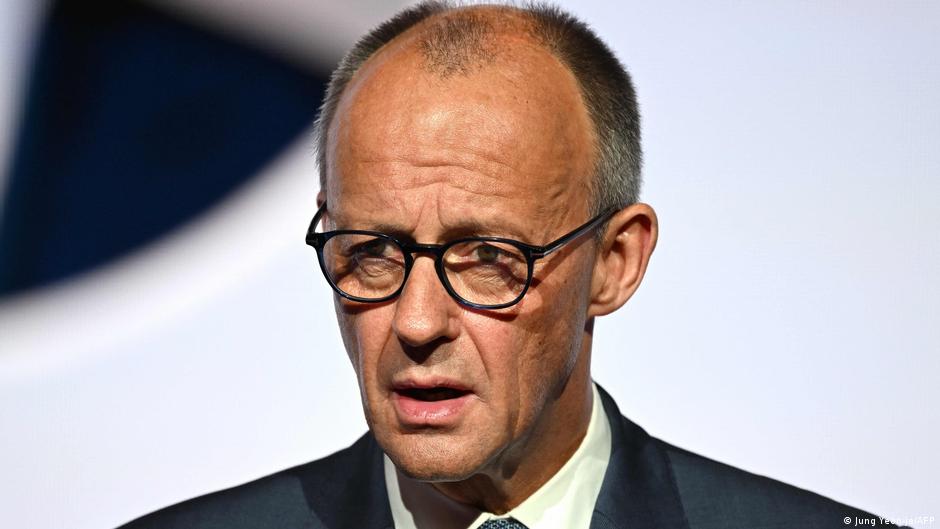
Merz is pressing all EU members to help close Ukraine’s €45 billion funding gap, tying the dispute to wider fiscal decisions affecting Europe’s investment climate.

Moldova’s new power link with Romania reduces energy risk and strengthens the infrastructure and EU alignment underpinning its startup economy.

A reported drone strike on the KINEF refinery underscores infrastructure, sanctions and funding risks facing startups and investors in Russia’s northwest.

Trump’s order for a Justice Department probe of Democrats adds political and regulatory uncertainty for US startups, venture investors and technology dealmakers.

At least 350 Russian conscripts have died in Ukraine, adding to workforce and investment risks confronting Russia’s technology startup ecosystem.

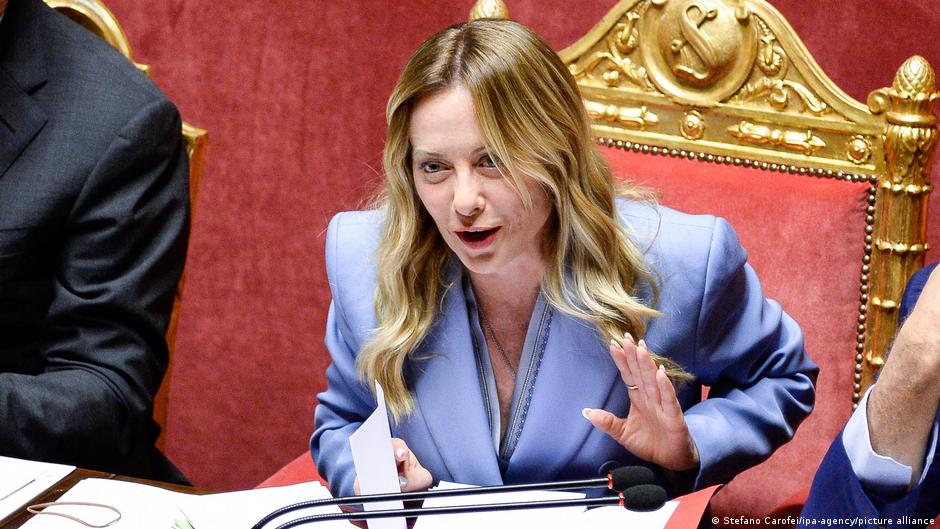
Giorgia Meloni is pressing the EU to choose a single Ukraine peace envoy, as diplomatic fragmentation adds uncertainty for European startups and investors.

Kharkiv language school co-founder Alexandra Kazarovitskaya died in Russian custody after being detained during a family trip to annexed Crimea.

Germany plans an additional €100 million for Ukraine’s critical infrastructure, helping protect the operating environment for technology companies and investors.