Finland Removes Nuclear Weapons Ban, Marking Strategic Shift with Potential Impact on Tech and Security Startups
Finland’s amendment to its nuclear energy law lifts the ban on nuclear arms import and storage, signaling new security dynamics that may influence the tech and defense innovation landscape.
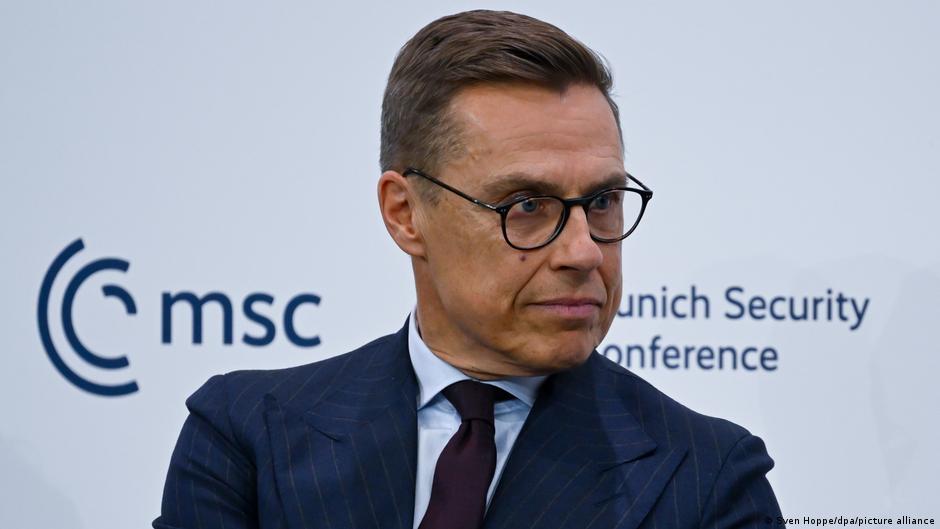
In a significant policy shift, Finland’s president Alexander Stubb has signed amendments to the country’s Atomic Energy Act, removing the longstanding prohibition on the import and deployment of nuclear weapons on Finnish soil. The changes, which take effect from July 1, mark a strategic recalibration in Finland’s security posture amid evolving geopolitical tensions in the region.
On March 17, the Finnish parliament approved the amendments with a vote of 125 in favor and 61 against, reflecting broad political consensus. Defense Minister Antti Häkkänen hailed the reform as "historic," emphasizing that it "strengthens the security of Finland and the entire NATO alliance." President Stubb clarified that Finland does not intend to station nuclear weapons during peacetime, but the legal framework enables nuclear deterrence—a measure intended to ensure that nuclear arms are never deployed.
Implications for the Innovation and Venture Landscape
This legislative development extends beyond national security to reshape Finland's position within the broader technological and startup ecosystem. Finland’s integration into NATO and the enhanced security framework may stimulate growth in sectors such as cybersecurity, defense technology, and dual-use innovations.
Tech startups focused on advanced security solutions, nuclear detection technologies, and resilient infrastructure stand to gain from increased government and alliance-driven investments. Venture capital flows are likely to pivot towards firms developing cutting-edge defense-related technologies, including artificial intelligence applications for threat analysis and secure communications.
"The amendment not only fortifies Finland’s national defense but also opens avenues for innovation in security technologies, attracting venture capital and fostering a robust startup ecosystem," said a regional defense analyst.
Finland’s strategic orientation also comes amid heightened tensions with Russia, which previously warned of "retaliatory measures" should nuclear weapons be stationed on Finnish territory. In response, Finnish officials, including Häkkänen, have asserted readiness for Moscow’s reaction, suggesting the legislative change may reduce the risk of Finnish territory being targeted by military aggression.
Moreover, Finland’s exit from the Ottawa Convention in January, which bans anti-personnel mines, citing Russia’s aggressive use of landmines, further underscores the country’s pivot towards a more assertive defense policy. These moves collectively influence the geopolitical security environment, driving innovation demand and creating new opportunities for startups operating at the intersection of technology and defense.
Since announcing its NATO membership application in May 2022, following Russia’s full-scale invasion of Ukraine, Finland officially joined the alliance in April 2023, establishing a new security partnership that deepens its integration into the Western defense architecture. This move is expected to channel more resources into technological advancements aligned with NATO standards and collaborative defense projects.
Looking ahead, President Stubb has urged Europe to engage in direct dialogue with Russia, emphasizing the urgency for diplomatic solutions to regional security challenges. Meanwhile, Finland’s legal and strategic adaptations continue to reshape its innovation ecosystem by aligning national security priorities with technology-driven economic growth.