Forest Fire Near Paris Raises Concerns on Startup Ecosystem Amid Climate Risks
The Fontainbleau wildfire, caused by suspected arson, underscores growing climate challenges impacting European tech hubs and venture investments.
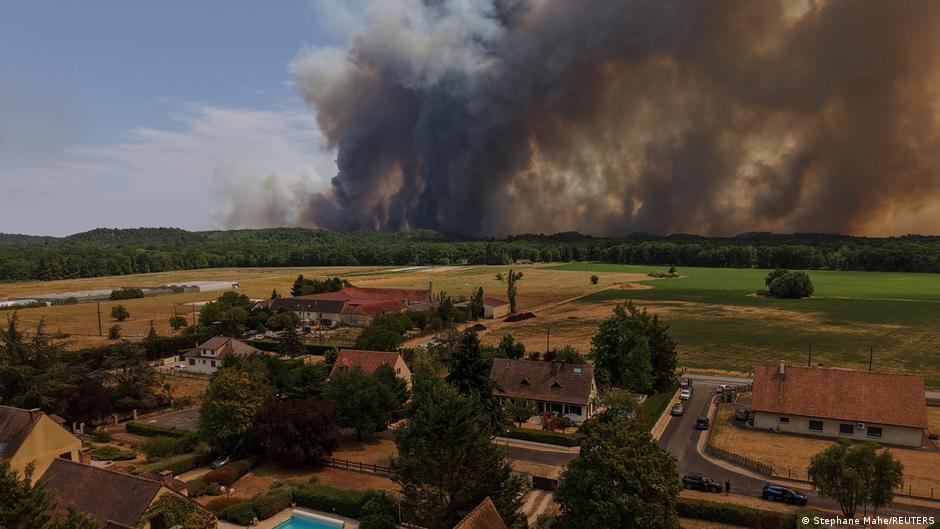
In mid-July, a massive wildfire erupted in the Fontainbleau forest, located about 60 kilometers southeast of Paris. Authorities have detained two individuals on suspicion of intentional or accidental arson, signaling heightened scrutiny on human factors behind escalating climate-related disasters.
The fire devastated over 1,300 hectares of forest, forcing the evacuation of around one thousand residents and mobilizing a large firefighting response involving 600 personnel, four Canadair water bombers, two Dash planes, and three helicopters. The operation entailed 187 water drops, yet teams continued battling the blaze overnight.
Implications for Tech Startups and Venture Capital
While the immediate focus remains on containment and recovery, the Fontainbleau fire highlights broader vulnerabilities impacting the innovation ecosystem in France and Europe. The region's tech startups, many of which are clustered around Paris, face increasing operational risks due to climate change-induced extreme weather events.
"The persistence of wildfires and heatwaves poses direct threats to infrastructure, supply chains, and workforce stability," commented an expert in climate risk for technology firms. "Startups operating physical sites must reassess location strategies and emergency preparedness, which can increase costs and deter investment."
Moreover, the wildfire coincides with a wider pattern: France is experiencing its third heatwave this year, with wildfires destroying 32,000 hectares nationally—double the amount from the same period last year. Authorities have detained 59 individuals across the country linked to negligent or deliberate fire setting, underscoring challenges in managing environmental hazards.
For venture capital firms, the increased frequency of such events introduces new risk considerations in portfolio management. Investment due diligence now extends to evaluating environmental resilience and sustainability measures within startups. As a result, there is growing interest in climate-tech startups developing fire prevention, monitoring, and emergency response solutions.
"Climate risks are no longer peripheral; they are central to investment decisions affecting the European tech landscape," said a venture capital analyst specializing in sustainability.
Simultaneously, regional infrastructure disruptions such as highway closures caused by the fire impact logistics and daily operations for emerging businesses, potentially slowing growth and market expansion. This environment emphasizes the need for innovation in adaptive technologies and resilient urban planning.
The Fontainbleau wildfire serves as a stark reminder that climate change is reshaping the operational realities for tech ecosystems and accelerating shifts in venture capital priorities toward sustainability and risk mitigation.