Steinmeier Urges Europe to Counter Russia and US Ruthlessness with Rule-Based Model
German President Steinmeier calls for Europe to uphold international order amid changing global power dynamics and rising extremism.
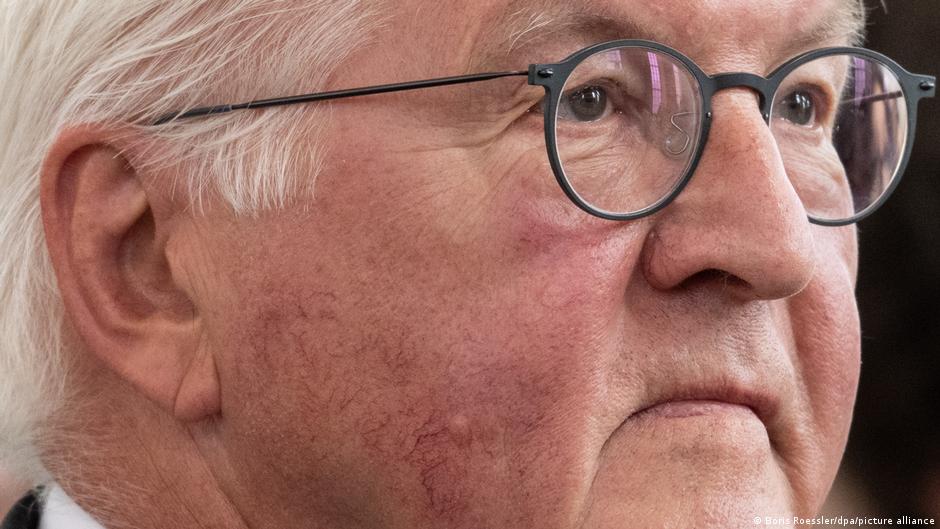
In a recent summer interview with German broadcaster ZDF, Federal President Frank-Walter Steinmeier emphasized the need for Europe to respond to what he described as a "new spirit of ruthlessness" promoted by Russia and the United States. He highlighted the geopolitical shifts triggered first by Russia's invasion of Ukraine and then by changes in US values, framing these as a "double epochal break" that demands a distinctive European answer.
Implications for European Tech Startups and Innovation Ecosystem
Steinmeier’s call to reject the power politics typical of great powers signals a deeper challenge for the European innovation ecosystem and its venture capital landscape. Unlike the perceived zero-sum, often ruthless approaches of Moscow and Washington, the German president advocates a model based on international law and rules. For startups and VC investors, this vision underscores the importance of a stable, rules-based environment that can foster innovation and cross-border collaboration without unpredictable political interference.
"We cannot act like them. We need international order, law, and rules," Steinmeier stated, stressing the contrast with Russia and the US.
This stance is particularly relevant as startups increasingly operate in globally connected markets influenced by geopolitical tensions. Venture capital flows, mergers and acquisitions, and innovation partnerships depend heavily on predictable regulatory frameworks and diplomatic cooperation, which Steinmeier sees endangered by the current global dynamics.
Moreover, Steinmeier’s endorsement of a "pragmatic approach" to relations with the United States suggests that, despite tensions, transatlantic cooperation remains crucial for Europe's technology sector. The US remains a significant source of venture capital and technological innovation, and maintaining constructive dialogue is vital to safeguard these ties.
On the domestic front, Steinmeier praised a recent large social reform package introduced by Germany’s ruling coalition led by Chancellor Friedrich Merz. He acknowledged these reforms as an important step but emphasized that their success hinges on whether they can stimulate economic growth. From the venture capital perspective, a growing economy is essential for fostering startup creation, scaling, and attracting investment.
Steinmeier also cautioned against complacency regarding the rise of the far-right Alternative for Germany (AfD) party, which is leading in polls ahead of key regional elections in eastern Germany. While election results are not yet final, the growing support for extremism poses risks to democratic stability and social cohesion, both critical for a healthy innovation environment.
Given that the regions holding elections contribute a smaller fraction of Germany’s overall electorate, Steinmeier urged voters and centrist parties to prevent extremists from gaining absolute majorities, underscoring the broader implications for Germany’s democratic system.
His message reflects the broader challenge facing Europe’s venture ecosystem: sustaining democratic institutions and social trust to maintain a fertile ground for innovation and investment amid increasing political polarization and external pressures.
As Europe navigates these geopolitical and domestic challenges, the role of startups and VCs as drivers of economic resilience and technological leadership becomes more critical. Steinmeier’s vision for a Europe grounded in law and cooperation provides a blueprint that could inform policies fostering a more robust and competitive tech sector.