US Military Strikes Iran Near Strait of Hormuz Amid Rising Regional Tensions
New US attacks aim to disrupt Iran’s ability to target commercial shipping, escalating instability affecting global trade and regional security.
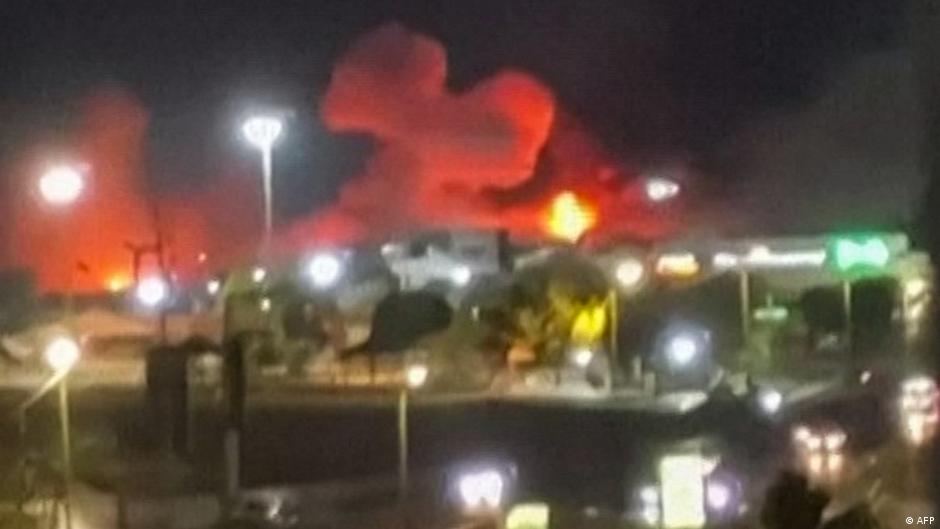
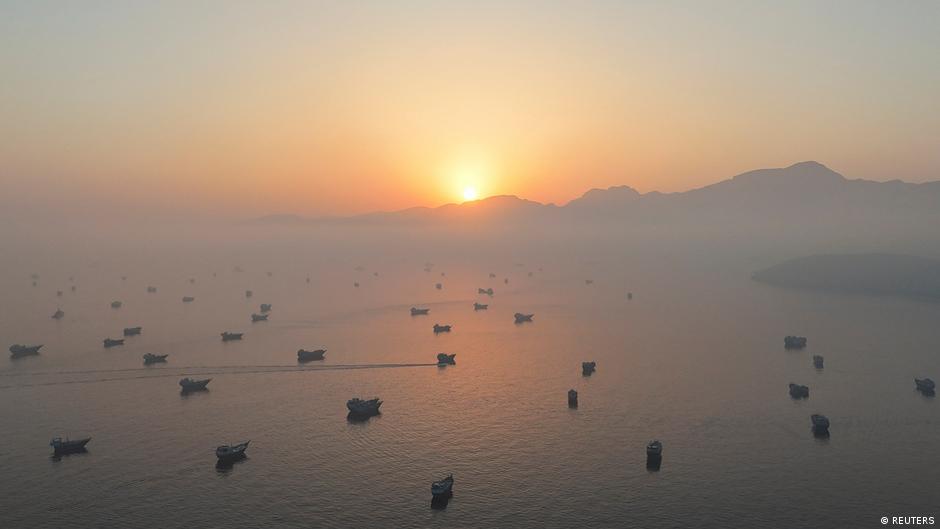
The US military has launched a fresh series of strikes against Iranian targets near the Strait of Hormuz, aiming to undermine Iran’s capability to attack civilian vessels transiting this critical maritime passage. The escalation follows Iranian retaliatory attacks on Gulf countries after previous US strikes.
Strategic Impact on Regional Stability and Global Commerce
On the night of July 13, the US Central Command (CENTCOM) announced renewed military operations targeting Iranian military infrastructure. The stated objective is to neutralize threats posed by Iran to commercial and civilian shipping navigating the Strait of Hormuz, through which an estimated 20% of the world’s oil trade passes.
"The supreme commander has ordered these strikes to deter the Iranian regime," CENTCOM stated on social media platform X.
Iranian state media reported explosions near key locations west of Bandar Abbas, including the cities of Sirik, Jask, and the island of Qeshm. Pro-government agency Mehr News reported casualties on Qeshm, with one dead and two wounded.
In response, Iran’s Islamic Revolutionary Guard Corps (IRGC) declared the Strait of Hormuz closed indefinitely until American military interventions cease. However, CENTCOM rejected this claim, affirming that navigation continues uninterrupted and that Iran does not control the strait. US President Donald Trump echoed this stance on July 12.
The renewed US strikes come after a large-scale operation on July 12, involving approximately 140 Iranian military targets including missile storage sites, drone facilities, and communication hubs. These strikes were in response to an IRGC attack on the container ship GFS Galaxy in the strait, which Iran said involved warning shots fired due to the vessel’s alleged deviation from Tehran-approved routes.
Following the US strikes, Iran launched attacks on Gulf states and Jordan, targeting US military bases such as Al Udeid Air Base in Qatar and the port of Duqm in Oman, which Iran claims serves US aircraft carriers. Tehran also reported the disabling of a second ship in the Strait of Hormuz on the same day.
These events undermine a June 17 framework agreement between the US and Iran designed to halt hostilities and reopen the strategic waterway. Since late June, repeated Iranian attacks on civilian vessels and US retaliatory strikes have escalated tensions, with both sides accusing each other of violating the ceasefire.
US President Trump declared on July 8 at the NATO summit in Ankara that the memorandum with Iran was no longer valid, describing Iranian leaders as "evil, sick people" and dismissing direct negotiations, though he allowed US diplomats to continue discussions if desired. Concurrently, the US reinstated oil sanctions against Iran.
On July 11, it was reported that Iranian officials privately blamed "uncontrollable elements within their system" for the recent attacks on vessels, acknowledging errors and expressing willingness to engage in dialogue. However, negotiations on managing the strait’s security ended without breakthroughs the same day.
Implications for Startups and Venture Capital in Regional Tech Ecosystem
The ongoing conflict and instability in the Strait of Hormuz region have significant implications beyond geopolitical and energy security concerns. The volatile environment poses heightened risks for startups and venture capital firms investing in the Gulf and Middle East technology ecosystems. Supply chain disruptions, increased security costs, and investor uncertainty can dampen innovation momentum and delay market expansion efforts.
Many tech startups in the region rely on secure and stable trade routes for hardware components and international partnerships. Increased military tensions may necessitate revised risk assessments by venture capital investors, potentially shifting focus to safer markets or emphasizing sectors less vulnerable to geopolitical shocks, such as digital services over hardware manufacturing.
Moreover, the escalation could accelerate government efforts to diversify economies away from oil dependence toward tech-driven innovation hubs. This dynamic presents opportunities for startups specializing in defense technologies, cybersecurity, and logistics solutions designed to navigate conflict-related challenges.