Former Bulgarian President Rumen Radev's Coalition Leads Parliamentary Elections with Over 40%
Radev's Progressive Bulgaria coalition gains significant electoral support amid anti-corruption protests and political instability.
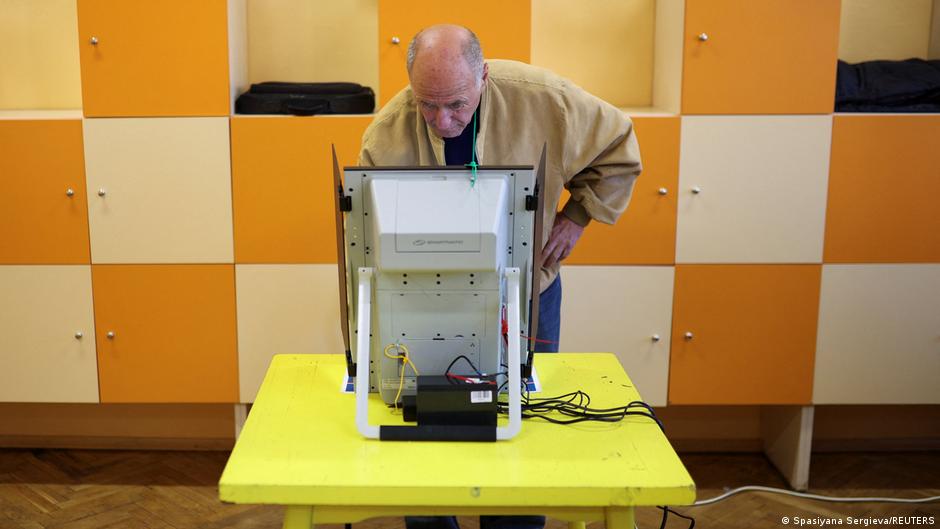
In Bulgaria's latest parliamentary elections, the left-centrist coalition "Progressive Bulgaria," led by former President Rumen Radev, is ahead with preliminary results indicating over 40% of the vote share. This marks a significant political shift amid ongoing demands for reform and anti-corruption measures.
Political Landscape and Implications for Bulgaria's Innovation Ecosystem
According to official data processed from about one-third of ballots, Progressive Bulgaria secured 44.59% of votes, positioning the coalition decisively ahead of its closest rivals. The right-centrist alliance "Citizens for European Development of Bulgaria" (GERB), led by ex-Prime Minister Boyko Borisov, and the liberal alliance "Continuing Changes - Democratic Bulgaria" (PP-DB) each garnered approximately 12-13% of the vote, based on exit polls.
Five parties appear poised to surpass the 4% electoral threshold required for parliamentary representation, reflecting a somewhat fragmented but dynamic political arena. Voter turnout was reported at 43.4%, indicating moderate electoral engagement during this snap election.
These elections are Bulgaria's eighth parliamentary contest in five years, underscoring ongoing political instability exacerbated by frequent government turnovers. The snap polls were called following the resignation of the conservative-led government amidst widespread protests that erupted in December 2025, fueled by public demands for an independent judiciary and anti-corruption reforms.
"Radev’s coalition has made the fight against corruption the cornerstone of its campaign, appealing to voters concerned with governance integrity and reform."
Notably, the coalition’s support base is ideologically diverse, comprising both pro-Russian sympathizers and voters prioritizing anti-corruption and transparency. Additionally, many of Radev's backers are former supporters of the Bulgarian Socialist Party, the post-communist party that dominated Bulgarian politics for decades.
Radev himself has publicly advocated for reducing military assistance to Ukraine, a stance that reflects nuanced geopolitical positions within Bulgaria's evolving political currents.
The election outcome carries important implications for Bulgaria's innovation ecosystem and venture capital climate. Political stability and governance reforms are critical to fostering a trustworthy environment for technology startups, foreign investment, and mergers and acquisitions. A government focused on reducing corruption could enhance Bulgaria’s attractiveness as a regional hub for tech innovation and venture funding.
As Bulgaria navigates this political transition, venture capitalists and startups will watch closely to assess how the new parliamentary majority shapes economic policy, regulatory frameworks, and international partnerships essential for scaling technology enterprises.