Hungary’s Orbán Steps Down from Parliament, Signals Shift in Political Leadership and Implications for Tech Ecosystem
Former PM Viktor Orbán declines parliamentary mandate, setting stage for leadership changes that may impact Hungary’s innovation and investment climate.
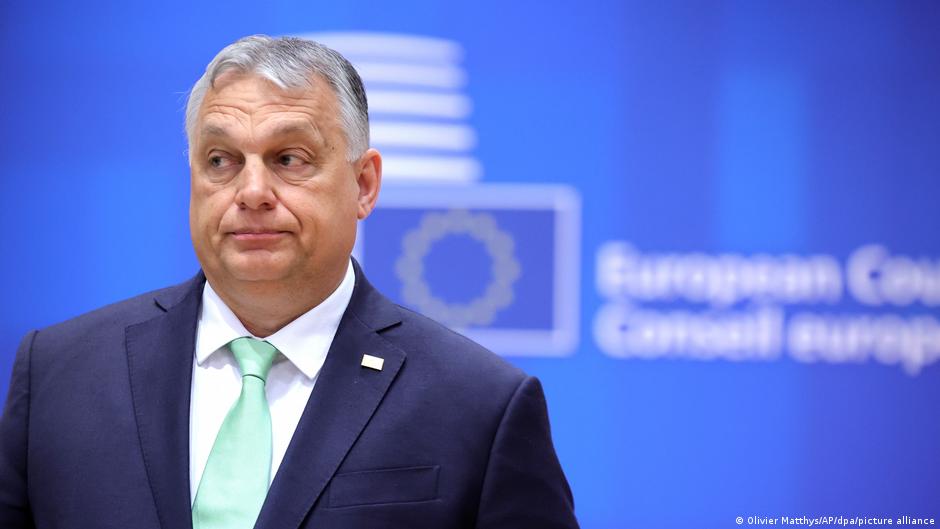
Viktor Orbán, the outgoing Prime Minister of Hungary and long-time leader of the Fidesz party, announced he will not take his parliamentary seat following his party’s defeat in the recent elections. This move signals a notable shift in Hungary’s political landscape and potentially its innovation ecosystem, with implications for venture capital, startups, and foreign investment.
Orbán’s Exit from Parliament and Leadership Transition
Orbán declared via social media on April 25 that he would decline the parliamentary mandate he won as Fidesz’s lead candidate. He emphasized that the mandate effectively belongs to the Fidesz party rather than to him personally. He explained,
“I am needed not in parliament, but for the reorganization of the national movement.”This hints at a strategic repositioning, focusing on party leadership and influence outside the day-to-day legislative work.
The new parliamentary leader of the Fidesz–Christian Democratic People’s Party (KDNP) faction will be Gergely Gulyás, who previously headed the Prime Minister’s Office. Despite stepping away from a legislative role, Orbán intends to remain as party chairman, subject to confirmation at the party congress scheduled for June.
Impacts on Hungary’s Tech Startups and Investment Environment
Orbán’s departure from parliamentary politics opens questions for Hungary’s startup ecosystem and the broader innovation sector. His administration was marked by a complex relationship with European Union institutions, foreign policy pivoting towards Russia, and controversial domestic policies that often affected investor confidence.
Orbán’s close ties with Russia and reluctance to align fully with EU sanctions had previously led to tensions with the European Union. The incoming government, led by Peter Marki-Zay of the winning Tisa party, has already promised to reverse some of Orbán’s policies. This includes halting Hungary’s withdrawal process from the International Criminal Court and easing the EU’s €90 billion credit package to Ukraine, moves signaling a potential thaw in relations with the EU.
These political shifts could stabilize Hungary’s standing within Europe, a critical factor for startups relying on EU funding and cross-border venture capital flows. Improved EU relations may also encourage greater foreign direct investment in Hungary’s growing tech sector, which has been cautious amid previous political uncertainties.
Changing Geopolitical Alignments and Innovation Funding
Orbán’s tenure was also notable for maintaining strong relations with Russia’s Vladimir Putin, including continued visits after Russia’s invasion of Ukraine. This stance added a layer of geopolitical risk for international investors in Hungary’s technology and innovation markets.
With Marki-Zay’s government promising more pragmatic engagement with Brussels and a less Russia-aligned foreign policy, Hungary might become a more attractive destination for venture capital and tech startups looking for a stable and EU-integrated base in Central Europe.
While some uncertainty remains, the new government’s approach to EU credit support for Ukraine and sanctions against Russia may signal a pivot towards European cooperation, potentially unlocking new funding sources and partnership opportunities for Hungarian startups and innovation hubs.
In conclusion, Orbán’s withdrawal from the Hungarian parliament and the incoming administration’s policy pivots could reshape the country’s innovation landscape. Venture capitalists and startup founders should watch closely as Hungary redefines its political and economic direction, influencing investment flows and the overall health of the tech ecosystem.