Iran Submits 14-Point Peace Plan to US Amid Ongoing Middle East Conflict
Tehran outlines key terms for conflict resolution, signaling potential shifts in regional stability affecting tech and innovation sectors.
Iran has formally submitted a detailed 14-point peace proposal to the United States, outlining its conditions for ending the ongoing military conflict in the Middle East. The move represents a significant diplomatic step, with Tehran awaiting Washington's response amid ongoing tensions.
The plan, revealed by Iranian state agencies, responds to an earlier U.S. proposal comprising nine points. Tehran emphasizes the need to resolve all outstanding issues within a month rather than extending a temporary ceasefire, underscoring its focus on a comprehensive end to the conflict.
Key Elements of Iran’s Peace Proposal
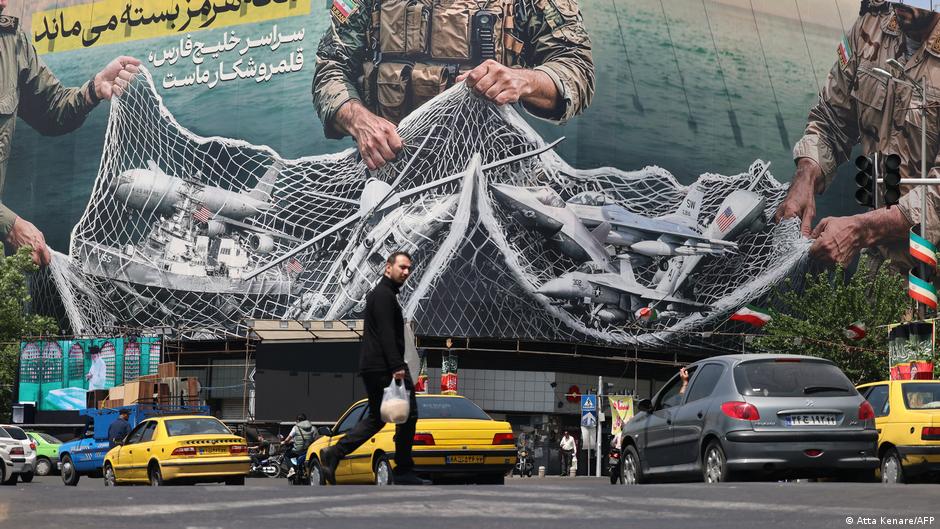
The Iranian framework demands several critical concessions from the U.S., including guarantees against further attacks, a full withdrawal of American forces from border regions, lifting of the naval blockade, and unfreezing of Iranian assets currently held under sanctions. Tehran also calls for reparations for damages incurred, annulment of sanctions, cessation of hostilities in the region—including Israeli strikes on Lebanon—and the establishment of a new operational mechanism for the strategically vital Strait of Hormuz.
“The focus should be on ending the war, not extending the ceasefire,” Iranian officials stated, signaling a decisive approach to conflict resolution.
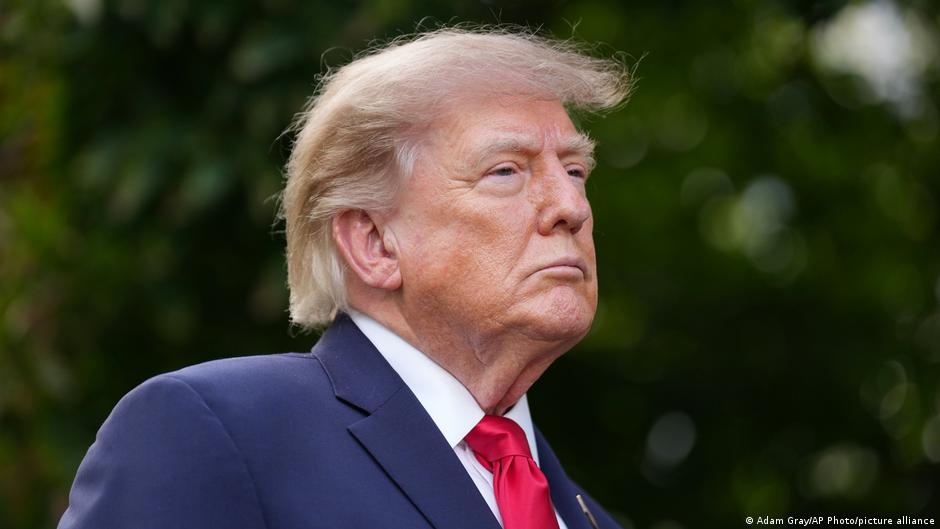
Earlier this month, Tehran had presented a similar peace proposal, which was met with skepticism by U.S. President Donald Trump. On May 3, Trump confirmed receipt of the new plan but expressed doubt that its terms would be acceptable, citing the need for Iran to "pay a high price" for its actions over the past 47 years.
Since the conflict’s outbreak on February 28—with U.S. and Israeli strikes against Iranian targets and retaliatory attacks on Israel, Gulf states, and American installations—the fragile ceasefire established in early April has failed to produce substantive progress. A solitary round of negotiations held in Pakistan on April 11 ended without agreement, while the Strait of Hormuz remains effectively blocked by Iranian forces and U.S. naval blockades persist.
President Trump formally declared the combat phase of the conflict over on May 1, notifying Congress that military operations initiated in February have ceased. However, he simultaneously emphasized that the threat from Iran remains substantial and ongoing, highlighting the complexity of achieving lasting peace.
Under the 1973 War Powers Resolution, the U.S. President is authorized to engage in military actions for 60 days without congressional approval, after which a halt or extension request is required. Reports indicate that Trump has directed preparations for a prolonged maritime blockade aimed at crippling Iran's economy by limiting its oil exports.
Implications for Tech Startups and Venture Capital
The ongoing conflict and diplomatic developments carry significant implications for the regional innovation ecosystem. Stability in the Middle East is crucial for sustaining the growth of technology startups and attracting venture capital investments. Persistent geopolitical tensions and economic sanctions hinder cross-border cooperation, access to capital, and market expansion opportunities for emerging tech companies.
Should Iran and the U.S. reach a peaceful resolution, it could pave the way for reduced sanctions, improved trade conditions, and increased investor confidence, thereby catalyzing innovation and entrepreneurship in the region. Conversely, continuation of hostilities and economic blockades threaten to isolate Iranian tech startups from global markets and limit funding avenues.
"Achieving peace is not just a geopolitical imperative but a catalyst for unlocking the region’s technological potential," industry analysts note. The stabilization of trade routes like the Strait of Hormuz is also critical for energy supplies that power tech hubs across the Middle East.