US Tariff Hikes Threaten German Economy and Tech Ecosystem Amid Auto Industry Impact
Munich’s ifo Institute warns of recession risk for Germany in 2026 if EU retaliates on US auto tariffs.
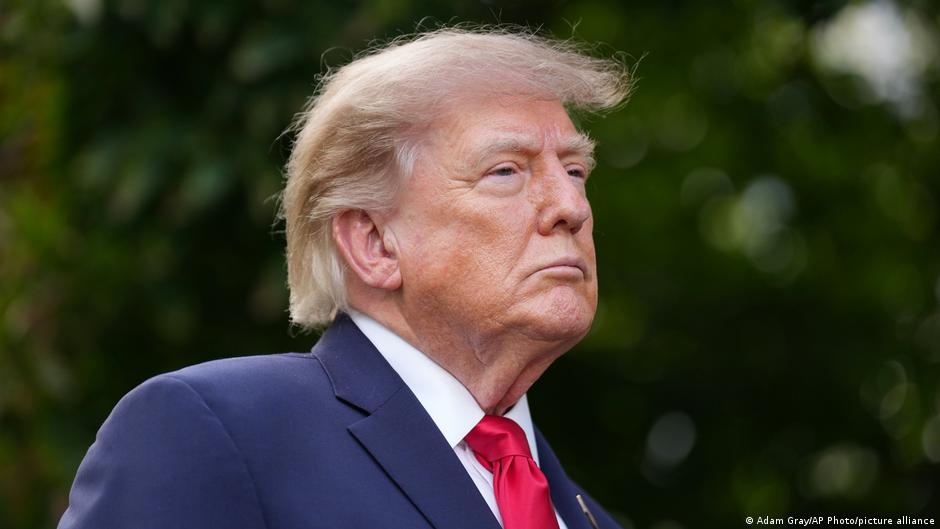
Following President Donald Trump's announcement of increased US tariffs on European Union automobiles, Munich's ifo Institute has issued a stark warning about potential negative consequences for Germany's economic growth, especially if the EU responds with retaliatory tariffs. Experts highlight significant risks not only to the traditional automotive sector but also to Germany's tech startups, venture capital funding, and broader innovation ecosystem.
Recession Risks and Industry Impact
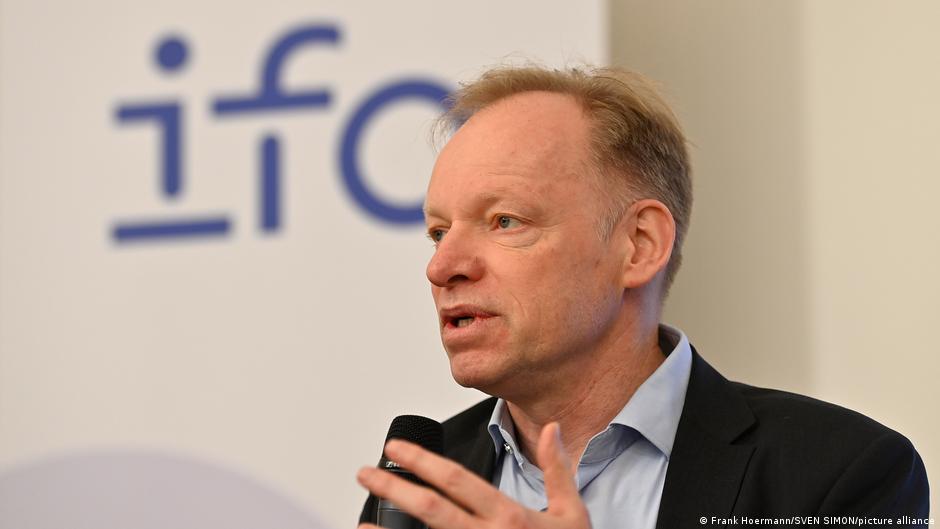
The ifo Institute, a leading German economic research center, cautioned that a full-scale trade war sparked by tit-for-tat tariffs could push Germany into recession as early as 2026. Clemens Fuest, the institute’s head, remarked that the US-imposed 25% tariffs on cars imported from the EU would severely affect Germany’s automobile industry, which is already navigating complex market challenges.
“If this leads to a new trade war, Germany faces a recession in 2026,” Clemens Fuest stated, highlighting the gravity of the situation.
Germany accounts for a substantial share of EU automobile exports, making it particularly vulnerable. The tariff hike is being interpreted by some, including auto expert Ferdinand Dudenhöffer, as “the start of an economic war against Germany.” This comes as a blow to a sector that traditionally attracted significant venture capital investment in automotive technologies, including electric vehicles, autonomous driving, and mobility startups.
Such a trade conflict could constrict funding for innovative startups in Germany’s automotive tech space. The uncertainty and market volatility often lead investors to adopt a more cautious stance, potentially delaying rounds of venture capital financing and slowing the pace of innovation. Furthermore, German startups that collaborate with US-based partners or target the American market may face increased operational costs and complexities.
Broader Implications for the Innovation Ecosystem
While the tariffs specifically target automobiles, the repercussions could ripple across the entire German startup ecosystem. Many tech startups depend indirectly on the automotive supply chain, including software developers, AI firms, and hardware manufacturers. A slump in the automotive sector could reduce demand for such technologies, undermining growth prospects.
Moreover, the strained trade relations come at a time when global supply chains are still adjusting post-pandemic and amid geopolitical uncertainties. Jens Südekum, advisor to Germany’s Finance Minister Lars Klingbeil, suggested a cautious approach for the EU, recommending retaliation only if tariffs are actually implemented. This measured stance underscores the potential damage a full trade war could inflict on innovation and economic stability.
The US’s justification for increasing tariffs centers on alleged EU violations of prior trade agreements, although specifics remain unclear. The tariffs exclude vehicles manufactured at US plants, signaling a strategic attempt to protect domestic production while pressuring EU exporters. This nuanced policy raises concerns among venture capitalists and startups reliant on cross-border collaborations and open markets.
Strategic and Political Context
The tariff hike follows President Trump’s sharp criticism of German Chancellor Friedrich Merz, accentuating tensions between the two economies. Trump urged Merz to focus on resolving the Ukraine conflict rather than intervening in Iran-related policies, simultaneously warning about Germany’s internal economic challenges.
This political backdrop adds complexity for startups and investors who depend on stable transatlantic relations. The threat of increased tariffs and retaliatory measures may lead companies to reconsider market strategies, supply chain arrangements, and investment plans.
In sum, the escalating trade tensions and tariff hikes present a multifaceted risk for Germany’s economy—impacting traditional industries, dampening startup growth, and creating an uncertain environment for venture capital and innovation.