US Plans Significant Reduction of Military Presence in Germany: Implications for Tech Startups and VC Ecosystem
Washington announces a larger-than-expected troop withdrawal from Germany, raising concerns over geopolitical risks affecting European tech and innovation sectors.
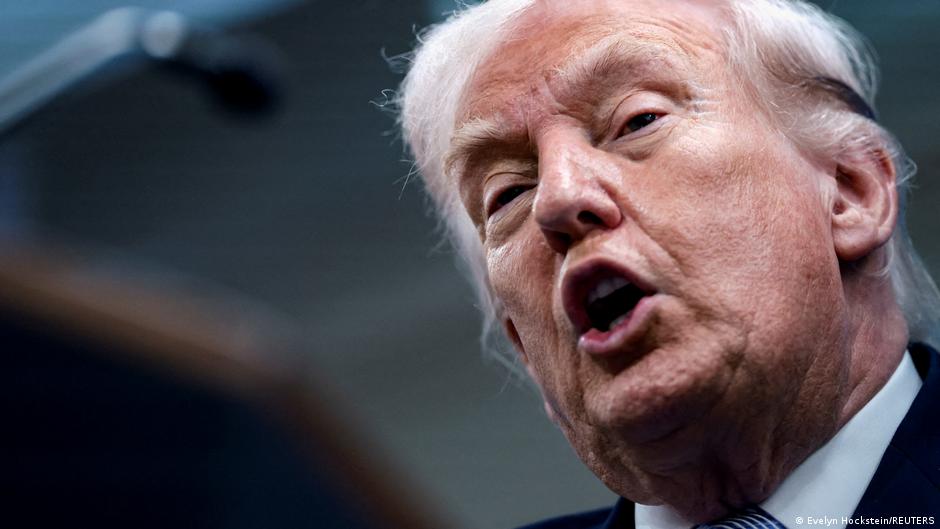
The United States has declared plans to substantially reduce its military footprint in Germany, exceeding the previously announced withdrawal of approximately 5,000 troops. This move signals a shift in Washington's strategic posture in Europe, with potential ripple effects on the continent's technology startups, venture capital investments, and innovation ecosystem.
US Military Drawdown and Strategic Realignment
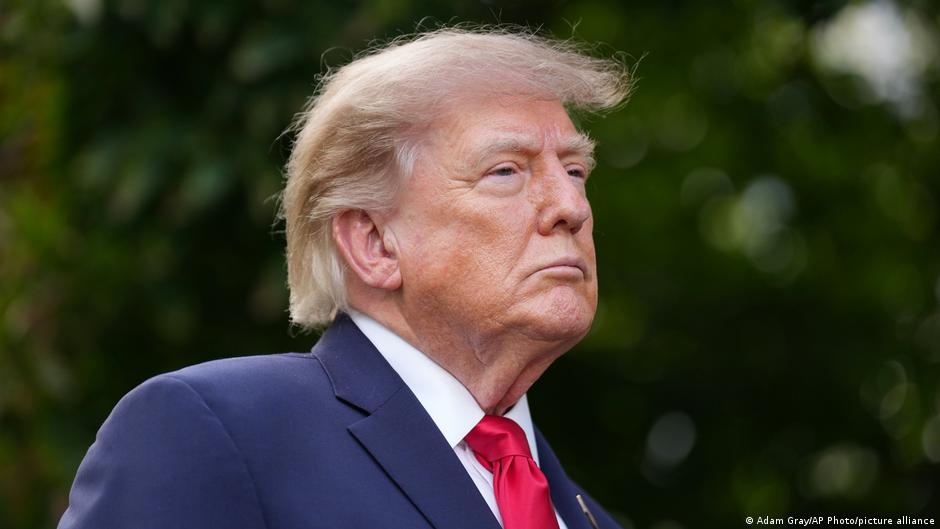
President Donald Trump announced in early May that the U.S. will cut its military presence in Germany by "much more than 5,000 soldiers," expanding on the Pentagon's prior order to withdraw around 5,000 personnel within a year. The decision comes after a comprehensive review of US troop deployments in Europe, where about 68,000 American soldiers were stationed as of December 2025, with over half, approximately 36,400, based in Germany.
Beyond Germany, Trump also threatened troop withdrawals from Spain and Italy, citing dissatisfaction with their support in conflicts involving the U.S., Israel, and Iran. NATO has responded by coordinating with the U.S. to understand the troop reduction details and reaffirmed confidence in collective deterrence and defense capabilities during this transition toward a stronger European security framework.
"We remain confident in our ability to provide deterrence and defense as this transition progresses toward a stronger Europe within a stronger NATO," stated NATO spokesperson Allison Hart.
This strategic reorientation can influence the broader geopolitical stability in Europe, a critical factor for startups and investors considering expansion or funding ventures in the region.
Implications for Tech Startups and Venture Capital
The reduction of American military forces in Germany may have complex implications for the European innovation ecosystem. Historically, the U.S. military presence has contributed indirectly to the local economies through infrastructure investments, security stability, and fostering transatlantic ties that underpin international collaborations in technology and defense-related sectors.
Tech startups in Germany, especially those operating at the intersection of defense technology, cybersecurity, and dual-use innovations, may face uncertainties. Reduced American presence could affect joint R&D initiatives and bilateral partnerships that often receive venture capital interest. Furthermore, geopolitical uncertainties could lead to shifts in venture capital flows as investors reassess risk profiles associated with European markets.
However, the evolving security dynamics might also create opportunities. European governments and private investors may increase commitments to indigenous innovation and defense-tech startups to compensate for diminished U.S. military engagement. This could spur new venture capital deals targeting technologies in surveillance, secure communications, and autonomous systems within Europe.
Additionally, U.S. tech companies with European operations could see strategic adjustments as companies and investors recalibrate to the changing geopolitical landscape. Cross-border M&A activities might be influenced as firms seek to consolidate or expand capabilities to address new defense and security challenges.
As the U.S. troop withdrawal unfolds over the next six to twelve months, the tech and venture capital communities should closely monitor policy developments and alliance dynamics to anticipate shifts in the ecosystem.
Context and Political Background
The troop reduction announcement follows sharp political exchanges between President Trump and Germany's Federal Chancellor Friedrich Merz. Merz criticized the U.S. for a lack of strategy in the conflict with Iran, while Trump accused the German leader of supporting Iran's nuclear program. These tensions reflect broader challenges in transatlantic relations that could impact cooperative innovation frameworks.
Despite previous threats during Trump's first term to reduce forces in Europe, actual troop numbers increased until now. Congressional restrictions also limit the executive branch's ability to effect such withdrawals unilaterally, adding complexity to implementation.
Nevertheless, the latest statements indicate a more decisive shift in U.S. military deployment policy with potential consequences for European stability and, by extension, the regional startup and venture capital environment.