Russian Military Strikes Multiple Ukrainian Regions, Disrupting Infrastructure and Civilian Areas
Recent Russian drone attacks targeted energy and port infrastructure across Ukraine, impacting regional stability and raising concerns over ongoing conflict's effect on innovation hubs.
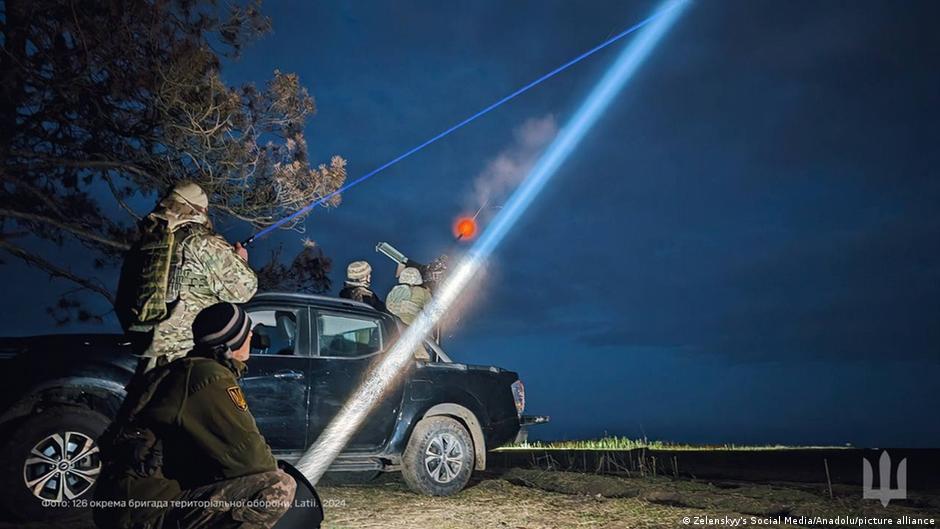
In the early hours of Saturday, May 2, Russian forces launched a series of drone strikes across several regions in Ukraine, including Mykolaiv, Kharkiv, Kherson, and Sumy. These attacks come amid continuing hostilities that threaten not only civilian safety but also critical infrastructure vital to Ukraine's economic and technological sectors.
Impact on Infrastructure and Civilian Areas
According to local officials, Mykolaiv's energy infrastructure was targeted by drones, though no casualties were reported. The strike involved unmanned aerial vehicles (UAVs), specifically Shahed drones, which attempted to disrupt power supplies critical to both residential and industrial users in the region.
In Kharkiv, a Shahed drone struck the 12th floor of a residential building in the Shevchenkivskyi district. The incident resulted in a civilian sustaining shrapnel wounds to the chest. Remarkably, the drone failed to detonate upon impact, averting more severe damage and higher casualties, as noted by Kharkiv's mayor, Ihor Terekhov.
Sumy and Kherson also experienced repeated explosions throughout the day, with reports confirming multiple drone strikes aimed at destabilizing the regions. Ukrainian Air Force sources indicate ongoing UAV movements targeting other strategic locations, including Chernihiv, Zaporizhzhia, Odessa, and the Odessa region.
One notable attack occurred at the port infrastructure in Izmail, a key logistical node on the Danube River. Local defense forces successfully intercepted most hostile drones, minimizing damage and preserving this vital transport hub.
“Air defense forces acted effectively, shooting down the majority of enemy UAVs, resulting in negligible damage to critical infrastructure,” stated Izmail’s local administration.
In western Ukraine’s Ternopil region, over 50 Shahed drones were deployed, with more than 20 detonating and causing injuries to at least 12 individuals, according to the regional police chief, Serhiy Zubanenko.
Additionally, nearly 50 strikes were reported in the Nikopol and Kryvyi Rih districts of the Dnipropetrovsk region. These assaults resulted in four injuries, including two women hospitalized with moderate conditions and two others receiving outpatient care, as confirmed by regional administration head Oleksandr Ganja.
Broader Implications for Ukraine’s Innovation Ecosystem and VC Environment
While these military actions primarily target infrastructure and civilian centers, their ripple effects extend into Ukraine's burgeoning tech ecosystem. Energy security and stable logistics are critical for startups and innovation hubs, many of which rely on uninterrupted power and transport networks.
Venture capital investors monitoring the region are increasingly cautious as conflict-related disruptions threaten operational continuity and scalability of Ukrainian tech ventures. Persistent attacks on infrastructure could slow M&A activity, delay funding rounds, and challenge prospects for international partnerships.
Nonetheless, Ukraine's tech sector has demonstrated resilience, adapting to conflict conditions through remote work strategies and decentralized operations. The ongoing situation underscores the importance of robust infrastructure protection mechanisms to sustain innovation amid geopolitical instability.