Latvia Publishes List of 170 Companies Doing Business with Russia Amid Ongoing War
Latvia reveals companies maintaining trade ties with Russia and Belarus despite conflict, impacting the regional startup and investment ecosystem.
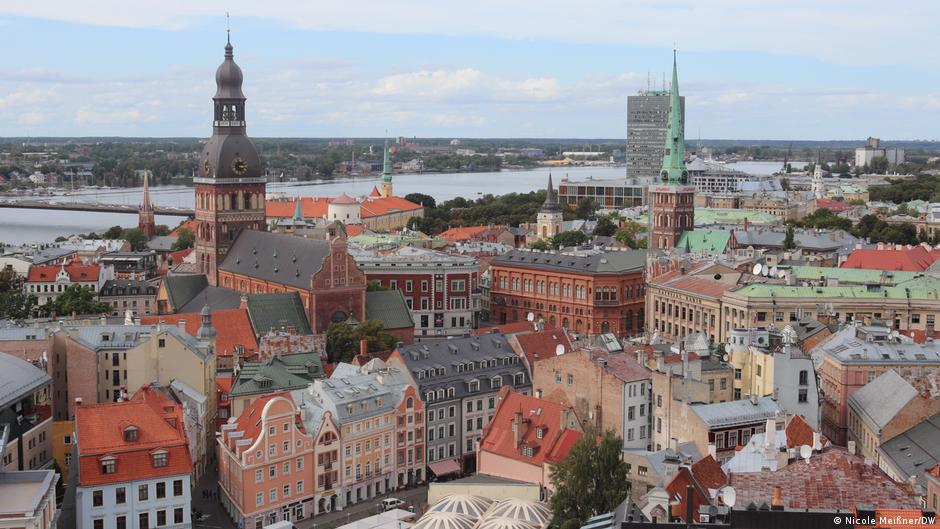
In an unprecedented move, the Latvian government has released a list of approximately 170 domestic companies that continue to conduct business with Russia and Belarus amid the ongoing Russian invasion of Ukraine. This disclosure marks a significant step in transparency, shedding light on the commercial ties that persist despite geopolitical tensions and sanctions.
Implications for the Regional Tech and Startup Ecosystem
The list, published by Latvia’s Central Statistical Bureau on August 20, encompasses firms engaged in either exporting goods to or importing products from Russia and Belarus. While none of these companies are reported to be in violation of international sanctions—since the trade involves goods like food and pharmaceuticals exempt from restrictions—their continued engagement with these markets has stirred debate within Latvia and the broader Baltic region.
Some Latvian media outlets have dubbed this directory the "list of shame," reflecting public and political pressure on companies to reconsider their trade relationships. This climate has significant repercussions for startups and venture capital investors in Latvia, where alignment with European Union policies and ethical investment standards increasingly influences funding and partnership decisions.
"The publication empowers consumers and business partners to make informed decisions about their collaborations, reinforcing accountability in the Latvian business landscape," noted analysts tracking the region’s innovation ecosystem.
The registry emerges as part of legislative amendments passed in June aimed at supporting the Ukrainian civil population. Previously, information about Latvian firms trading with Russia and Belarus was not publicly accessible. Now, the transparency is intended to incentivize companies to reassess their involvement with these markets, potentially accelerating shifts in supply chains and business strategies.
Latvia, a close ally of Kyiv, has implemented numerous import restrictions on Russian and Belarusian goods since the outbreak of full-scale conflict in Ukraine. Many local companies have voluntarily ceased or scaled back their trade with these countries in solidarity with Ukraine and to align with broader EU sanctions regimes.
For startups and tech companies operating in Latvia, this development signals a heightened scrutiny environment. Venture capital firms may increasingly favor investments in companies demonstrating compliance with geopolitical expectations and ethical standards. Additionally, mergers and acquisitions involving firms on the list could face reputational risks, influencing valuation and deal structures.
Looking forward, the list will be updated monthly, offering continuous insight into the evolving business landscape. This transparency initiative could serve as a model for other countries navigating the complex interplay of commerce, geopolitics, and innovation ecosystems during times of conflict.