Flávio Bolsonaro Leads Brazil Vote, Setting Up Runoff With Lula
The first-round result puts Brazil’s policy direction back in focus for startups, investors and dealmakers watching Latin America’s largest economy.
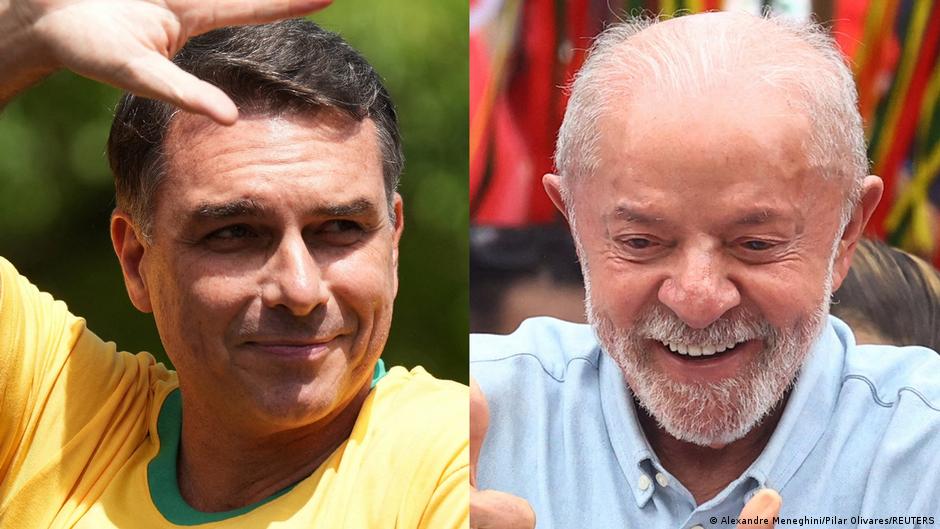
Brazil’s presidential election is heading to a second round after neither of the two leading candidates crossed the 50 percent threshold, setting up a high-stakes runoff with direct implications for the country’s technology sector, venture capital market and broader innovation economy.
With 99.99 percent of first-round ballots counted, Flávio Bolsonaro, a senator from Rio de Janeiro state and the eldest son of former President Jair Bolsonaro, emerged as the front-runner with 47.03 percent of the vote, according to data from Brazil’s electoral authorities published overnight into Monday, October 5. Incumbent President Luiz Inácio Lula da Silva followed closely with 45.16 percent. Turnout was 78.92 percent.
The runoff is scheduled for October 25. Second-round presidential contests have become a recurring feature of Brazilian politics: since the early 2000s, every presidential election in the country has required a repeat vote.
With no candidate clearing the 50 percent mark, Brazil’s election will be decided in a second round on October 25.
For investors, founders and corporate acquirers, the result prolongs a period of political uncertainty in a market that remains one of Latin America’s central engines for fintech, software, digital commerce and financial infrastructure. The gap between the two candidates is narrow, and the final outcome could shape regulatory priorities, state-backed funding channels, financial oversight, public-private partnerships and the investment climate facing emerging companies.
Startups Face a Longer Policy Overhang
Brazil’s startup ecosystem has often been viewed through the lens of its scale: a large domestic consumer base, sophisticated financial markets, deep fintech adoption and a growing pool of technical talent. But the first-round result means founders and venture investors will have to wait longer for clarity on the next administration’s approach to growth, taxation, enforcement, public procurement and financial regulation.
Lula da Silva entered the runoff as the incumbent and a left-wing politician with 45.16 percent of the vote. Flávio Bolsonaro, who led with 47.03 percent, campaigned in part on promises to fight crime. For technology businesses, especially those operating in financial services, logistics, marketplaces and consumer platforms, questions about public security, state capacity and regulatory enforcement are not abstract political themes. They affect fraud prevention costs, payments infrastructure, credit risk, delivery networks and the confidence of both domestic and foreign investors.
The political context is also unusually charged. In 2022, Lula defeated Jair Bolsonaro, Flávio Bolsonaro’s father, in another second-round election. Jair Bolsonaro refused to recognize the result at the time, and his supporters staged protests. He was later sentenced to a lengthy prison term for attempting a coup.
That history matters for the venture market because institutional investors tend to price political stability into country risk. A contested or polarizing runoff can delay term sheets, slow M&A processes and make international funds more cautious about follow-on commitments, particularly in sectors exposed to licensing, banking partnerships or state contracts.
Family Legal Issues Add Investor Scrutiny
The Bolsonaro family’s legal record is likely to remain part of the campaign debate through the runoff. In June 2026, Brazil’s Supreme Court sentenced Eduardo Bolsonaro, another son of the former president who was also active in politics, to four years and two months in prison. The criminal case stemmed from Eduardo Bolsonaro’s calls for the United States to impose sanctions on Brazil over the sentence handed to his father. Eduardo Bolsonaro lives in the United States, and the case against him was considered in absentia.
Flávio Bolsonaro himself has previously faced corruption and embezzlement suspicions. In 2019, cases were opened against him over alleged payments to nonexistent people listed among his subordinates, as well as suspicious transfers to his bank account. The source article does not state the current status of those proceedings, but the allegations are part of the political backdrop now surrounding the runoff.
For the innovation economy, such issues can have practical consequences. Venture-backed companies depend on predictable institutions, credible courts and reliable enforcement. International investors assessing Brazil may focus not only on headline economic policy but also on whether political leadership can preserve confidence in financial supervision and anti-corruption safeguards.
Banco Master Probe Raises Financial-Market Concerns
The election is unfolding alongside an investigation into Banco Master and its largest shareholder, Daniel Vorcaro, over alleged fraudulent fundraising involving tens of millions of dollars from public and private funds. The investigation centers on promises of high returns that were allegedly impossible to fulfill. In other words, authorities are examining a possible financial pyramid scheme.
Vorcaro is also known as one of the producers of Dark Horse, a favorable biographical film about Jair Bolsonaro. The film’s storyline develops the former president’s claims about “stolen elections.” Media outlets have previously published correspondence between Vorcaro and Flávio Bolsonaro that may suggest the politician knew of the alleged fraudulent scheme and may have helped facilitate it, including through “cover” in the form of supposedly expensive film production.
Those claims are especially relevant to investors because Brazil’s startup and venture markets are closely tied to the credibility of financial institutions. Fintechs, private credit platforms, fund managers and corporate venture arms all depend on trust in capital formation. A major investigation involving public and private funds can heighten sensitivity around due diligence, governance and compliance, particularly if it intersects with national politics.
The runoff now leaves Brazil’s business community with less than three weeks before the decisive vote. For startups, the immediate concern is not only who wins, but how the next president governs: whether the administration prioritizes innovation, preserves confidence in financial oversight, supports investment formation and maintains the institutional stability that venture capital depends on.
Brazil remains a major market for technology companies and investors, but the October 25 vote will help determine whether capital flows accelerate into the next cycle or remain constrained by political and regulatory caution.