Latvian President Warns NATO to Prepare for Potential Escalation with Russia Amid Security Concerns
Edgars Rinkēvičs emphasizes need for enhanced military capabilities and stronger defense investments within NATO ahead of Ankara summit.
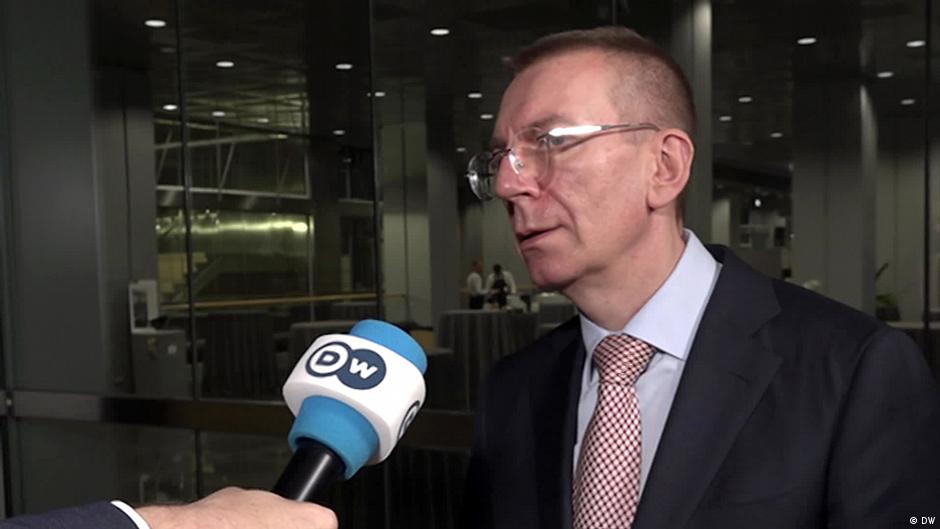
Latvian President Edgars Rinkēvičs has highlighted the urgent need for NATO to prepare for a possible escalation in tensions with Russia, signaling a potential direct confrontation between Moscow and the Western military alliance. In an interview ahead of the upcoming NATO summit in Ankara, Rinkēvičs stressed that Europe's current defense spending and military capabilities remain insufficient to effectively deter or respond to Russian aggression.
Implications for European Defense and Innovation Ecosystem
Addressing the strategic landscape, Rinkēvičs pointed out that while NATO member states agreed last year to raise defense spending to 5% of GDP, this metric alone does not guarantee enhanced military strength. He underscored a critical gap: many European countries lack the actual arms, missiles, and technology that such budgets are meant to procure. This shortfall in tangible military assets presents a challenge not only for national security but also for the broader European defense industrial base and innovation ecosystem.
"Money is very important, but it is necessary to have the weapons, missiles, and equipment that can be purchased with these budgetary funds," Rinkēvičs remarked, highlighting the need for effective defense procurement and indigenous technological advancement. This context sets the stage for increased investment opportunities and venture capital interest in defense-related startups specializing in innovative military technologies, cybersecurity, and advanced manufacturing.
"If Russia challenges NATO, the alliance's response will be proportional," said Rinkēvičs, emphasizing deterrence through credible defense capabilities.
The Latvian president also reaffirmed the strategic role of the United States as an indispensable defense partner for Europe, despite varying political rhetoric across European capitals. The transatlantic relationship remains a cornerstone for security and defense cooperation, potentially influencing joint ventures, cross-border investments, and technology sharing within the defense sector.
Furthermore, Rinkēvičs stressed that achieving peace in Ukraine is not feasible without active European involvement, linking geopolitical stability directly to regional investment climates and international collaboration frameworks. This geopolitical uncertainty and heightened risk profile may drive venture capital firms to recalibrate their risk assessments, focusing on startups that enhance defense readiness, supply chain resilience, and technological sovereignty.
During his visit to Berlin on July 3, ahead of the NATO summit, Rinkēvičs met with German Chancellor Friedrich Merz alongside Estonian Prime Minister Krišjānis Kariņš and Lithuanian President Gitanas Nausėda. Following the meeting, Merz affirmed that "the security of the Baltics is also Germany's security," signaling a shared commitment to regional defense initiatives that could stimulate cross-border funding and collaborative innovation projects among Baltic and European tech enterprises.
For the venture capital and startup ecosystems, these developments underscore an evolving landscape where defense priorities increasingly intersect with technology innovation. Startups specializing in AI-driven defense systems, secure communications, unmanned vehicles, and advanced materials stand to gain from renewed government contracts and strategic investments. Moreover, NATO's push for modernization could catalyze new mergers and acquisitions as established defense contractors seek to integrate cutting-edge technologies developed by emerging companies.
In summary, the Latvian president's call for NATO preparedness amid escalating geopolitical risks sheds light on critical gaps in European defense capabilities and funding. For investors and entrepreneurs, this signals a compelling opportunity to contribute to and benefit from an accelerated innovation cycle within the defense and security sectors.