US-Iran Tensions and Oman's Role Pose Risks to Gulf Stability and Tech Startup Ecosystem
Rising geopolitical conflicts in the Strait of Hormuz threaten regional stability, impacting venture capital and innovation in Middle Eastern tech markets.
Heightened tensions between the United States, Iran, and Oman over control of the strategic Strait of Hormuz have escalated, raising concerns beyond geopolitics to the regional innovation and venture capital environment. The ongoing conflict and uncertainty surrounding shipping routes could disrupt supply chains and investor confidence in Middle Eastern tech startups and broader innovation ecosystems.
Geopolitical Friction and Its Ripple Effects on Tech Ecosystems
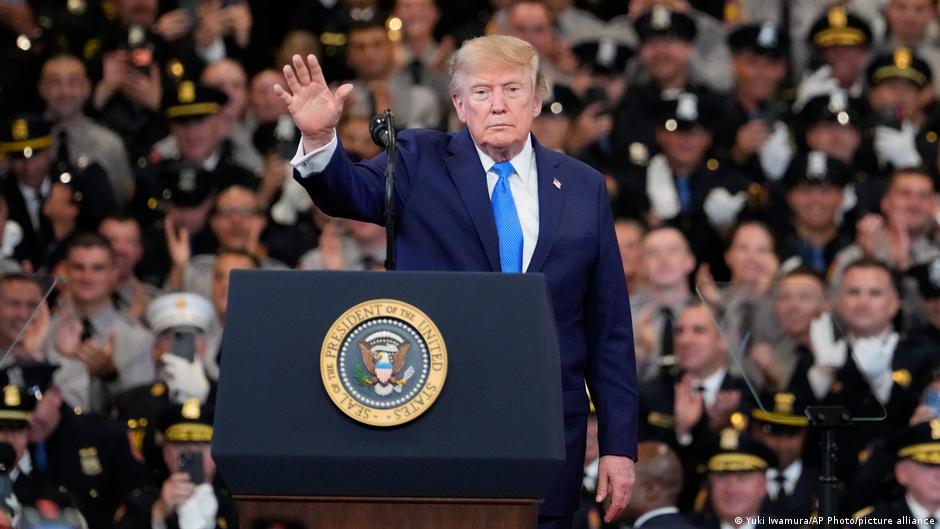
On August 17, former US President Donald Trump issued a stark warning to Oman, threatening military action if it interferes with the ongoing negotiations between Washington and Tehran regarding control of the Strait of Hormuz. Oman is currently engaged in talks with Iran aimed at jointly managing shipping through this critical waterway, through which approximately 20% of global oil supplies flowed prior to the intensification of US and Israeli hostilities toward Iran.
"If Oman gets in the way of negotiations over the Strait of Hormuz, the US will ‘bomb the stupidity’ out of it," Trump remarked in an interview with Fox News.
The 60-day negotiation period established under a Memorandum of Understanding signed during the G7 summit in June has expired without reaching a consensus. This deadlock, coupled with resumed military actions—including Iranian attacks on vessels in the strait and US aerial strikes against Iranian targets—has amplified uncertainty in the region.
Such geopolitical instability threatens to create a chilling effect on the venture capital landscape in the Gulf and neighboring regions. The Strait of Hormuz is a strategic artery for energy exports, and disruptions can reverberate through global markets, influencing investment risk assessments. For technology startups reliant on stable infrastructure and investor confidence, this environment introduces significant operational and financial unpredictability.
Implications for Venture Capital and Innovation in the Middle East
The Gulf Cooperation Council (GCC) countries, including Oman, have recently prioritized diversifying their economies through technology and innovation. Venture capital flows into Middle Eastern startups have increased, driven by growing domestic markets and government-backed innovation initiatives. However, geopolitical risks can deter foreign investment and complicate cross-border collaborations critical to startup growth.
For investors and entrepreneurs, the ongoing tensions underscore the importance of factoring in geopolitical risk when evaluating market opportunities in the region. A protracted conflict or escalation could strain supply chains, increase operational costs, and lead to capital flight, potentially slowing momentum in digital transformation and startup activity.
Turkey's President Recep Tayyip Erdogan's recent call with Donald Trump to continue diplomatic engagement and his offer of Ankara's mediation reflects regional efforts to de-escalate the situation. Stability in the Gulf is widely recognized as essential not only for global energy markets but also for sustaining the burgeoning tech ecosystems that depend on predictable environments for innovation and growth.
As negotiations remain uncertain, technology startups and venture capitalists will closely monitor developments, balancing the high growth potential of Middle Eastern markets against the risks posed by geopolitical instability.