Over 180 Drones Shot Down Near Moscow Amid Escalating UAV Attacks Impacting Infrastructure
Moscow authorities report destruction of more than 180 unmanned aerial vehicles overnight, highlighting security challenges for regional tech and logistics hubs.
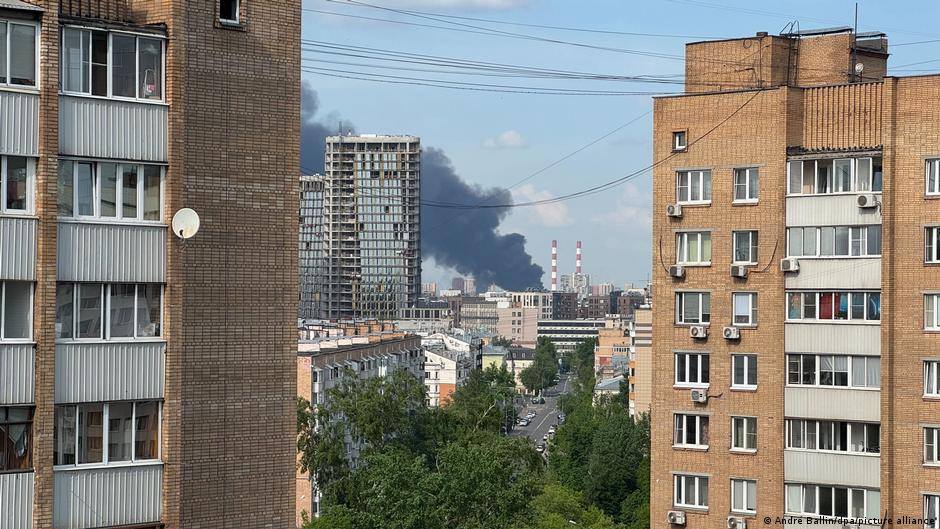
In a significant escalation of unmanned aerial vehicle (UAV) attacks, Moscow Mayor Sergey Sobyanin announced that over 180 drones were shot down near the capital during the night of August 17-18. Authorities reported a total of 620 drones directed towards the Moscow region overnight, underscoring increasing security concerns for critical infrastructure and the surrounding innovation ecosystem.
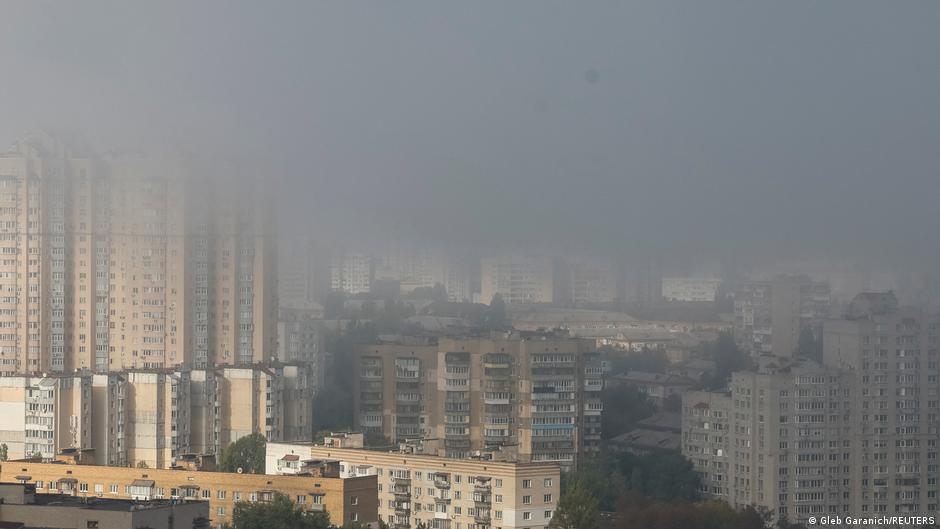
The drones reportedly targeted various sites in the Moscow Oblast, though specific objectives remain unconfirmed. However, reports indicate that residential and commercial properties sustained damage, including the residential complex "Duna" in Kotelniki, located near the Moscow Oil Refinery—an asset that has been repeatedly targeted in recent drone attacks.
Implications for Tech Startups and Regional Innovation
The surge in drone activity and resulting countermeasures pose broad challenges not only for public safety but also for the regional technology and logistics sectors. The Moscow Oil Refinery area is a critical industrial hub with downstream effects on supply chains and local startups reliant on stable infrastructure. The attacks have prompted temporary airspace restrictions at major airports, including Vnukovo, Domodedovo, and Zhukovsky, complicating transportation and logistics for businesses.
Governor of the Moscow region, Andrey Vorobyov, reported casualties from falling drone debris, with injuries to civilians in several towns. Incidents included damage to a Wildberries warehouse and a fire at a shopping pavilion in Kolomna, emphasizing the risk to commercial operations. These disruptions threaten to slow the momentum of startups and innovators that depend on reliable access to markets and resources.
"The drone attacks highlight vulnerabilities in regional infrastructure that could reverberate across the innovation ecosystem, affecting startups and venture capital interests in Moscow and its suburbs," experts note.
Furthermore, enforcement of airspace restrictions by Rosaviatsiya—the Russian Federal Air Transport Agency—reflects heightened security protocols. While flights at Sheremetyevo airport continue under strict coordination, limitations on air traffic could delay business travel and complicate logistics for tech companies, investors, and partners.
Videos circulated on Telegram channels purport to show the moments of drone interceptions and the deployment of air defense systems. The ongoing attacks and countermeasures signal an environment of increasing risk for enterprises engaged in technology development, supply chain management, and venture-backed operations.
As Moscow and its surrounding regions confront these security challenges, the venture capital community and startup ecosystem must adapt to uncertainties affecting operational continuity, investment climates, and innovation output. The resilience of tech hubs will depend on enhanced protective measures and infrastructure investments aimed at mitigating the impact of UAV-related disruptions.