Russian Election Chief Advocates Denying Voting Rights to Emigrated Citizens Marked as 'Foreign Agents'
Ella Pamfilova supports restricting voting rights for Russians abroad labeled as 'foreign agents,' signaling potential changes affecting diaspora participation in elections.
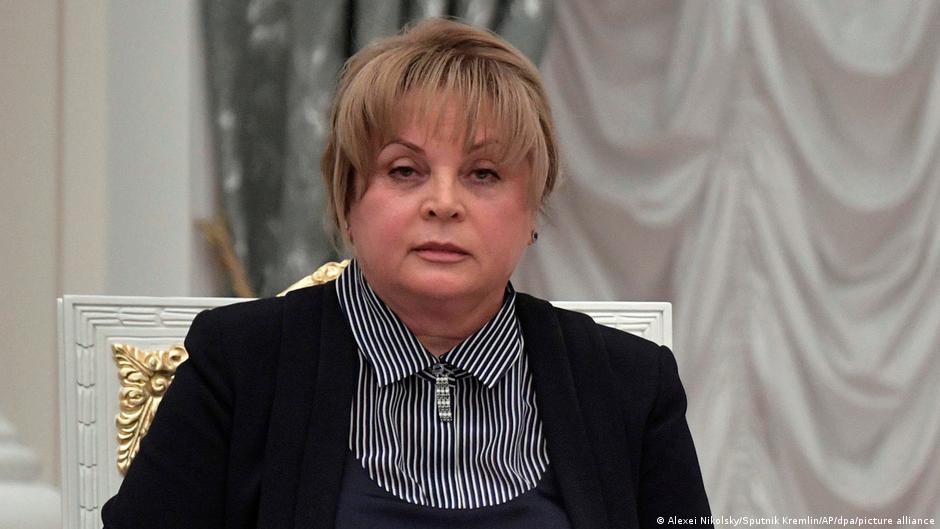
Ella Pamfilova, Chairwoman of Russia's Central Election Commission (CEC), has expressed a firm stance on restricting voting rights for Russian citizens who have emigrated and are designated as "foreign agents." In a recent interview, she asserted that those who leave the country should forfeit their electoral rights, underscoring a hardline approach that could influence the political participation of Russians living abroad.
Implications for Political Engagement and the Russian Diaspora
In comments published on August 17, Pamfilova stated, "I consider that those who have left the country have betrayed it and should be stripped of the right to vote." This viewpoint comes amid ongoing debates over whether individuals and organizations branded as "foreign agents"—a classification used by the Russian government to identify entities perceived as influenced by foreign interests—should be allowed to partake in elections.
The "foreign agent" label, instituted in 2012, initially targeted non-profit organizations receiving foreign funding. Over time, the registry expanded to include media outlets in 2017 and individuals starting in 2020. Entities listed face increased government scrutiny, mandatory labeling of publications, stringent reporting requirements, and restrictions on income and employment. Challenges to this designation in courts have proven largely unsuccessful.
"I consider that those who have left the country have betrayed it and should be stripped of the right to vote," said Pamfilova.
Pamfilova also indicated that decisions about voting rights should ultimately be determined by the newly convened State Duma, hinting at possible legislative revisions. Regarding voting processes in countries labeled by Russia as "unfriendly," she noted that the CEC has advised Russian ambassadors to confirm with host governments that election security can be guaranteed, reflecting increased diplomatic coordination in managing overseas voting.
The CEC's engagement with the Ministry of Foreign Affairs and diplomatic staff aims to mitigate risks associated with voting by Russian citizens abroad, particularly those who have emigrated under politically sensitive circumstances. Pamfilova emphasized that law enforcement agencies possess sufficient resources and expertise to comprehensively identify individuals who may be disqualified from participating in elections.
Potential Impact on Tech Startups and the Innovation Ecosystem
These developments bear significant implications for Russia’s technology startup community and the broader innovation ecosystem. Many Russian entrepreneurs and tech professionals have emigrated in recent years, often settling in countries deemed "unfriendly" by the Russian government. The prospect of disenfranchisement could further alienate this demographic and complicate their engagement with Russia’s domestic market and policy environment.
For venture capitalists and startups, the tightening of voting rights and the associated classification as "foreign agents" may signal a more restrictive political climate. This environment can affect foreign investment flows, cross-border collaborations, and the free exchange of ideas essential for technological innovation. Furthermore, startups founded or led by émigré entrepreneurs might face additional regulatory hurdles or social stigmatization, impacting their ability to scale or attract funding from Russian sources.
Overall, these policy shifts highlight a growing intersection between political governance and the technology sector's dynamics in Russia. As authorities seek to control electoral participation and information flows, the innovation ecosystem may experience increased fragmentation, potentially driving further brain drain and innovation outflows.