NATO Signals Readiness to Respond to Iranian Threats Amid Rising Geopolitical Tensions
NATO reaffirms its commitment to protect alliance members following reports of Iran’s potential attacks on European military sites.
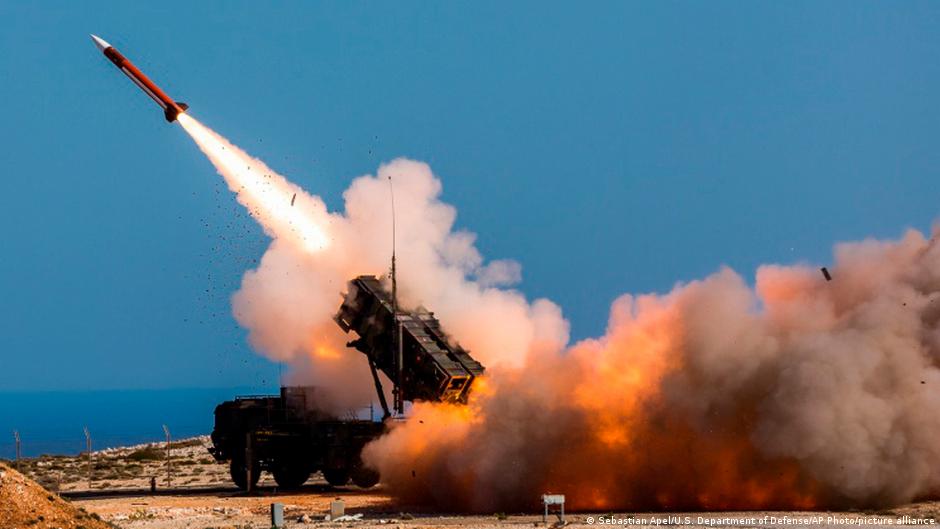
Amid rising geopolitical tensions, NATO has declared its preparedness to respond decisively to any threats posed by Iran against its member states in Europe. This statement comes in the wake of media reports suggesting that Iran may target military facilities in Bulgaria and Cyprus.
Implications for Security and Regional Stability
An anonymous NATO official told Reuters on August 19 that the alliance's deterrence and defense strategy remains robust and effective. This assurance highlights NATO’s continued vigilance in safeguarding its members, especially as Bulgaria recently permitted the United States to use one of its airbases for refueling operations. Additionally, British airbases are located on Cyprus, further entangling the region in strategic defense considerations.
"Our deterrence and defense strategy is strong and effective," a NATO spokesperson confirmed, emphasizing the alliance’s readiness.
The Financial Times previously reported that Iran was contemplating strikes against targets in Europe, particularly in Cyprus and Bulgaria, as a potential escalation response to conflicts involving the United States. Meanwhile, The New York Times indicated that Iran had also considered targeting a port in Ukraine as retaliation for a Ukrainian strike on an Iranian vessel in the Caspian Sea but ultimately decided against it.
Tehran has declined to publicly comment on these reports. However, on August 19, General Ali Abdollahi Aliabadi, a senior figure in Iran’s military command, issued a stern warning to Persian Gulf states collaborating with the United States. He accused these countries of assisting Washington in attacks against Iranian territory, underscoring the heightened tensions in the region.
In a related development, the United Arab Emirates announced a suspension of all trade, commercial exchanges, and financial operations with Iran until further notice. The UAE accused Iran of firing two missiles at its territory, specifically targeting maritime navigation routes. Iran has denied these allegations.
Venture Capital and Innovation Ecosystem under Geopolitical Strain
While this geopolitical volatility primarily relates to national security and diplomatic relations, the ripple effects extend into the technology startup ecosystem and venture capital environment across Europe and the Middle East. Increased regional instability can affect investor confidence, disrupt supply chains, and lead to cautious capital deployment in emerging tech sectors.
For venture capitalists and startups, particularly those operating in or targeting markets in Eastern Europe and the Gulf, understanding the evolving security landscape is crucial. Defense-related innovations, cybersecurity, and risk management technologies might see heightened interest and funding as governments and private entities seek to bolster resilience against potential threats.
Moreover, companies involved in logistics, maritime technology, and communication infrastructure must navigate a more complex operational environment. The potential for conflict-induced disruptions calls for enhanced strategic planning and may shift investment priorities toward sectors that address security and stability challenges.
In conclusion, NATO's assertive stance amid Iranian threats underscores a period of uncertainty that could influence not only geopolitical alignments but also the dynamics of venture capital funding and innovation across interconnected regions.