Western Embassy Relocation Plans Add New Risk for Ukraine’s Startup Hub
Potential moves from Kyiv to Lviv or Poland would signal a sharper operating risk for Ukraine’s technology sector and investors.

Western governments are preparing contingency plans to relocate their embassies from Kyiv to Lviv or Poland as intensified Russian attacks on the Ukrainian capital raise fresh concerns about the resilience of the country’s political, business and technology infrastructure, according to senior diplomats cited by The Guardian.
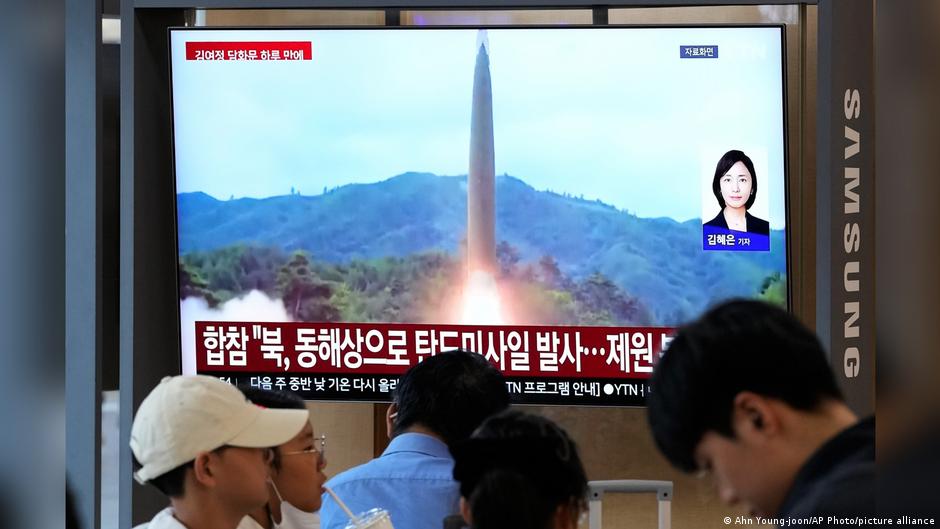
The planning comes as Russia has increased strikes on Kyiv in recent days, with drones and missiles hitting civilian and strategic sites including schools, hospitals and data centers. For Ukraine’s startup ecosystem, which has continued to operate through years of war, the possible movement of diplomatic missions would mark a significant shift in the risk calculus for founders, venture investors, corporate partners and acquirers assessing the country.
Two senior diplomats told the British newspaper that Western countries are developing plans to move their embassies from Ukraine’s capital to Lviv, a western city near the Polish border, or across the border into Poland. One of the diplomats described a rapidly worsening situation.
“Russia plans to freeze Kyiv, throw it back into the Stone Age. The situation is clearly deteriorating quickly,” one diplomat was quoted as saying.
Publicly, Western diplomats continue to say they intend to remain in Kyiv. According to The Guardian, they argue that leaving the capital would hand Moscow a propaganda victory and create the impression that Ukraine had been abandoned. That political concern is also relevant to the private sector: diplomatic presence in Kyiv has become an important signal of institutional confidence, helping sustain international engagement with Ukrainian businesses despite wartime uncertainty.
Why Embassy Moves Matter to Startups and Investors
For venture capital and technology companies, embassies are not merely symbolic. They support investor visits, trade delegations, development finance coordination, visa processing, reconstruction initiatives and security assessments that inform cross-border business decisions. A relocation from Kyiv would not necessarily mean disengagement from Ukraine, but it would likely reinforce the perception that operating conditions in the capital are entering a more dangerous phase.
That could affect startup fundraising in several ways. International venture investors already weigh Ukraine’s talent depth and wartime product execution against infrastructure risk, mobility constraints and geopolitical uncertainty. If embassies begin operating from Lviv or Poland, funds could become more cautious about on-the-ground diligence, board meetings, technical audits and customer visits in Kyiv. Later-stage companies seeking strategic investment or acquisition talks may face longer timelines as counterparties reassess travel, continuity planning and exposure to physical infrastructure disruptions.
The risk is particularly acute for startups dependent on always-on operations, cloud connectivity, data processing and enterprise support. The source report says Russian strikes have hit data centers, adding pressure to technology companies that must assure customers and investors that service continuity can be maintained even under sustained attack. Many Ukrainian firms have already built distributed teams, backup infrastructure and international legal structures, but a campaign targeting power, heating, water and data infrastructure would further test those systems.
Ukrainian President Volodymyr Zelensky told the Financial Times that the Kremlin has intensified air strikes to intimidate civilians, force people to leave cities and weaken the country’s ability to continue the war. He said the main Russian targets are Kyiv, Kharkiv and Odesa. Ukrainian and European security officials familiar with intelligence also said Lviv, a key logistics hub near Poland, is included in Russian plans.
That detail complicates the idea of Lviv as a fully insulated alternative. The city has served as a critical node for aid, logistics, business continuity and international access during the war. It is also close to the European Union border, making it a natural base for companies coordinating with investors, customers and development partners in Poland and elsewhere in Europe. But if Lviv is also viewed as a target, companies and investors may increasingly favor cross-border operating structures that combine Ukrainian teams with legal, financial or infrastructure footholds in EU jurisdictions.
Energy Attacks Could Shape the Next Funding Cycle
The New York Times reported on October 2 that Kyiv had intercepted Russian plans to cut major Ukrainian cities off from electricity, heating and water supplies during the coming winter. According to the report, the intercepted document described three stages of Russian attacks. The first stage would target substations near Ukraine’s western borders that are used to import electricity from Europe. The second would damage hydroelectric power plants. The next step would be to stop all three of Ukraine’s operating nuclear power plants, which form the backbone of the country’s energy system.
For the innovation economy, that scenario would turn infrastructure resilience from a back-office issue into a core investment theme. Startups selling energy management, cybersecurity, distributed systems, drone defense, secure communications, logistics software, dual-use technologies and disaster-resilient cloud services could see heightened strategic relevance. At the same time, companies outside those sectors may face higher costs for backup power, redundant connectivity, employee relocation support and customer assurance.
M&A activity could also be affected. Foreign buyers may demand stronger warranties around business continuity, data security and staffing resilience before acquiring Ukrainian technology assets. Some targets may become more attractive because they have proven they can operate under extreme conditions. Others may see valuations pressured by perceived exposure to urban infrastructure and wartime disruption.
The broader lesson for investors is that Ukraine’s technology sector remains closely tied to the country’s security environment, even as founders have worked to internationalize revenue, relocate portions of teams and diversify infrastructure. Embassy relocation plans, if implemented, would not end Western engagement with Ukraine. But they would send a powerful signal that the operating map is changing again.
For now, Western governments face a delicate balance between protecting personnel and avoiding a political message that Moscow could exploit. Ukrainian startups and their backers face a parallel challenge: continuing to build, raise capital and close deals while planning for a winter in which diplomatic presence, energy infrastructure and urban resilience may all come under renewed pressure.