New EU Biometric System Causes Major Delays, Impacting Airport Operations and Travel Tech Startups
The introduction of the EU's Entry-Exit System (EES) has triggered multi-hour queues at airports, raising concerns about its effects on tech innovation and travel industry investments.
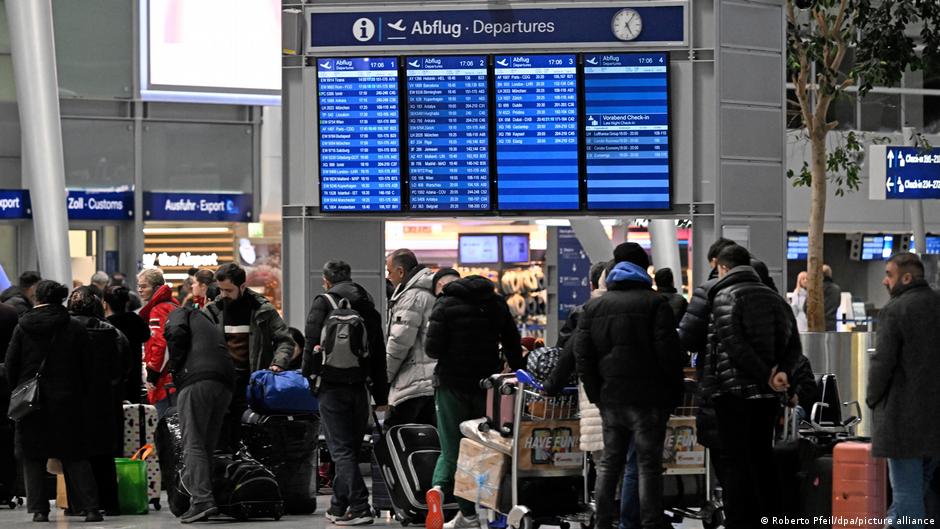
The rollout of the European Union's new biometric identification system, the Entry-Exit System (EES), has led to significant operational disruptions across airports in six EU countries. Since its full implementation on April 10, the system has caused several-hour-long queues in airports in France, Germany, Belgium, Italy, Spain, and Greece, threatening to derail the upcoming summer travel season.
Operational Challenges and Industry Backlash
The Airports Council International (ACI) Europe issued a warning about the growing delays, reporting passengers facing wait times of up to three hours during peak periods. Olivier Jankovec, head of ACI Europe, expressed alarm over the system's performance, emphasizing that without urgent interventions, the summer travel season could face near-collapse.
"Passengers are already enduring wait times of up to three hours during peak hours, a situation that could worsen without immediate action," said Olivier Jankovec of ACI Europe.
Michael O’Leary, CEO of Ryanair, sharply criticized the EES, labeling it "a total disgrace and a shambles," likening the experience to "punishment for Brexit." He urged the European Commission to postpone the system’s full deployment until October, citing instances of four-hour queues at certain airports.
In a stark illustration of the system’s impact, Milan’s Linate Airport saw only 34 out of 156 EasyJet passengers for a Manchester-bound flight clear biometric checks in time, forcing the plane to depart without 122 travelers. EasyJet offered free ticket rescheduling but refused to assume liability for the delays.
Implications for Tech Startups and Venture Capital
The EES replaces manual passport stamping with biometric registration—capturing photographs and fingerprints of third-country nationals entering the Schengen Area. While the European Commission maintains the system is functioning normally, with an average processing time of about 70 seconds per traveler, industry experts dispute this figure, estimating the actual time to be five times longer.
Beyond immediate operational headaches, this situation highlights broader challenges for startups and venture capital investments in the travel tech and border management technology sectors. The EES system, which was gradually phased in beginning in October 2025 by countries like the Czech Republic, Estonia, and Luxembourg, reflects a major push toward automating and digitizing border controls.
However, the current rollout troubles underscore the risks associated with deploying complex biometric infrastructures at scale. Tech startups developing similar biometric and automated identification solutions may face increased scrutiny and regulatory hurdles. Investors might become more cautious, demanding stronger evidence of scalability and reliability before committing funds to such ventures.
Moreover, delays and passenger dissatisfaction could slow adoption rates for biometric technologies in travel and security settings, impacting startup growth and acquisition opportunities in this space. The call by industry stakeholders for the European Commission to allow border authorities to suspend EES during peak delays illustrates the need for flexible system designs that can adapt to real-world operational demands.
The Future of Biometric Systems in Europe
The EES system's full implementation across all 29 Schengen countries as of April 10, 2026, marks a significant step toward biometrics-driven border management. Citizens of EU member states, residents, and diplomats remain exempt from the process, focusing the system’s application on third-country nationals.
As Europe continues to modernize its border infrastructure, the current challenges serve as a critical case study for balancing security, traveler experience, and technological readiness. For startups and venture capitalists focusing on biometric identification and travel tech, the EES situation highlights essential considerations in system design, deployment strategy, and user impact.
Ensuring that innovation does not come at the expense of efficiency and passenger convenience will be paramount for the future success of biometric initiatives and the broader European travel technology ecosystem.