Putin Sees Diplomatic Opening as Zelensky Awaits U.S. Envoys
Renewed talk of Russia-Ukraine peace negotiations is drawing attention from investors and founders tracking regional risk, capital flows and startup recovery prospects.
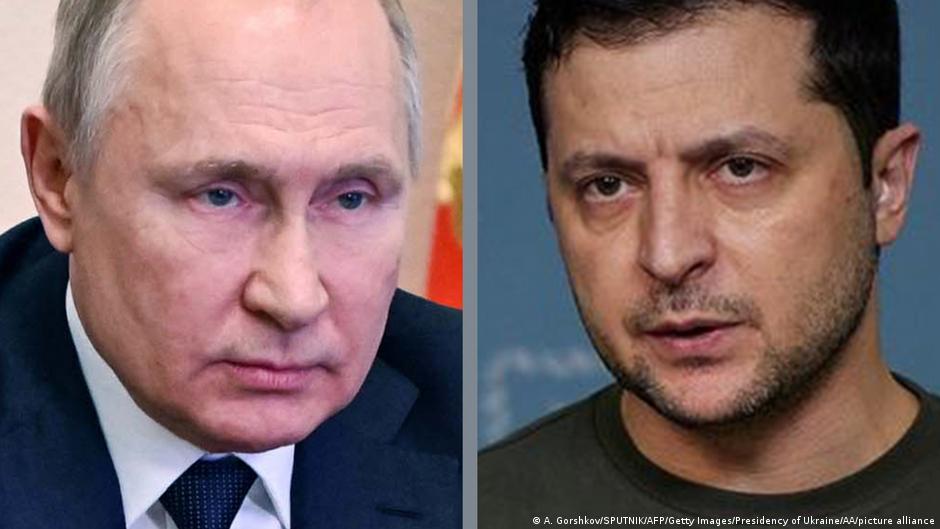
Russian President Vladimir Putin said he believes there are chances to achieve peace in Ukraine through diplomacy, while arguing that Russia and Ukraine themselves must reach any agreement to end the war, with other countries serving in a supporting role. Putin made the remarks on Thursday, September 3, on the sidelines of the Eastern Economic Forum.
For the technology and venture ecosystem, even tentative diplomatic signals matter. Startups, investors and strategic acquirers across Eastern Europe have spent years operating under war-related uncertainty that has shaped hiring, market access, logistics, insurance costs and cross-border financing. Any indication of revived negotiations is likely to be read not only as a geopolitical development, but also as a possible signal for future shifts in risk appetite and capital allocation.
"Russia and Ukraine must first of all come to an agreement between themselves. And all other countries are ready to support and help," Putin said, adding that in his view the chances exist.
Putin also said that contacts between Moscow and Kyiv have been maintained through intelligence channels, though he said he could not assess how much that might contribute to peace. At the same time, he pointed to Ukrainian attacks on transport vessels in the Black Sea and statements from Kyiv about the insecurity of Russian airspace, saying such factors complicate the possibility of bilateral peace talks.
Later the same day, Ukrainian President Volodymyr Zelensky spoke publicly about the prospect of renewed talks with Russia. He said U.S. representatives are expected to visit both Kyiv and Moscow soon and that a possible peace agreement will be discussed during those meetings.
Zelensky, speaking in his nightly video address to Ukrainians, said there are preliminary dates and that Kyiv expects representatives of the U.S. president to arrive in the Ukrainian capital. He added that confirmation had already been received that meetings would take place in both Moscow and Kyiv.
He also said Ukraine remains in constant contact with the American team. A few days earlier, Zelensky reported a phone call with U.S. President Donald Trump’s special envoys, Steven Witkoff and Jared Kushner. During that conversation, Zelensky told the U.S. representatives that Russian battlefield gains were insignificant.
Why the startup market is watching
While no agreement is on the table yet, the re-emergence of public discussion around diplomacy comes at a time when founders and funds are highly sensitive to changes in geopolitical trajectory. In practical terms, prolonged conflict has affected the innovation economy through disrupted operations, founder relocation, currency and sovereign risk, and a narrower pool of growth capital willing to underwrite exposure to the region.
For venture investors, the difference between open-ended conflict and a credible diplomatic process can influence how they model country risk, portfolio support and exit timing. Strategic buyers considering acquisitions of engineering-led startups in Ukraine or nearby markets tend to weigh not just product quality and talent depth, but also operational resilience, legal predictability and the stability of transport and communications networks. Even a modest improvement in expectations can alter boardroom discussions around expansion, hiring and M&A screening.
That does not mean capital would return immediately. Putin’s own comments underscored that active security tensions remain a barrier, and Zelensky’s remarks did not point to an imminent settlement. For investors, the signal is therefore less about near-term normalization and more about whether a structured channel for negotiation is beginning to reappear.
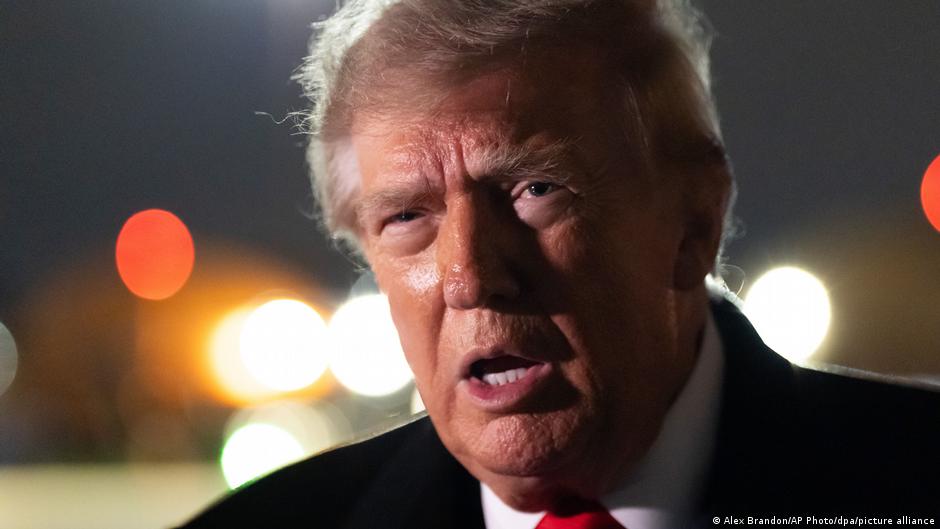
The current round of discussion around possible Russia-Ukraine peace talks intensified shortly after an unannounced visit by CIA Director John Ratcliffe to Moscow in late August. According to Axios, a representative of the Trump administration proposed, among other ideas, a trilateral meeting between the presidents of the United States, Russia and Ukraine to discuss ending the war through diplomacy.
That report briefly raised the prospect of a high-level political event that, if realized, could have served as a major marker for markets. But after the media reports appeared, Trump rejected the idea of holding a trilateral summit in the near term.
Trump said Putin would agree to such a meeting if Trump wanted it, and that Washington could organize a summit immediately, but he added that he wants to hold the meeting when the parties are ready to conclude a peace agreement.
Trump also said that Putin and Zelensky should stop what he called a stupid war, again assigning blame for the continued fighting to both Moscow and Kyiv. He argued that personal hostility between the two leaders is an obstacle to peace in Ukraine, and said the conflict had proved harder than the eight wars he claims to have stopped in less than two years in office, despite his earlier promise to end the war within a day.
For the innovation economy, the message from Washington is mixed but material. On one hand, confirmed meetings in both capitals suggest the U.S. remains directly engaged. On the other, Trump’s refusal to rush into a three-way summit indicates that any diplomatic track may still be conditional, staged and heavily dependent on political timing rather than market urgency.
That leaves startups and investors in a familiar posture: watching politics closely while continuing to operate against an uncertain backdrop. For Ukrainian founders in particular, the outlook for fundraising, talent retention and international partnerships is tied not only to battlefield developments but also to whether diplomatic momentum begins to look durable. Venture firms and acquirers do not need a final peace deal to adjust behavior, but they do need clearer signals that negotiations are moving from public messaging into a more structured process.
For now, the main development is that both Moscow and Kyiv are once again speaking openly about diplomacy, with U.S. envoys expected to shuttle between the two capitals. For founders, funds and corporate dealmakers, that is not resolution. But it is a variable the market will continue to price in.